
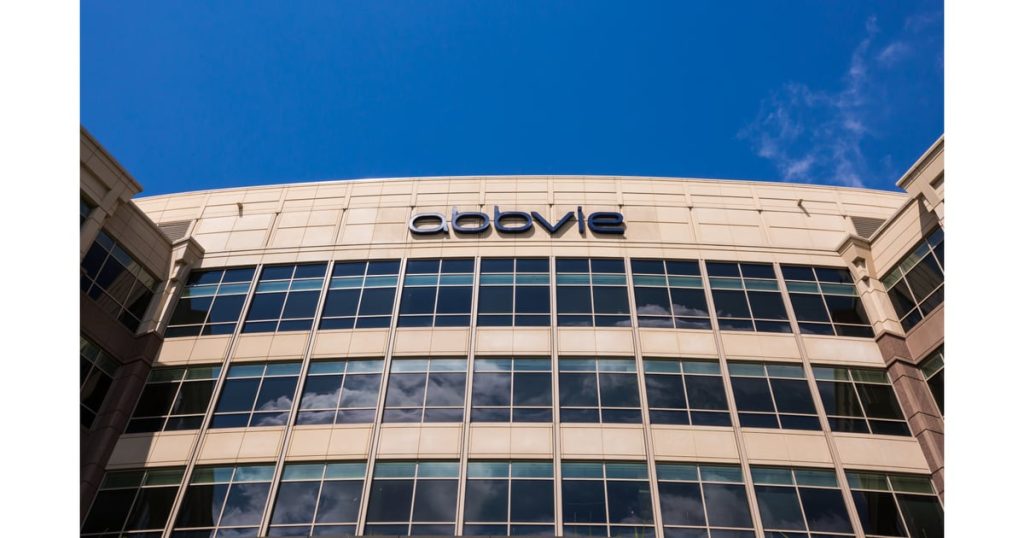
AbbVie has announced plans to invest $1.4 billion in building a pharmaceutical manufacturing campus in Durham, NC, its largest capital investment to date.
The new 185-acre campus will integrate advanced manufacturing and laboratory technologies with artificial intelligence (AI) to support the production of AbbVie’s immunology, neuroscience, and oncology medicines, according to a news release from the global drug maker.
This is AbbVie’s first major investment in North Carolina. The AbbVie Durham campus, located near Research Triangle Park, was selected for the strength of the region’s local workforce and its ability to support future expansion, the biopharmaceutical company added in the news release.
Construction will begin this year, with completion expected by the end of 2028.
“Our investment in North Carolina represents a significant milestone for AbbVie as our largest capital investment to date and an important expansion of our manufacturing footprint into a new region of the United States,” Robert A. Michael, chairman and chief executive officer of AbbVie said.
Over the next four years, AbbVie plans to hire 734 people, including engineers, scientists, manufacturing operators and laboratory technicians. The project will also generate more than 2,000 construction jobs during campus development.
The first phase of construction will include small volume parenteral (SVP) drug product manufacturing facilities, next-generation laboratories, a warehouse, administrative offices, and employee wellness facilities.
Small volume parenterals are sterile injectable pharmaceutical products with volumes typically less than 100 mL, including vials, prefilled cartridges, and prefilled syringes containing medicines for injection or infusion. When completed, this campus will serve as AbbVie’s US center of excellence for SVP manufacturing and deliver medicines to patients in the US and worldwide.
This project is part of the pharmaceutical company’s $100 billion commitment to US research and development (R&D) and capital investments, including manufacturing, over the next decade.
In March, AbbVie announced a $380 million investment to build two new active pharmaceutical ingredient (API) manufacturing facilities at its North Chicago, IL, campus. The facilities will use advanced manufacturing technologies with AI to support the production of neuroscience and obesity medications.
Over the last several months, AbbVie has announced plans to significantly expand its API manufacturing capabilities and capacity in the US. In September 2025, AbbVie broke ground on the first phase of this investment, a new chemical synthesis facility that will enable the return of API production for some neuroscience, immunology, and oncology products from Europe and Asia to the US.
The Skyrizi and Rinvoq maker also announced plans in September 2025 to invest $70 million to expand its biologics R&D and manufacturing facility in Massachusetts.
Like more than a dozen other pharmaceutical manufacturers, AbbVie signed an agreement with the Trump Administration to lower prescription drug prices and invest in research domestically in exchange for a three-year tariff exemption.
As part of the agreement, which AbbVie announced in January, the multinational pharmaceutical company will provide drugs through Medicaid at lower prices under most favored nation status.
Additionally, the drug maker will participate in TrumpRx, the direct-to-consumer platform, expanding its direct-to-patient offerings for medicines including Alphagan, Combigan, Humira, and Synthroid, making them available at significant discounts. The agreement to sell medications on the platform reportedly will allow patients without insurance coverage of the drugs and Medicaid access to rates comparable to other developed countries.
Nearly a dozen other drug companies, including J&J, Amgen, Bristol Myers Squibb, Boehringer Ingelheim, Genentech, Gilead Sciences, GSK, Merck, Novartis, and Sanofi, AstaZeneca, Eli Lilly, Novo Nordisk, and Pfizer have signed agreements to sell some medications at discount prices on the direct-to-consumer platform, over the last several months.