
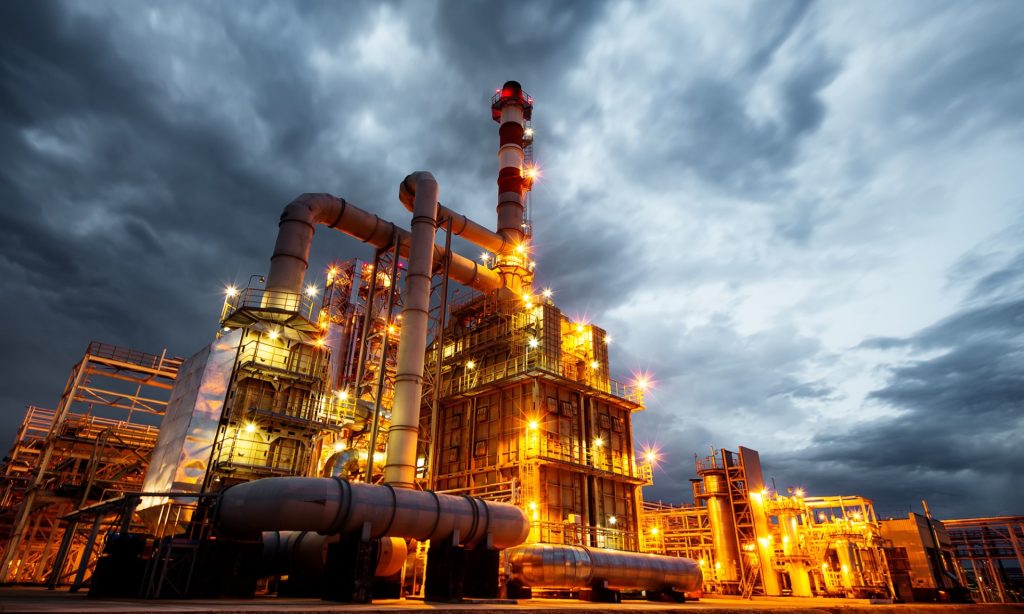
(WO) – A growing share of oil and gas infrastructure across the Gulf is operating beyond its intended design life, raising reliability concerns as regional disruption linked to the Strait of Hormuz places additional strain on facilities.
New research from Integrated Global Services (IGS) found that 46% of operators report up to half of their assets are running beyond design life, while 14% say the majority of their infrastructure falls into that category.
The findings come as shifting production dynamics across Saudi Arabia and the UAE are intensifying operational pressures. Facilities in eastern Saudi Arabia have experienced reduced output and unplanned shutdowns tied to export constraints, while operators in other regions are increasing throughput to offset disruptions—accelerating wear on already aging equipment.
The result is a widening gap between asset condition and operational demands. While 83% of respondents expressed confidence in their infrastructure’s ability to meet future needs, 65% reported significant production or throughput losses due to unplanned downtime.
“With disruptions affecting both export routes and production balance, operators are under pressure not only to maintain reliability, but to optimize performance under very different operating conditions,” said Dennis Snijders, IGS Director for the Middle East and North Africa.
Operators are increasingly using both planned and unplanned shutdowns to reassess asset integrity and extend facility life. More than three-quarters of respondents said investment in asset protection and integrity solutions is viable if payback can be achieved within five years.
At the same time, companies are balancing reliability needs with cost constraints and decarbonization targets, creating added complexity for long-term asset management strategies.
As regional supply disruptions persist, maintaining performance from aging infrastructure is emerging as a critical factor in sustaining Gulf oil and gas output.