
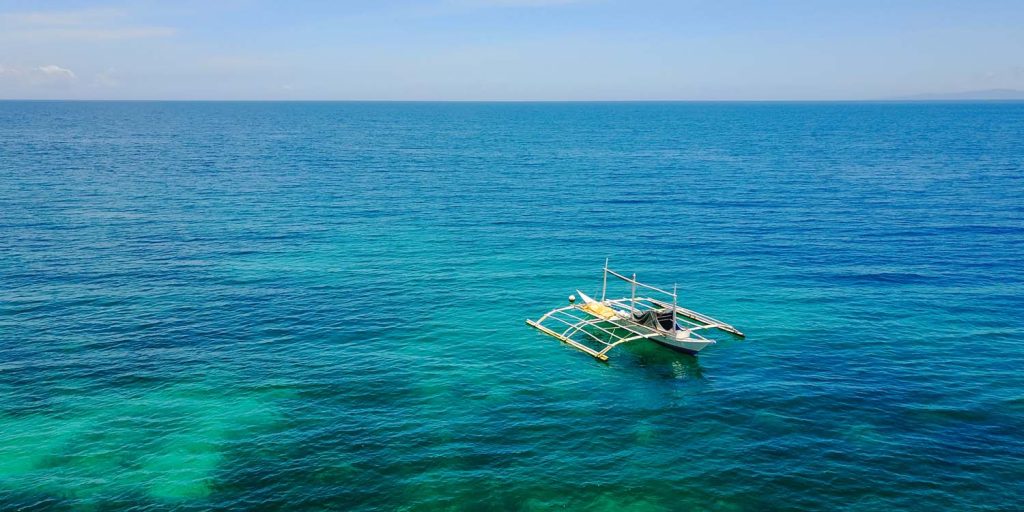
Indonesia is known as a maritime nation, with more than 70 percent of its territory consisting of water. However, the country’s abundant marine biological resources have not yet been optimally utilized to support food security, industry, and sustainable development.
Professor Kustiariyah, a full professor at the Faculty of Fisheries and Marine Sciences (FPIK) at IPB University, emphasized that marine biotechnology can be a key factor in supporting sustainable agromaritime development in Indonesia.
She conveyed this during the IPB University Professor’s Scientific Lecture on Saturday (4/25). On that occasion, she highlighted the strategic role of marine biotechnology amid the target of approximately 7 percent annual growth in the marine and fisheries sector and a 15 percent target by 2045, in line with the Indonesia Emas 2045 vision.
In her presentation, Prof Kustiariyah emphasized the importance of a blue economy approach that integrates economic growth, community welfare, and environmental sustainability. “Biotechnology is capable of transforming marine biological resources into high value added products, such as innovative food, biomaterials, and products supporting the agriculture and fisheries sectors,” she said.
One of the approaches developed is the concept of “blue foods,” which involves the transformation of local foods based on nutrient rich marine resources. Examples include tempeh made from seaweed, spirulina based rice substitutes, and herbal beverages made from algae that have the potential to support community nutritional security.
“This spirulina processing can also be carried out through a fermentation process using lactic acid bacteria to eliminate the fishy odor, making it more acceptable to the public,” she explained.
Furthermore, the development of marine biotechnology is carried out through four main pillars, the transformation of local food, bioprospecting of marine natural resources, the optimization of environmentally friendly production based on biorefineries, and the application of the zero waste principle through a circular economy. The conversion of algae residues into bioethanol and biostimulants is one example of the implementation of this concept.
Nevertheless, the development of this sector still faces various challenges, particularly in the areas of downstream processing, integration, policy, and the conversion of research outcomes into market ready products. In certain production processes, such as the development of marine fungi that produce compounds natural antibiotics require sterile conditions, necessitating collaboration with industry for larger scale production.
To address these challenges, cross sectoral synergy is needed, along with strengthening the role of institutions such as technology transfer offices (TFO) in supporting the commercialization of innovations. Through an integrated approach, marine biotechnology is expected to become a driving force for sustainable agromaritime development in Indonesia. (Ez) (IAAS/FHD)