
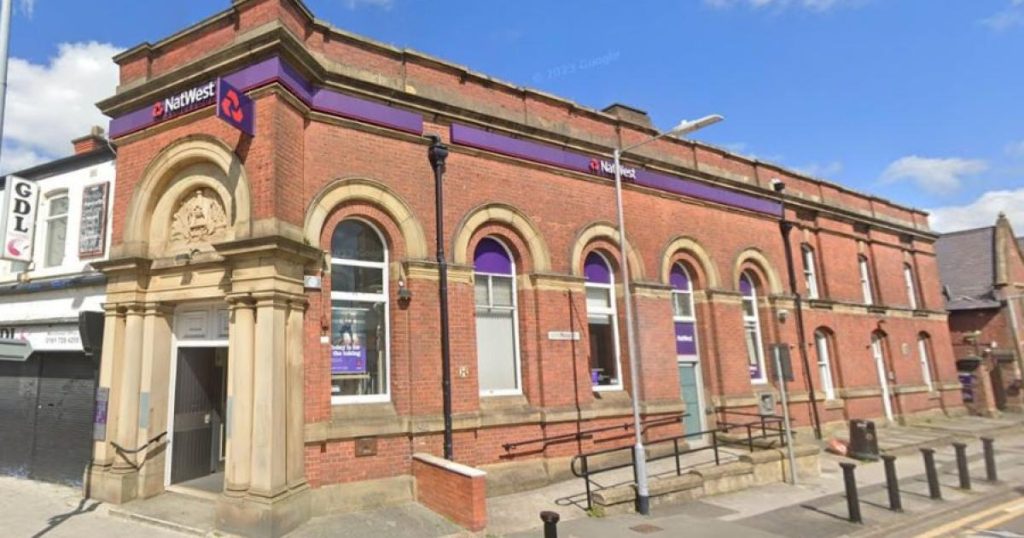
Earlier this year, plans were submitted by applicant Ad Coelum Ltd to transform a section of the building into a seven-bedroom shared house.
The applicant said the change of use of the building would introduce ‘residential accommodation within a predominantly commercial building, supporting a mixed-use environment and ensuring the long-term viable use of a currently vacant property’.
The property includes a basement, ground floor banking hall, and first-floor office accommodation.
Planners at the council have this week turned down the application.
An officer report, published by the council, gave the reasons behind the decision.
It said: “The development, due to the siting and outlook of bedroom one, the small size of the kitchen and dining area and the lack of external amenity space is not capable of providing future residents with high standard of amenity.
“Officers give this very significant weight.”
The report added that ‘insufficient information has been submitted in relation to the heritage and carbon and energy impacts of the proposal’.
The applicant had argued that the plans would make ‘efficient use of a vacant building, provide much-needed residential accommodation in a highly accessible location without adverse impact on the character of the area or neighbouring uses’.
Farnworth, which is Bolton’s second biggest town with a population of around 29,000, saw the closure of the NatWest branch on May 15, 2025.
The nearby Lloyds Bank, the town’s final high street bank outlet, shut its doors permanently less that a fortnight later.
The building, of Victorian origin, has long been admired by many Farnworth residents for its architectural merits.
It first opened as a branch of the Bank of Bolton, designed by architect George Woodhouse in 1877.