

By Moaaz Manzoor
Pakistan’s large-scale manufacturing sector posted a robust 6.48% growth during July–March FY26, driven mainly by automobiles, garments, food, and petroleum products, according to provisional data released by the Pakistan Bureau of Statistics (PBS).
According to PBS, the Quantum Index of Manufacturing (QIM) stood at 123.03 during July–March 2025-26, compared to 115.55 in the same period last year, reflecting a broad-based recovery across several key industrial segments. On a monthly basis, the index reached 124.89 in March 2026, marking an 11.09% year-on-year increase, although it declined 5.19% compared to February 2026.
The growth momentum was led by the automobile sector, which expanded by 61.66% during the nine-month period and contributed 1.50 percentage points to overall manufacturing growth. Food, garments, and petroleum products also made significant contributions, adding 1.79, 1.08, and 0.79 percentage points, respectively.
Among individual products, sugar production recorded an exceptional increase of 384.90% in March 2026 and rose 30.97% during July–March. Automobile production also maintained strong momentum, growing 61.35% in March, indicating sustained recovery in consumer demand. Petroleum products increased 10.92% during July–March 2025-26, while cement output rose 9.13% over the period despite a 6.64% month-on-month decline in March.
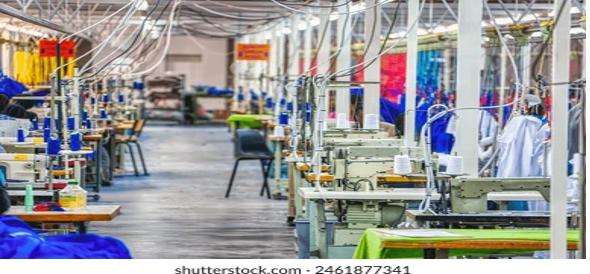
Textile-related segments showed mixed trends. Cotton yarn production increased 1.82% during July–March but declined 1.34% in March, while cotton cloth recorded marginal growth of 0.19% over the nine months. Wearing apparel performed relatively better, rising 6.60% during July–March and 1.79% in March.
However, several sectors continued to drag on overall industrial performance. Fertilizer production declined 1.02% during July–March and fell 7.55% in March. Iron and steel products contracted 6.33% during the period and dropped 11.46% in March, reflecting subdued construction-related demand. Pharmaceutical production also declined 5.14% during the nine months, while chemical products fell 1.44%.
The data further showed that the chemicals sector reduced overall manufacturing growth by 0.11 percentage points, while pharmaceuticals and iron and steel products lowered growth by 0.31 and 0.27 percentage points, respectively.
Other sectors showing notable expansion included electrical equipment, which grew 11.87% during July–March, and furniture, which surged 20.45%, indicating improving activity in select manufacturing segments. Tobacco and beverages also posted healthy gains of 11.70% and 7.69%, respectively.
Despite the overall positive trend, the month-on-month decline in March indicates some volatility in industrial activity, possibly due to seasonal factors or short-term demand adjustments.
The latest PBS data suggests that Pakistan’s large-scale manufacturing sector remains on a recovery path, although growth continues to vary across industries, with consumer-oriented and automobile sectors outperforming heavy industry and input-based manufacturing.
Credit: INP-WealthPk