
KUALA LUMPUR, July 5 — Petaling Street has no shortage of “vibey” bars and restaurants, where tourists come in droves and atmosphere, aesthetic and alcohol tend to take precedence over culinary excellence.
Collectively, these outlets engineer the feeling — no matter how fleeting — that you, too, belong to the trendy, hip crowd, provided you can get with the vibe.
But that doesn’t mean there’s no good eating to be done around these parts.
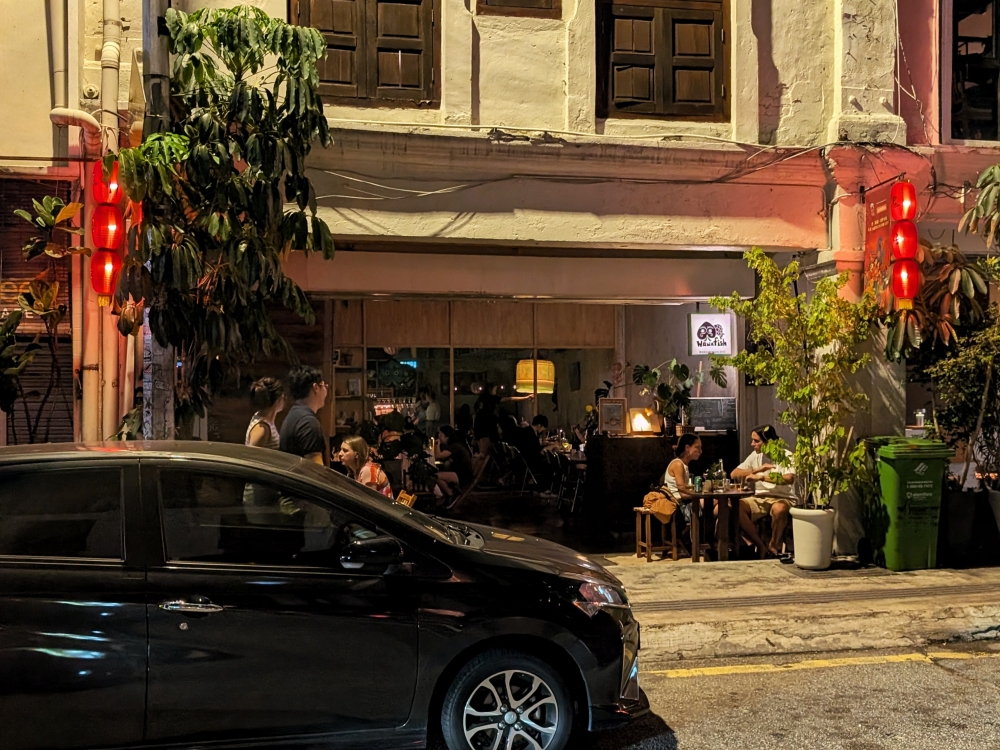
‘Unassuming’ is probably not the first word that comes to mind when describing a bar on Petaling Street, but Wawafish’s tiny sign means it doesn’t quite ‘stand out’ either.
Street food remains a dependable option in some pockets, but every so often, some genuinely good food hides in plain sight among the bars, waiting for the nights you find yourself enticed by a colourful cocktail, or more likely, peer pressure.
At first glance, Wawafish looks indistinguishable from any other dimly-lit bar along the street.
But putting its tiny sign, eclectic interior design and Indonesian psychedelic rock playlist aside, it offers some of the most unique bar bites anywhere on that road.
The owner and his wife hail from China, and the menu revolves around Guizhou cuisine and its distinctly sour-spicy flavour profile — a region best known for being the birthplace of baijiu, specifically Maotai, one of the most expensive types of baijiu; the home of Zunyi, China’s capital of chillies; and the birthplace of Lao Gan Ma chilli oil.
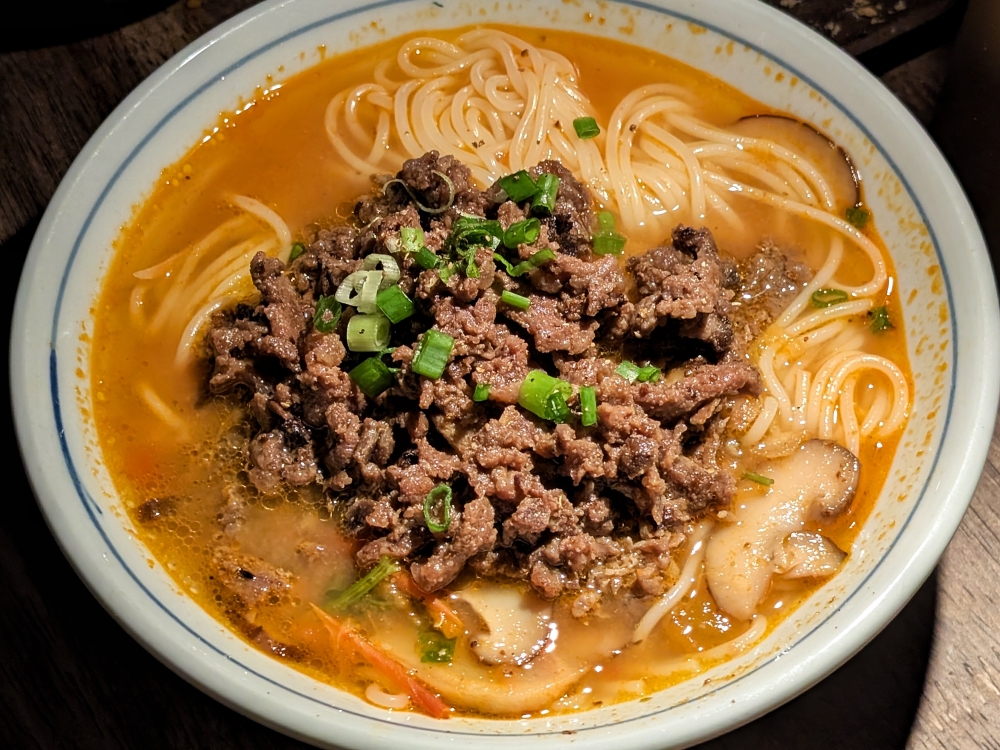
Red sour soup, a classic Guizhou dish, served with rice noodles and topped with beef.
That reputation for heat might bring to mind images of fiery spice and the sweaty stupor that follows, but Guizhou cuisine is really about sour, and using chilli to balance it out.
Emblematic of this is red sour soup, made with fermented tomatoes and chillies and traditionally served with rice noodles.
It’s a dish with roots in the Miao, an umbrella term for several non-Han ethnic minority groups for whom Guizhou is home to some of the largest communities in China.
At Wawafish, the red sour soup rice noodles come topped with beef (RM25), chicken (RM24) or vegetables (RM17).
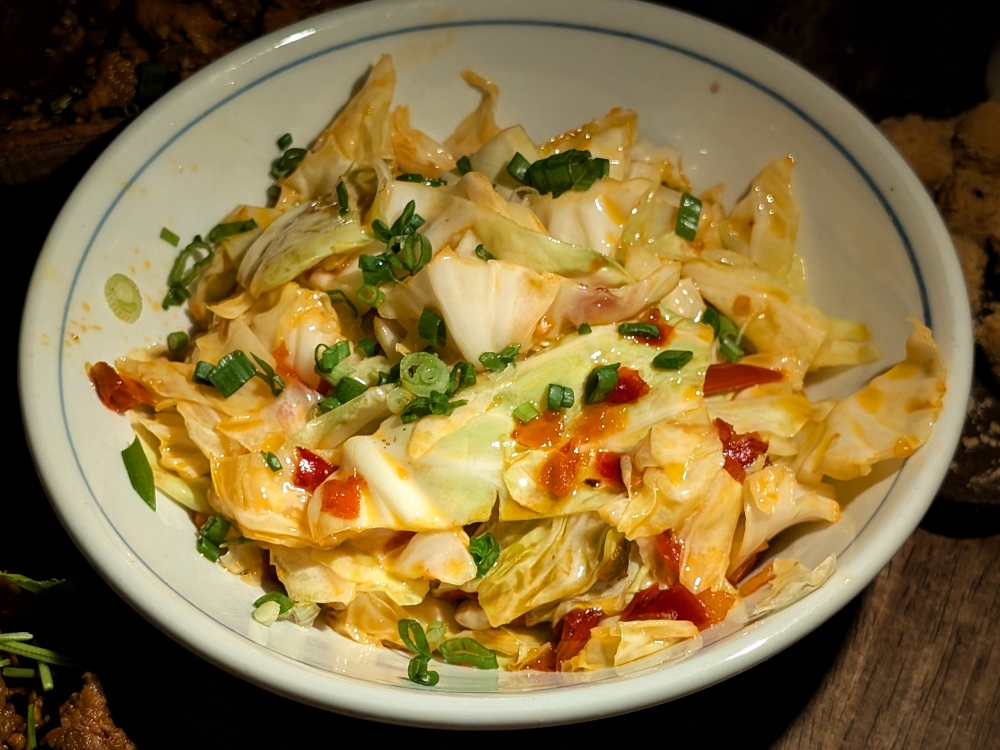
An intensely addictive portion of cabbage fried with fermented chillies.
The broth has a refreshing hint of spice and the distinct tang of tomatoes, but the fermentation process has mellowed out the tartness one might associate with fresh tomatoes.
It’s great for opening up the palate, though I don’t recommend ordering it until you’re ready to end the night.
For one, slurping down soup and noodles doesn’t quite go with any of the drinks on offer at Wawafish, who are proud of their house-made “drip wines”, which are really just batch-made clarified cocktails sold by the bottle with a clever name.
And if you’re unfortunate enough to be seated at a low table with chairs too high for it, as I was, you’ll spend the entire time hunched over like Quasimodo — if he ate Guizhou sour and spicy noodles.
For something far lighter and not quite as tangy, rice noodles with lu shui broth are also offered, with the same three toppings.
Lu shui, or master stock, is found all over China, though most Malaysians will know it best from Teochew cuisine, in braised duck or pork made with a variant of the stock.
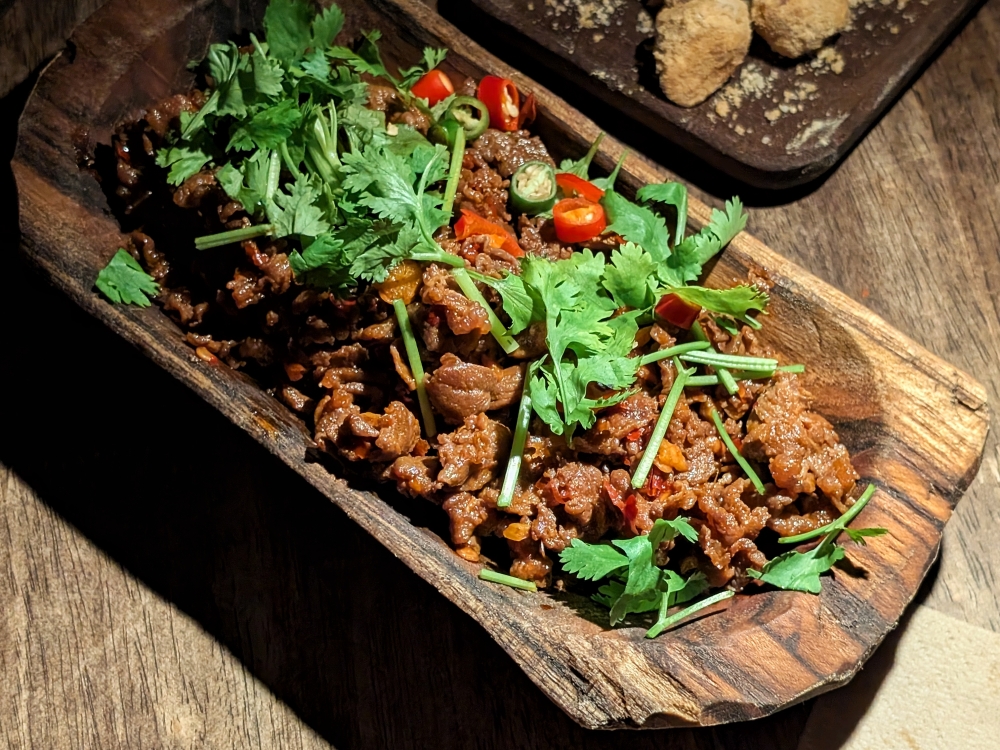
Mountain-style chilli beef uses the ‘ciba la jiao’ paste, one of Guizhou’s staple ways of preparing chillies.
Lu shui fen, or just lu fen, is a Guizhou speciality.
It’s a simple combination of rice noodles and a stock fortified with spices like star anise and cinnamon, though the Guizhou version tends to be much lighter than the Teochew style we’re accustomed to here.
The best bites at Wawafish come from the Guizhou snacks section of the menu, and they all go swimmingly with an ice-cold beer — which, thankfully, Wawafish also sells.
The fermented chilli fried cabbage (RM20) is incredibly addictive, the spice and acidity hacking your brain into releasing bouts of dopamine after every piece of crisp cabbage.
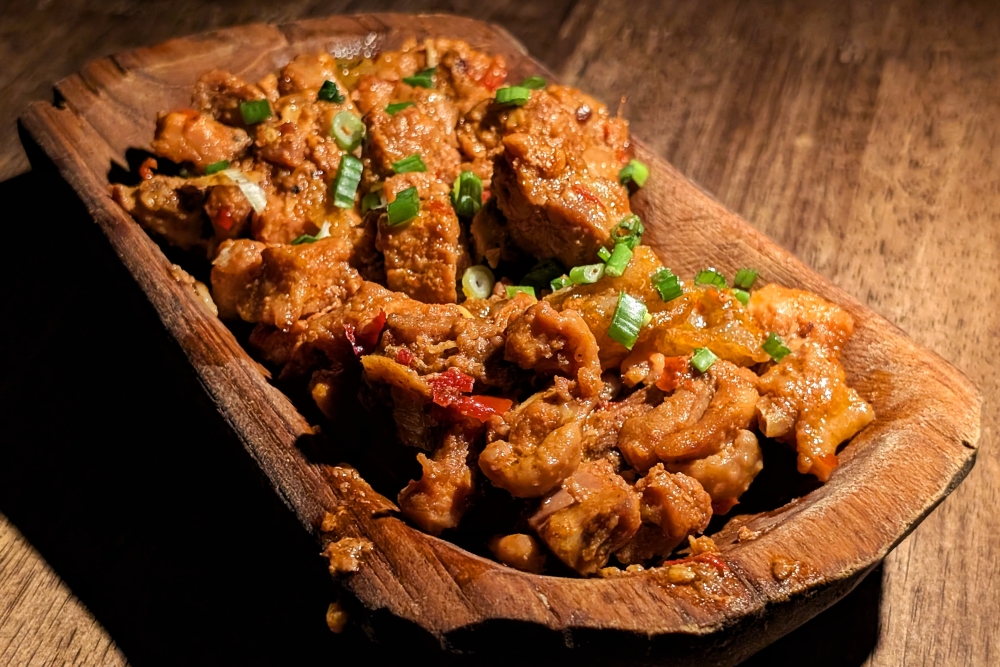
The Guizhou traditional chilli chicken (RM32) makes use of one of three main ways Guizhou treats chilli: ciba la jiao, which roughly translates to “sticky-rice chilli paste.”
No glutinous rice is actually used, but the chillies are pounded into a paste thick enough to warrant the comparison, and it’s an essential ingredient in Guizhou-style la zi ji.
The Sichuan variant is the best-known version of this dish, where finding the crispy popcorn bits of chicken amid a mountain of dry-roasted chillies is like finding a needle in a haystack.
Guizhou’s version is wet, thanks to the ciba la jiao, and Wawafish’s rendition carries a great deal of savoury depth and aroma instead of the numbing sensation you get from the Sichuan style.
Rather than crispy popcorn chicken, it features moist, tender pieces of chicken, with a few cubes of konjac jelly thrown in for added texture.
The same ciba la jiao paste turns up again in the mountain-style chilli beef (RM35), rounded out with a generous handful of coriander to cut through the chilli-laden depth.
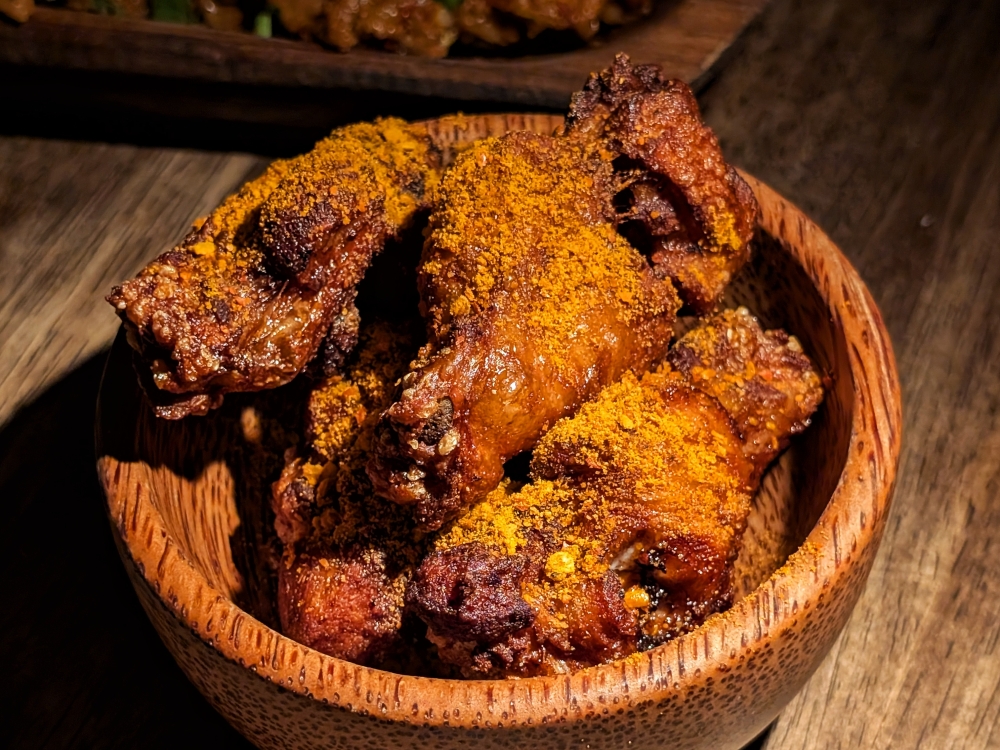
The fried drummettes are covered with a mystery powder that keeps you going back in for more .
But no bar food can be taken seriously without considering fried chicken wings, and Wawafish’s spiced drumettes (RM22) are simply awesome.
Fried to crispy, juicy perfection, each drumette is dusted with a delicious mystery powder — the flavour is slightly reminiscent of the proprietary seasoning often used for shao kao (grilled skewers), though with a lot less cumin.
Craving something sweet after all that chilli?
The taro sticky rice dumplings (RM12) are one of the few options, and they’re surprisingly crispy on the outside, dusted with what looks, smells and tastes a lot like kinako, toasted soybean powder.
Think of it as a much, much less refined version of warabi mochi.
It would be easy to write Wawafish off as just another stop on the Petaling Street bar crawl, propped up by mood lighting and a funky playlist.
But that’s precisely what makes it worth pointing out: the food doesn’t need any of that to hold up.
Long after the “drip wines” are forgotten, it’s the ciba la jiao with chicken and the fermented chilli cabbage that left a lasting impression.
Wawafish
137, Jalan Petaling,
Kuala Lumpur.
Open daily, 11am-2am. Open till 3am on Friday and Saturday.
Tel: 010-899 6213
Instagram: @wawafishkl
This is an independent review where the writer paid for the meal.
*Follow us on Instagram @eatdrinkmm for more food gems.
*Follow Ethan Lau on Instagram @eatenlau for more musings on food and occasionally self-deprecating humour.