
Published on
May 31, 2026

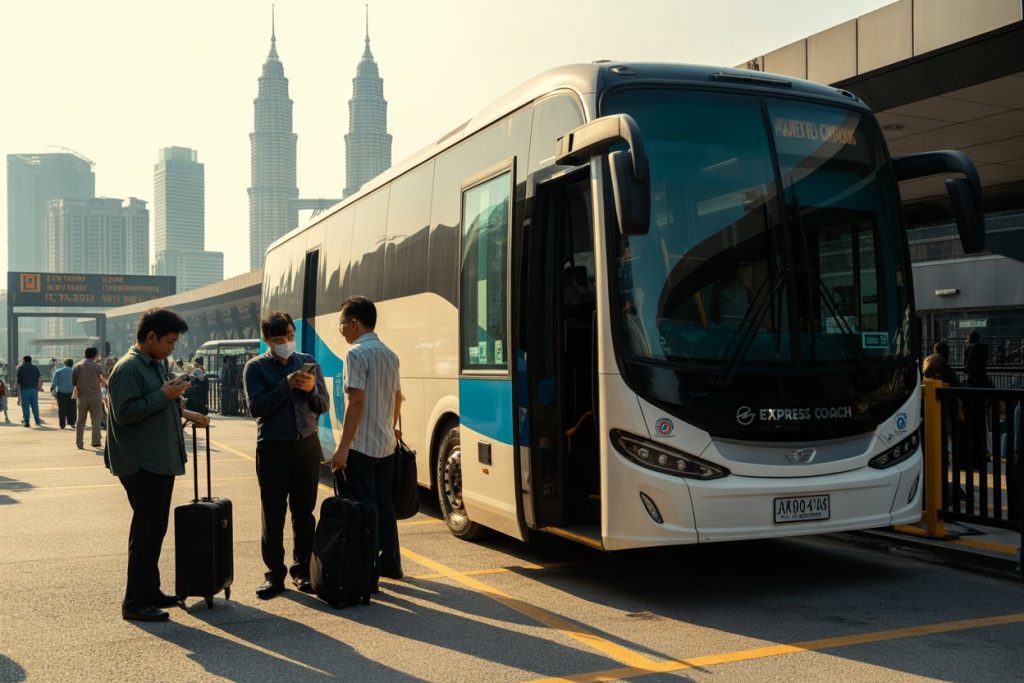
Image generated with Ai
Malaysia’s road transport and tourism ecosystem has hit a significant inflection point as a high‑profile express coach operator announced its withdrawal from Kuala Lumpur, affecting travellers, tourism accessibility and transport competition. The premium provider, known for connecting Kuala Lumpur with key regional destinations, is ending its long‑standing presence in the city — a move that has sparked industry debate over safety, compliance, market fairness and tourism mobility.
The withdrawal follows a directive that the company could only operate from officially licensed bus terminals, effectively ending its use of city centre pick‑up and drop‑off locations that were highly popular with free independent travellers and tourists alike. This development has raised serious questions about how Malaysia balances transport regulations and tourism sector needs, especially during a critical period of international travel growth.
What Triggered the Exit: Safety Rules and Terminal Licensing
On 13 May 2026, regulators mandated that long‑distance express coaches must operate solely from designated licensed terminals — a policy designed to improve safety compliance and streamline transport operations. Under this directive, the operator had to choose between moving to licensed sites such as 1 Utama, LaLaport Bukit Bintang City Centre and IOI City Mall, or cease Kuala Lumpur operations entirely.
According to official statements made by the company, relocating to the closest licensed terminal — LaLaport — presented commercial fee structures that would dramatically increase operational costs, forcing the provider to absorb added charges or pass them onto passengers. Citing its longstanding “value for money” principle, the operator chose to exit the Kuala Lumpur market altogether rather than compromise its pricing or service model.
This regulatory action underscores a growing prioritisation of safety and compliance standards within Malaysia’s transport infrastructure policy, even as industry stakeholders express concern about its practical impact on traveller accessibility.
Tourism Bodies Urge Balanced Approach to Transport Access
In response to the coach exit, the Malaysian Inbound Tourism Association (MITA) issued a statement urging a balanced approach that safeguards traveller safety while maintaining transport access and market competition. MITA highlighted the critical role that long‑distance coach services play in serving both international and domestic tourists, particularly the growing number of Free Independent Travellers (FITs) who prioritise affordable, convenient transport options.
Advertisement
Advertisement
MITA emphasised that other long‑distance and cross‑border coach operators continue to serve Kuala Lumpur with a wide range of fare structures, from low‑cost to premium offerings, thereby offering choice and fostering healthy competition. This diversity in services, the association argued, is vital for price rationalisation, service innovation and consumer choice, especially in a competitive regional travel market.
The association also stated that operators should consider using multiple approved operating locations — including major express bus terminals like Terminal Bersepadu Selatan (TBS) and Terminal Bersepadu Gombak — to preserve service coverage for travellers and tourism stakeholders.
Advertisement
Advertisement
Impact on Travellers and Tourism Connectivity
For travellers who have come to rely on premium express coach services for seamless intercity and cross‑border journeys, the move marks a significant shift in mobility options. Riders valued in‑city boarding and drop‑off points such as Corus KLCC and the TRX area for their centrality and ease of access to hotels, attractions and transport links. With these stops now unavailable, passengers may face longer travel times and the additional complexity of reaching licensed terminals located further from core urban hubs.
This affects tourists arriving from Singapore, Penang and other major cities, who often choose coach travel for its affordability and convenience. The withdrawal may also ripple into allied sectors, including retail, hospitality and tour services, which benefited from the footfall generated by coach passengers.
While safety and compliance remain non‑negotiable, industry groups warn that overly restrictive terminal requirements could reduce transport choice, hinder competitive pricing, and dampen the overall attractiveness of Malaysia’s tourism offerings.
Regulatory Intent: Safety, Compliance and Market Structure
Malaysia’s transport authorities have made clear that the decision to restrict operations to licensed terminals stems from a broader policy intent to enhance passenger safety, streamline public transport facilities, and eliminate roadside and unregulated boarding points. Licensed terminals are equipped with proper waiting areas, safety infrastructure, ticketing systems and customer service facilities, all designed to improve the travel experience.
Advertisement
Advertisement
These objectives align with ongoing national efforts to strengthen transport integrity and align Malaysia with international tourism and mobility standards. Yet, the regulatory shift also highlights how policy enforcement can have unintended consequences, especially when operator cost structures and traveller expectations are not fully addressed.
Industry Calls for Dialogue and Sustainable Solutions
In light of the exit, multiple tourism and transport stakeholders are calling for enhanced dialogue between the private sector and public regulators. The aim is to develop solutions that sustain safety and compliance without sacrificing tourism connectivity or burdening travellers with disproportionate costs.
MITA’s appeal for better coordination between operators and terminal authorities emphasises the importance of a collaborative approach — one that could lead to negotiated fee structures, flexible terminal usage plans, and shared investments in traveller convenience facilities. Such cooperation, the association believes, would benefit passengers and align with Malaysia’s ambition to be a premier tourism destination in Southeast Asia.
What This Means for Malaysia’s Travel Industry
The departure of a flagship express coach service from Kuala Lumpur sends a powerful signal about the evolving intersection of transport policy, tourism demand and market dynamics in Malaysia. As the industry recovers from pandemic disruptions and seeks to capture growing traveller segments, access to safe, efficient and affordable transport options remains essential.
For travellers, this means adapting to new boarding points and potentially reassessing travel plans. For tourism planners and policymakers, it emphasises the need to balance regulation with accessibility, ensuring that safety imperatives do not inadvertently weaken Malaysia’s competitive edge in regional tourism. Ultimately, Malaysia’s ability to reconcile regulatory goals with traveller expectations will play a key role in shaping the future of its landscape as an accessible and dynamic tourism hub.
Advertisement
Advertisement
