
Published on
June 11, 2026

Image generated with Ai
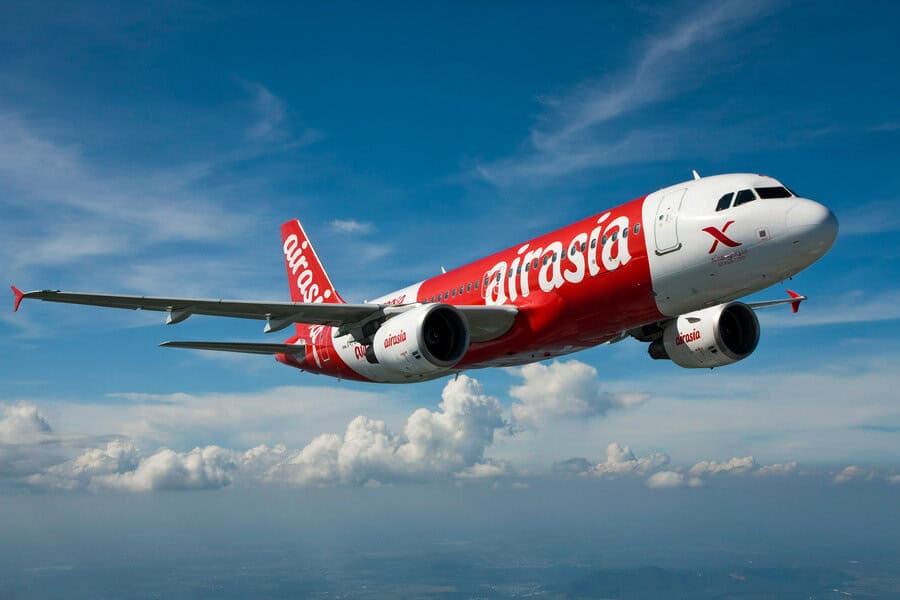
AirAsia X has postponed its Bahrain route and Kuala Lumpur to London flights due to escalating tensions in the Gulf, a move driven by safety concerns and operational uncertainties caused by the volatile regional environment. The airline had originally planned to launch in June, aiming to provide seamless long-haul connections for travelers between Southeast Asia and Europe via Bahrain. However, rising geopolitical risks, potential airspace restrictions, and unpredictable market conditions have forced the carrier to delay operations to August or September. This cautious approach ensures passenger safety, allows careful route planning, and gives the airline time to adjust schedules, crew rotations, and operational strategies in line with evolving conditions, demonstrating how political instability can directly impact airline expansion and international travel plans.
The Malaysian long-haul low-cost carrier had originally planned to begin services in June, linking Kuala Lumpur to Bahrain and onward to London Gatwick. Now, the airline expects the service to kick off in August or September, depending on prevailing market and regional conditions. This postponement not only highlights AirAsia X’s cautious approach but also underscores how geopolitical instability can disrupt airline expansion and long-haul flight operations.
Why Middle East Tensions Are Affecting AirAsia X
The Middle East has long been a critical hub for international aviation, offering essential transit routes for flights connecting Asia, Europe, and beyond. Rising political instability and regional tensions have made it increasingly difficult for airlines to maintain predictable schedules. For AirAsia X, operating a Kuala Lumpur–Bahrain–London service involves navigating sensitive airspaces that may be subject to sudden restrictions or closures. Delaying the route allows the airline to monitor the situation closely, ensure passenger safety, and make informed operational decisions.
In recent months, multiple carriers have had to rethink long-haul operations that pass through the Gulf, reflecting a larger trend in which geopolitical dynamics directly influence route planning, scheduling, and aircraft deployment strategies. AirAsia X’s postponement aligns with this cautious but necessary approach.
Operational Complexities in Launching a New Route
Launching a new international route is far from straightforward. Airlines must coordinate aircraft availability, crew assignments, airport slots, fuel logistics, and compliance with local aviation regulations. Any disruption—whether political, environmental, or economic—can ripple across all these elements. In the case of AirAsia X, crew rotations and aircraft deployment for the Bahrain route had already been scheduled, but rising regional tensions necessitated a reassessment.
By delaying the launch, the airline avoids potential disruptions that could cause flight cancellations or safety issues. Low-cost long-haul carriers, in particular, are highly sensitive to such operational risks because unplanned rerouting or delays can affect profitability, brand reputation, and customer trust. Ensuring all logistics align with current conditions allows AirAsia X to protect its passengers and maintain service reliability.
Advertisement
Advertisement
Market and Demand Considerations
AirAsia X’s Kuala Lumpur–London Gatwick connection via Bahrain is strategically designed to cater to travelers seeking convenient long-haul options at competitive fares. However, market conditions, such as fuel prices, passenger demand, and competitor activities, play a critical role in determining the route’s viability. By postponing the launch, AirAsia X gains valuable time to assess passenger interest, optimise pricing strategies, and ensure that anticipated load factors will make the operation sustainable.
The airline must also consider seasonal demand fluctuations. With summer travel peaks approaching in Europe, the timing of a launch is crucial. A premature rollout could result in low passenger loads or logistical headaches, whereas a carefully timed August or September launch can maximise revenue while navigating safer airspace corridors.
Safety and Airspace Challenges
Operating flights through politically sensitive regions comes with inherent risks. AirAsia X must account for potential airspace restrictions, route diversions, and security threats. These challenges can increase flight durations, fuel consumption, and operational costs. The decision to delay the Bahrain route reflects the airline’s commitment to prioritising safety over speed of expansion.
Passengers benefit from such prudence, as the airline avoids placing aircraft and crews in unpredictable conditions. AirAsia X’s delay demonstrates that even low-cost carriers understand the importance of safety in planning long-haul services, particularly in regions where geopolitical uncertainty can lead to sudden airspace changes.
Regional Aviation Landscape
The postponement of AirAsia X’s Bahrain route mirrors a wider trend affecting airlines across the Gulf and the Middle East. Several carriers have been forced to rethink frequencies, suspend flights temporarily, or find alternative routing strategies. This regional instability has implications not just for passengers but for airlines’ operational planning, fleet utilisation, and revenue forecasts.
For travellers, this can mean fewer direct connections and potentially longer travel times, as airlines reroute flights or delay new routes until the situation stabilises. AirAsia X’s decision demonstrates an adaptive approach, balancing ambitious expansion with operational prudence in a turbulent market.
Advertisement
Advertisement
Implications for Kuala Lumpur to London Passengers
Travelers planning trips on the Kuala Lumpur–Bahrain–London route will need to adjust their plans. Those with early bookings may be offered alternatives or rescheduled flights once the service launch is confirmed. AirAsia X has emphasised that its customer service channels remain fully available to assist passengers with adjustments, rebookings, and queries.
This proactive communication ensures that passengers remain informed and can make decisions that suit their travel needs. It also reinforces the airline’s dedication to maintaining trust and reliability, even in the face of disruptions beyond its control.
Strategic Impact on AirAsia X
From a business perspective, the delay in Bahrain services reflects a calculated approach to risk management. AirAsia X must weigh the potential growth opportunities against operational hazards. By deferring the launch, the airline safeguards financial resources, protects brand reputation, and positions itself to capitalise on long-haul demand once regional conditions improve.
This approach is particularly important for low-cost long-haul carriers, which operate on thinner margins compared to full-service airlines. A failed or disrupted launch could have significant financial implications, whereas a carefully timed rollout maximises the chance of success and operational efficiency.
Lessons from the Postponement
The Bahrain route delay offers insights into how geopolitical tensions can directly impact airline operations. It highlights the importance of flexibility, safety-first planning, and strategic patience in route expansion. Airlines navigating volatile regions must continuously assess risks, monitor market conditions, and be ready to adjust operations in response to political developments.
For AirAsia X, this experience will inform future planning not just for Middle East routes but for any long-haul network expansion that intersects with politically sensitive areas. Strategic decision-making, combined with robust contingency planning, ensures the airline can continue to grow sustainably despite external uncertainties.
Advertisement
Advertisement
Looking Ahead: Potential Launch in August or September
AirAsia X has indicated that it aims to commence the Kuala Lumpur–Bahrain–London service in August or September, provided the market and regional conditions are favourable. This projected timeline gives the airline flexibility to reassess airspace safety, passenger demand, and competitive pressures.
The Bahrain–London corridor remains strategically important, offering Southeast Asian travelers a convenient gateway to Europe. AirAsia X is poised to provide affordable and efficient long-haul travel once stability is restored, ensuring passengers can access these connections without compromising safety or service quality.
Broader Implications for Aviation in the Gulf
AirAsia X’s route postponement is part of a larger story affecting the Gulf’s aviation network. Political tensions, security concerns, and regulatory changes in the region have forced airlines worldwide to reconsider schedules and plan for contingencies. For passengers, this means staying alert to potential delays, route adjustments, and airline advisories.
For airlines, the situation underscores the necessity of incorporating geopolitical risk assessments into strategic planning. Flexibility, proactive communication, and safety considerations are essential to maintaining passenger confidence and operational sustainability.
The postponement of AirAsia X’s Bahrain route highlights the intricate relationship between geopolitics and airline operations. While the Kuala Lumpur–Bahrain–London service was initially scheduled for June, the airline’s decision to defer until August or September reflects a careful evaluation of regional tensions, market demand, and operational risks. Passengers can expect updates from the airline as conditions stabilise, ensuring that safety, reliability, and strategic planning remain at the forefront of long-haul travel in this region.
AirAsia X has postponed its Bahrain route and Kuala Lumpur to London flights due to rising Gulf tensions, prioritising passenger safety and adjusting operations amid regional instability.
This situation illustrates the broader challenges facing carriers in volatile regions, emphasizing the importance of adaptability, proactive decision-making, and strategic patience. AirAsia X remains committed to providing affordable long-haul travel while navigating a complex and rapidly changing aviation landscape, ensuring that when the route finally launches, passengers will benefit from a safe, seamless, and reliable journey.

Advertisement
Advertisement
