
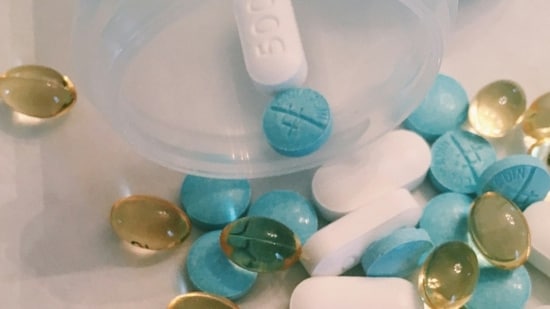
As over-the-counter (OTC) drug use climbs, a doctor is issuing a stark warning: your quest for quick relief from a headache or cold might be taxing your body’s most vital filter beyond its breaking point. Also read | World Liver Day 2026: From sleeping on time to eating more Omega 3 foods, doctor shares 5 habits to prevent fatty liver

In an interview with HT Lifestyle highlighting the hidden mechanics of drug metabolism, Dr Puneet Singla, a liver transplant surgeon at QRG Delhi, warned that the convenience of modern pharmacy access has a dangerous flip side. He shared, “Self-medication, taking medicines without a doctor’s advice, has become increasingly common. While this may seem harmless, it can have serious consequences for your liver.”
A filter under pressure
The liver serves as the body’s primary chemical processing plant. When that plant is forced to handle unverified or excessive inputs, the ‘machinery’ begins to fail. “The liver plays a vital role in the body. It processes everything you consume, including medicines, and helps break down and remove toxins. In many ways, it acts as the body’s natural filter,” Dr Singla explained.
However, this filter is not invincible. Dr Singla highlighted three specific ways the liver becomes overwhelmed:
⦿ Incorrect dosing: Taking more than the recommended amount.
⦿ High frequency: Using drugs too often without allowing the liver recovery time.
⦿ Unsafe combinations: Mixing chemicals that clash during metabolism.
“When this happens, the liver’s ability to process drugs slows down, causing harmful substances to build up in the body,” Dr Singla said, adding, “Over time, this can lead to toxicity and increase the risk of serious health complications.“
The dangers of ‘safe’ painkillers
Perhaps most surprising to the public is the risk associated with common household staples like paracetamol and ibuprofen. Dr Singla identified drug-induced liver injury (DILI) as a primary threat, noting that it can range from mild inflammation to total liver failure. “Painkillers are among the most commonly misused medications,” Dr Singla said.
“Drugs like paracetamol (acetaminophen), often considered safe, can be dangerous when taken in excess. Even unintentionally consuming multiple medicines that contain the same ingredient can increase the risk of overdose,” he added.
He also pointed to the dangerous synergy between common anti-inflammatories and lifestyle habits: “Frequent use of non-steroidal anti-inflammatory drugs (NSAIDs), such as ibuprofen, can harm the liver — especially when combined with alcohol.” Also read | Don’t drink alcohol? Gastroentrologist shares liver can still be at risk: ‘Across urban India new pattern emerging…’
The ‘natural’ fallacy and delayed diagnosis
The warning extends beyond the pharmacy aisle to the wellness industry. Many patients mistakenly equate ‘herbal’ with ‘risk-free’, a misconception that often leads to silent damage. “Herbal and ‘natural’ remedies are often assumed to be safe, but this is not always the case,” Dr Singla cautioned. He added, “Some supplements can cause liver damage or interact negatively with other medications. Since these products are often used without medical supervision, the risks can go unnoticed.”
Furthermore, self-treatment of symptoms can mask underlying issues. “Self-medication can also delay proper diagnosis. Treating symptoms without understanding the underlying cause may lead to worsening of the condition. By the time medical help is sought, the liver may already be significantly affected,” he shared.
A surgeon’s prescription for liver health
To safeguard long-term liver health, Dr Singla advocated for a disciplined approach to medication: strictly adhere to recommended dosages, avoid mixing drugs — such as combining cold remedies with painkillers — without professional advice, and exercise extreme caution with the long-term use of over-the-counter products. He further said that patients should always consult a healthcare professional before starting ‘natural’ or herbal supplements, as these can carry hidden toxicities that silently overwhelm the liver’s metabolic capacity.
“Your liver works silently to protect you, but it has its limits,” Dr Singla concluded, adding, “Taking a little extra care today can help prevent serious health problems tomorrow.“
Note to readers: This article is for informational purposes only and not a substitute for professional medical advice. Always seek the advice of your doctor with any questions about a medical condition.