
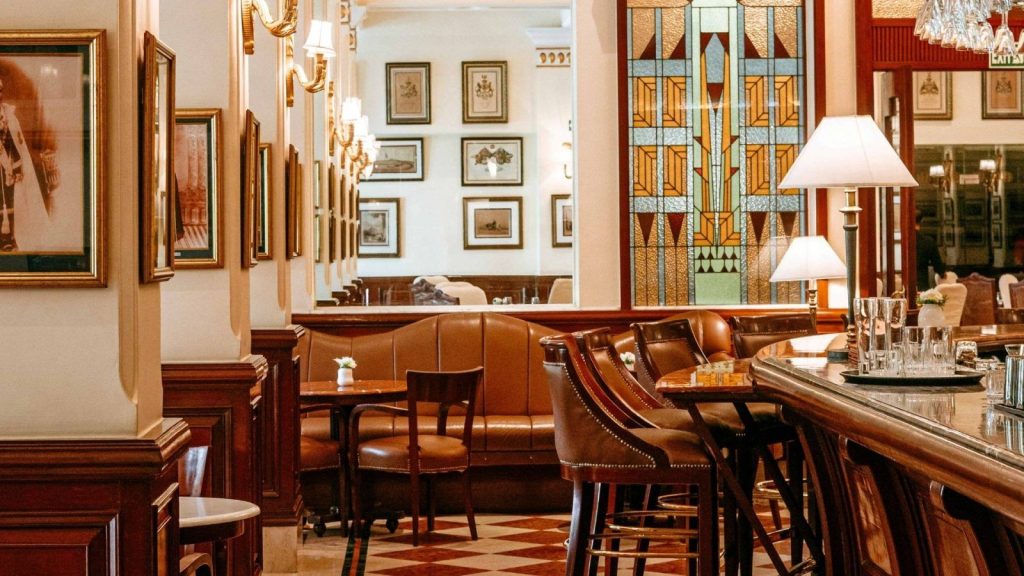

There is a distinct moment when you cross the threshold of 1911 Bar at The Imperial New Delhi, where the chaotic buzz of the modern capital fades away. It is replaced by the classic, golden-lit energy of a Bar Américaine straight out of a jazz-age dream. Framed by plush Montana leather seating, a striking lozenge-shaped marble counter, and original wall lithographs, the space feels like a portal to the opulent days of “The Great Indian Gatsby.”
It is fitting, then, that the bar’s cocktail menu draws its inspiration not only from a particular spirit or ingredient, but from the vessels that have defined cocktail culture across generations. Each serve is conceived around the silhouette that will carry it, the way that shape frames aroma, and choreographs the first sip. It’s a move away from trend‑led lists and seasonal gimmicks, grounding the menu instead in a deeper appreciation for history, design, and the theatre of presentation.
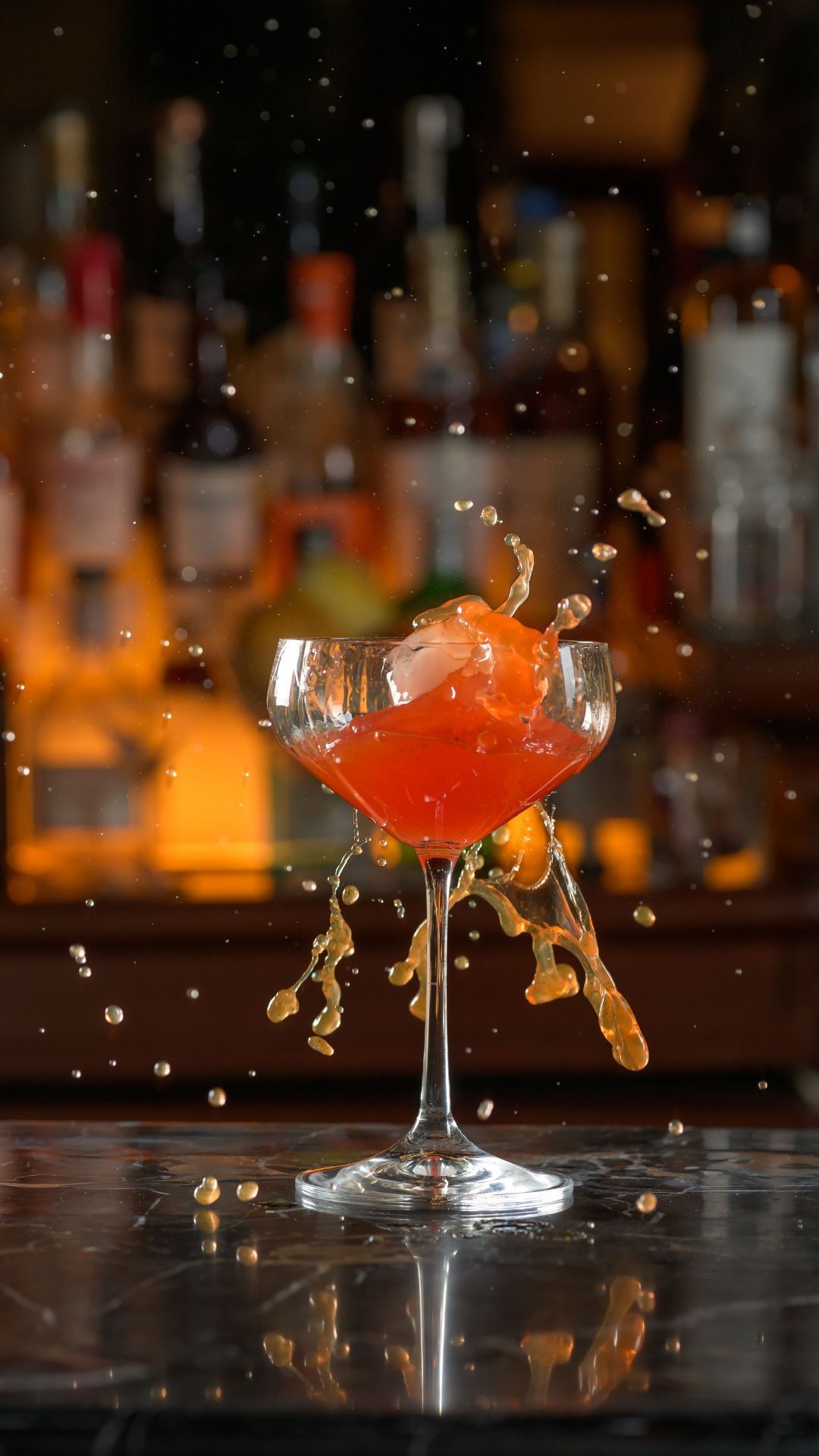
The menu reads like a catalogue of cocktail history. The Eugene cocktail glass, with its elongated bowl and poised rim, dresses drinks in ceremonial restraint. The Coupe, a timeless curve that has survived centuries of social change, lends a soft, old‑world glamour to sparkling and stirred serves alike. Sip on a botanically forward blend from the distinguished Martini Classic, and you’re instantly transported to the smoke-filled 1920s lounges frequented by the likes of Ian Fleming and Ernest Hemingway.
Opt for a classic spirit paired with a house mixer, and it arrives in the tall, straight-sided Ellora Highball, standing as a sleek symbol of Gilded Age refinement. Whisky-forward serves find a home in the Old‑Fashioned, also called a rocks or lowball glass, tracing back to its roots in 18th and 19th-century England. The Rosemary glass adds mid-century allure with its rounded silhouette, while the Windsor cocktail tumbler reflects a classic British shift toward elegance through simplicity, ideal for slow, leisurely sips on refreshing cocktails. The Hayami stem brings classic Japanese minimalistic sensibilities to the programme, perfect for delicate, nuanced pours.
Echoes Of A Grand Past
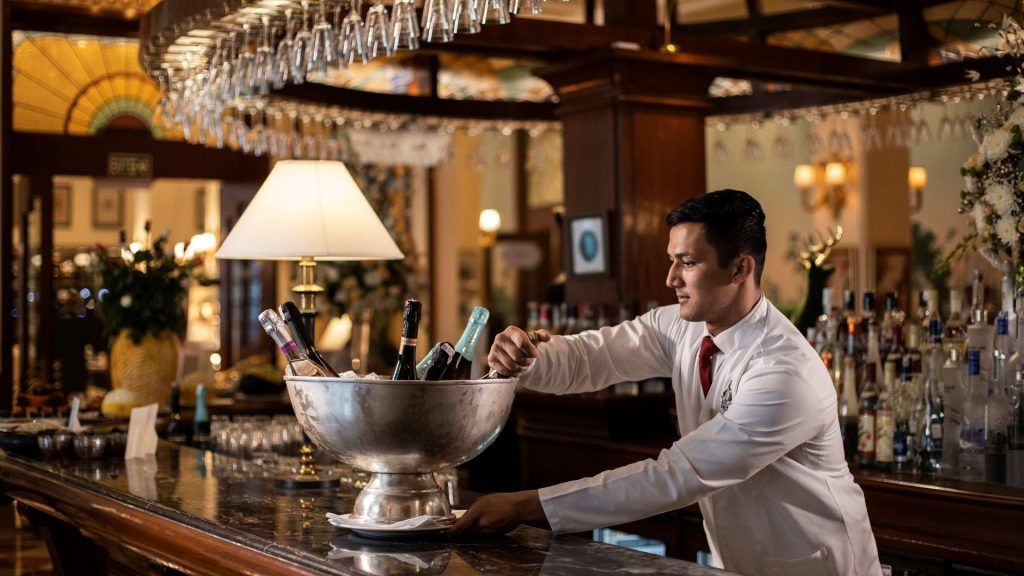
The concept fits perfectly within The Imperial’s own ethos. Opened in 1936 as Delhi’s first hotel, the property serves as a living gallery of India’s cultural tapestry, characterised by Victorian detail, Art Deco flourishes, and Lutyens’ planning. Recently recognised with two Michelin Keys and a place on the World’s 50 Best Discovery 2025 list, it also houses the world’s largest private art collection spanning 5,500 pieces. Once serving as a place of congregation for India’s historic elite, these storied halls hosted dialogues among figures such as Jawaharlal Nehru, Mahatma Gandhi, Muhammad Ali Jinnah, and Lord Mountbatten. It is not merely a hotel, but a stage for history itself.
Sitting back at the bar, watching the light glint against floor tiles polished to a mirror-like sheen, it is easy to feel the presence of that grand past. The Imperial stands as a contemporary sanctuary where heritage and modern luxury converge, making it a symbol of sophistication, a proud custodian of India’s legacy, and a member of elite global hospitality portfolios including The Leading Hotels of the World, Virtuoso, American Express Fine Hotels & Resorts, and Serandipians.
Note:
The information in this article is accurate as of the date of publication.

Written By
