
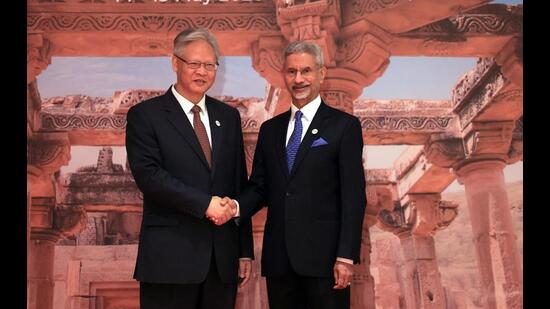
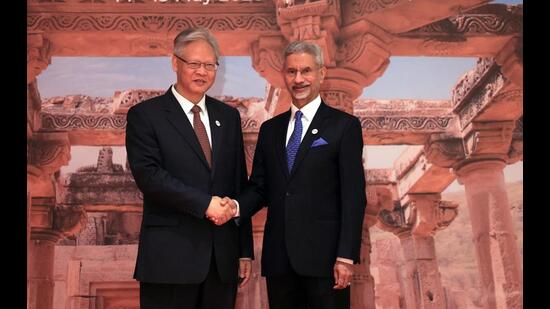
India’s recent assertion that China continues to illegally occupy vast tracts of the erstwhile state of Jammu and Kashmir highlights the shadow of the dragging border dispute on the ongoing process of normalising and rebuilding bilateral relations. The external affairs ministry responded to the Chinese foreign ministry’s, yet another, attempt to drag such issues into its official statements on recent bilateral meetings involving external affairs minister S Jaishankar and national security adviser Ajit Doval. The Chinese side earlier imputed that India has endorsed China’s position on Tibet, Taiwan, and sovereignty-related matters. The external affairs ministry immediately clarified that it is the Indian side, not China, which should be raising sovereignty issues, especially since New Delhi has been consistent about not violating Beijing’s sovereignty in any manner.
Not only has China illegally occupied more than 43,000 sq km of Indian territory of the erstwhile state of Jammu and Kashmir, including Aksai Chin and Shaksgam Valley, it has ramped up the construction of projects in these areas. India stopped referring to the “one-China” policy in official documents and pronouncements since 2011 only because Chinese authorities issued stapled visas to residents of the border regions of Arunachal Pradesh and J&K.