
KUALA LUMPUR — A wave of political disinformation targeting Malaysia’s Rohingya population has raised alarm among rights groups that say it is fueling xenophobia and intimidation against the refugee community.

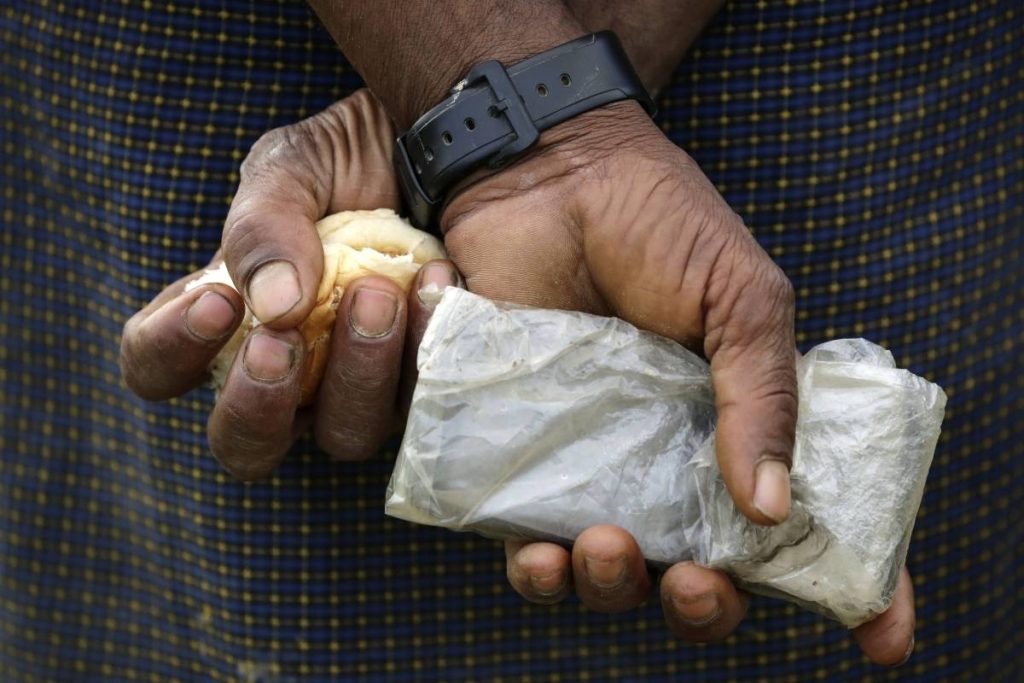
epa13049868 (FILE) – A Rohingya refugee holds his mobile phone and bread on his back upon arrival in Tuangiri, Teknaf, Bangladesh, 12 September 2017 (reissued on 19 June). According to UNHCR, at the end of 2024, 42.7 million people were refugees worldwide. The United Nations World Refugee Day, held annually on 20 June, highlights the strength and resilience of people forced to flee their homes due to conflict, violence or persecution while advocating for their rights, safety and inclusion. EPA/ABIR ABDULLAH *** Local Caption *** 53766078
AFP fact-checkers have debunked a torrent of falsehoods about the Muslim ethnic group on platforms such as Facebook, Instagram and TikTok — including fake quotes, doctored videos and fabricated statistics.
While anti-Rohingya disinformation has proliferated for years amid military crackdowns in their home country of Myanmar, analysts say the recent uptick is part of a broader political campaign ahead of Malaysian elections next year.
“Refugees have become a convenient proxy through which wider anxieties about the economy, migration, public services, security and national identity are channeled and expressed in the most violent and hateful language,” said Lilianne Fan, head of the Secretariat of the Malaysian Advisory Group on Myanmar.
“And ultimately the end message seems to be: The government is not listening to citizens.”
Malaysia hosts more than 215,000 refugees and asylum seekers through the United Nations refugee agency UNHCR.
More than 126,000 are Rohingya, making them the country’s largest refugee population.
‘Outrage over accuracy’
Accompanying the flood of hate are rumors that the Rohingya are seeking their own territory, special rights and citizenship through marriage to Malaysians.
One Facebook post from a group called “Rohingya Malaysia” claimed there was a call for a Malaysian town to be handed over to a local refugee community.
However, AFP fact-checkers found the post — which racked up thousands of interactions — was generated by artificial intelligence, and that no such activist group existed.
A screenshot of another Instagram post shows a man in robes kicking somebody in traditional Malaysian clothing, with the words “Rohingyas kick out Malaysians”.
AFP tracked down the account owner in the United States, who dismissed the fabricated image and denied having posted it.
“Algorithms reward outrage over accuracy, allowing isolated incidents to be generalized to the entire Rohingya refugee population,” said Fan, a leading Rohingya crisis expert.
‘Fear becoming targets’
Malaysian NGOs have also raised alarm about rising hate speech and intimidation targeting the Rohingya, with activists saying any disputes involving the ethnic group often fuel wider hostility.
“Community members are also increasingly hesitant to share their experiences or seek support because they fear becoming targets of online abuse or public hostility,” said an official from the Rohingya Rights Response advocacy group, who asked not to be named due to safety concerns.
Responding to the calls for deportation, Malaysian Home Minister Saifuddin Nasution said last month that the government would aim to balance security and humanitarian issues by working with other countries that have a high number of migrants.
Prime Minister Anwar Ibrahim added that Malaysia will “engage through ASEAN mechanisms with the Myanmar authorities to resolve part of the issue”.
“Through our common effort, we will work to resolve the predicament of Rohingya refugees in Bangladesh and also here,” he said in a joint press conference with his Bangladeshi counterpart.