
Published on
June 25, 2026

Image generated with Ai
Malaysia is preparing to reinforce its position on the global ecotourism map through its participation in Global BirdFair 2026, taking place from 10–12 July at Lyndon Top in Rutland, United Kingdom. The internationally recognised event brings together birdwatchers, conservation experts, travel specialists, and nature tourism stakeholders, offering Malaysia a platform to highlight its diverse wildlife assets and conservation-led tourism approach.
The country’s presence at the event reflects a broader effort to promote nature-based tourism as a key pillar of its tourism industry, with emphasis on biodiversity protection, sustainable travel experiences, and high-value ecotourism products.
Exceptional natural wealth and ecosystems
Malaysia is widely regarded as one of the world’s biodiversity hotspots, with ecosystems that span ancient rainforests, peat swamps, mangrove forests, limestone formations, and highland environments. These habitats support a vast array of species, many of which are endemic and globally significant in conservation terms.
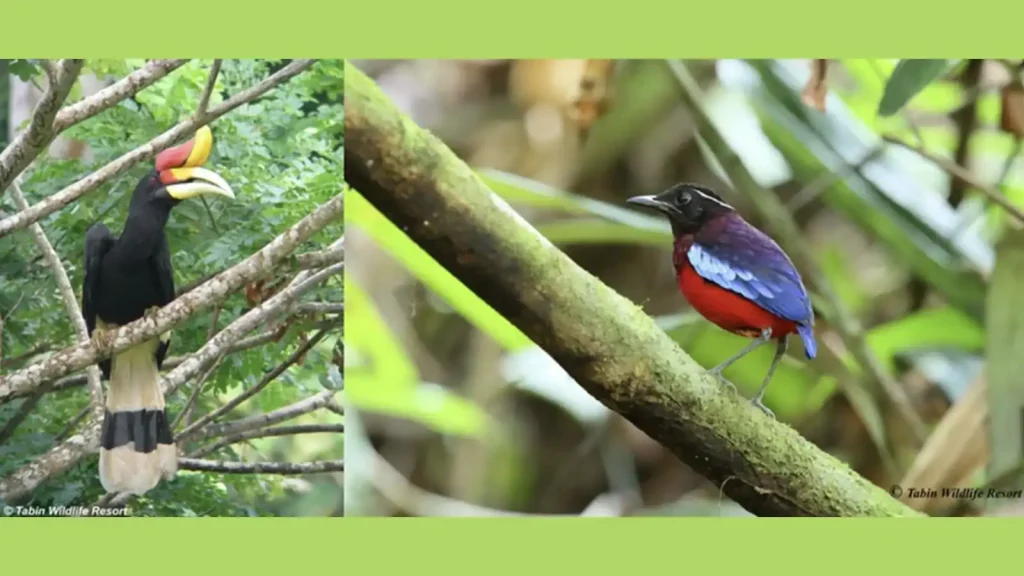
Wildlife encounters in Malaysia include some of Southeast Asia’s most iconic species such as orangutans, proboscis monkeys, Malayan tapirs, hornbills, Sunda clouded leopards, pygmy elephants, and the critically endangered Malayan tiger. The country is also a major destination for birdwatching, with its forests and wetlands hosting hundreds of resident and migratory bird species.
Advertisement
Advertisement
This ecological richness positions Malaysia as a key destination for travellers seeking immersive wildlife experiences that combine adventure, education, and conservation awareness.
Diverse landscapes for nature tourism
Malaysia’s wildlife tourism appeal is built on a wide range of natural landscapes and protected areas that offer varied visitor experiences.
Advertisement
Advertisement
Taman Negara remains one of the country’s flagship destinations, known for its ancient rainforest ecosystem and extensive biodiversity. Visitors can explore its dense jungle through canopy walkways, guided treks, and river journeys that reveal the richness of its flora and fauna.
In Malaysian Borneo, the Kinabatangan River stands out as a vital wildlife corridor, offering frequent sightings of primates, hornbills, crocodiles, and other rainforest species along its winding banks. Nearby Danum Valley provides an untouched rainforest environment where pristine ecosystems allow for close observation of rare wildlife in a largely undisturbed setting.
Advertisement
Advertisement
Highland regions such as Fraser’s Hill continue to attract birdwatchers due to their cooler climate and seasonal bird migrations. Meanwhile, Mount Kinabalu combines dramatic geological landscapes with unique ecological zones that support specialised plant and animal life.
Other notable attractions include the Kuala Gandah Elephant Conservation Centre, which focuses on rehabilitation and care of rescued elephants, and the Kuala Lumpur Bird Park, which provides an accessible introduction to Malaysia’s avian diversity in a managed environment.
Together, these destinations demonstrate the breadth of Malaysia’s nature tourism offerings, ranging from remote wilderness experiences to easily accessible urban ecotourism sites.
Commitment to conservation-led tourism
Malaysia’s participation at Global BirdFair 2026 underscores its commitment to aligning tourism development with environmental sustainability. The country continues to integrate conservation principles into its tourism strategy, ensuring that natural heritage is preserved while supporting responsible visitor growth.
Advertisement
Advertisement
A key focus is the development of community-based tourism models that involve local populations in conservation efforts and tourism activities. These initiatives help generate income for rural communities while encouraging the protection of forests and wildlife habitats.
Responsible tourism practices are also being promoted more widely across the industry, encouraging visitors to minimise environmental impact, respect wildlife habitats, and engage with eco-certified operators. This reflects a global shift in travel preferences towards sustainable and meaningful tourism experiences.
Industry collaboration and specialist expertise
Malaysia’s showcase at the event will include participation from wildlife tourism specialists with deep regional expertise. These partners contribute to the development of tailored travel experiences focused on birdwatching expeditions, rainforest exploration, and wildlife photography journeys.
Visitors will have the opportunity to explore customised itineraries designed around seasonal wildlife patterns, ecological zones, and specialist interests. This enables more targeted travel planning for both casual nature tourists and dedicated wildlife enthusiasts.
The collaboration between tourism authorities and specialist operators highlights Malaysia’s approach to building a knowledge-driven ecotourism sector that prioritises quality experiences and conservation value.
Interactive engagement and awareness initiatives
To enhance visitor engagement at Global BirdFair 2026, Malaysia will introduce an interactive competition designed to celebrate its birdlife and raise awareness of its biodiversity. The initiative aims to encourage participation from attendees while highlighting the importance of wildlife conservation.
Advertisement
Advertisement
The campaign will feature themed prizes inspired by Malaysia’s iconic species, reinforcing the country’s natural identity and ecological heritage. Participants will be able to engage through event-linked digital platforms, with winners announced following the exhibition.
This initiative combines tourism promotion with environmental education, helping to strengthen awareness of Malaysia’s wildlife conservation efforts among international audiences.
Strengthening Malaysia’s ecotourism positioning
Malaysia’s presence at Global BirdFair 2026 forms part of a wider strategy to expand its presence in the global ecotourism market. As demand for sustainable travel continues to grow, destinations with strong biodiversity and conservation credentials are gaining increasing attention from international travellers.
By showcasing its wildlife diversity, protected ecosystems, and sustainable tourism initiatives, Malaysia aims to position itself as a leading destination for responsible nature travel. Its combination of accessible eco-attractions, remote rainforest regions, and well-developed tourism infrastructure provides a strong competitive advantage.
Conclusion
With its rich ecosystems, diverse wildlife, and ongoing commitment to conservation, Malaysia is set to make a strong impact at Global BirdFair 2026. The event offers a valuable opportunity to highlight its nature tourism strengths and reinforce its reputation as a global hub for wildlife-focused and sustainable travel experiences.
Advertisement
Advertisement
