
Published on
June 26, 2026

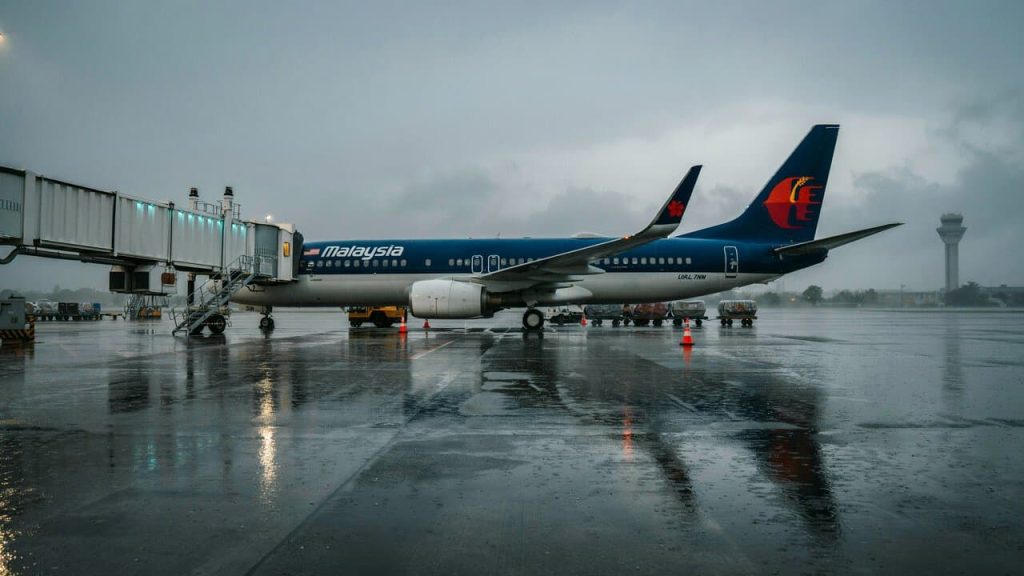
Image generated with Ai
The latest airline updates coming from Malaysia Aviation Group MAG show a clear shift in focus less firefighting more long term stability. After a period that saw over 10000 flight cancellations impacting more than a million passengers the group is trying to rebuild confidence in its network while strengthening how it responds to sudden shocks in global aviation.
In today’s latest airline updates MAG is openly acknowledging what many in the industry already know air travel is unpredictable and resilience has become just as important as expansion. This approach is now shaping everything from staffing to fuel planning and even how the airline works with partners across the ecosystem.
A Reality Check For The Aviation Industry
Across the aviation world disruption is no longer the exception MAG leadership pointed out that the sector has weathered more than 11 major crises over the past five decades alone.
That includes everything from geopolitical tensions to pandemics and supply chain breakdowns. In simple terms stability in aviation is never guaranteed for long.
Advertisement
Advertisement
This is also why latest airline updates from MAG are increasingly focused on preparation rather than reaction.
Key pressure points shaping the airline’s strategy include
Advertisement
Advertisement
- Unstable fuel prices driven by global tensions
- Ongoing supply chain delays affecting aircraft and parts
- Thin airline profit margins across the industry
- Uneven travel demand recovery in different markets
These challenges are not isolated they overlap which makes recovery planning far more complex than before.
Workforce Focus Takes Center Stage
Instead of treating staff training as a background process MAG is putting it right at the core of its recovery plan. A workforce of around 15000 employees is being continuously trained to handle operational pressure more effectively.
The Malaysia Airlines news narrative in recent months has repeatedly highlighted how critical frontline staff have become during disruptions.
What the airline is prioritizing
- More hands on training for engineers and technical teams
- Faster decision making drills for operations staff
- Customer handling skills during delays and rerouting
- Leadership readiness for crisis situations
- Continuous skill upgrades across departments
This push ties directly into the broader Malaysia Aviation Group airline resilience strategy which depends heavily on how quickly people on the ground can respond when things go off track.
Malaysia Airlines Cancellations Highlight Operational Strain
The scale of Malaysia Airlines cancellations in late 2024 made it clear just how fragile global aviation systems can be when supply chains tighten.
Advertisement
Advertisement
More than 10000 flights were cancelled in a single quarter affecting travel plans for over a million passengers. For many it was not just a delay it meant missed connections reshuffled itineraries and uncertainty around rebooking.
Impact of these disruptions
- Heavy strain on customer service systems
- Backlogs in flight rescheduling
- Increased operational pressure on ground teams
- Reduced schedule reliability across routes
These disruptions are now a major reference point in shaping the airline’s recovery planning going forward.
Fuel Costs Continue To Shake Airline Stability
Fuel remains one of the biggest variables in aviation and MAG is no exception. At times fuel has accounted for nearly half of operating costs especially during global supply crunches.
Even small changes in oil prices can have a major financial impact
- Every US dollar 1 rise per barrel adds about RM51 million annually
- Airline profit margins remain extremely tight at around 1.4 percent
- Fuel typically makes up around 30 percent of total operating costs
To manage this volatility the group has already hedged about 36 percent of its fuel requirements for 2026. This kind of planning helps reduce sudden shocks and gives the airline more predictability in budgeting.
Advertisement
Advertisement
This is also a recurring theme in latest airline updates where fuel risk is becoming just as important as passenger demand.
Supply Chain Delays Continue To Slow Recovery
Across global aviation aircraft parts and maintenance delays are still affecting operations. MAG has been dealing with similar constraints forcing adjustments in scheduling and fleet usage.
This is where airline updates Malaysia has increasingly reflected broader global problems rather than just local issues.
Some ongoing challenges include
- Delayed aircraft component deliveries
- Slower maintenance turnaround times
- Limited availability of certain parts
- Pressure on fleet scheduling flexibility
To counter this MAG is tightening coordination with suppliers and aviation partners to improve recovery speed when disruptions occur.
Diversifying Beyond Passenger Travel
Passenger flights alone are no longer enough to guarantee stability in today’s aviation environment. MAG has been expanding into other areas to balance revenue and reduce risk.
Advertisement
Advertisement
These include
- Cargo operations
- Maintenance Repair and Overhaul MRO services
- Broader aviation support services
This shift helps cushion the airline during periods of weak travel demand or sudden disruptions.
It also reflects a wider trend seen across latest travel news where airlines are trying to reduce dependence on passenger traffic alone.
Collaboration Across The Aviation Ecosystem
MAG is also leaning heavily on cooperation with regulators manufacturers financial institutions and industry partners. The idea is simple no airline can handle global disruptions alone anymore.
This cooperative model is central to restoring stability and improving response time during crises.
Key collaboration areas
Advertisement
Advertisement
- Coordinated disruption response with regulators
- Faster communication during delays
- Shared recovery planning with industry partners
- Alignment with global aviation standards
This networked approach is becoming a defining feature of Asia latest news in aviation where regional carriers are increasingly working together to handle shared challenges.
Rebuilding Passenger Trust After Disruptions
After a period of instability restoring traveler confidence is just as important as fixing operations. MAG is focusing on clearer communication and more predictable recovery systems when flights are disrupted.
The goal is not just to fix problems faster but to reduce passenger frustration when they happen.
Efforts include
- Better real time updates during disruptions
- Improved rebooking systems
- Faster coordination between departments
- More transparent communication with travelers
These improvements are essential if airlines want passengers to feel confident booking again without hesitation.
A Broader Shift In Aviation Thinking
What stands out in the latest airline updates is not just recovery but mindset change. MAG is no longer treating disruption as rare it is building systems that assume it will keep happening.
Advertisement
Advertisement
That shift is shaping the entire Malaysia Aviation Group airline resilience strategy from staffing to fuel planning to partnerships.
At its core the strategy is about one thing keeping flights moving even when the global system around aviation does not cooperate.
Conclusion Building Stability In An Unstable Industry
The latest airline updates from MAG reflect a wider truth about modern aviation uncertainty is now part of the business model. Whether it is fuel volatility supply chain delays or operational disruptions airlines are being forced to adapt in real time.
By investing in people spreading risk across different business areas and strengthening collaboration MAG is trying to build a more stable foundation for the future.
And as latest airline updates continue to evolve one thing is clear resilience is no longer just a strategy it is the backbone of survival in global aviation.
Advertisement
Advertisement
