

Malaysia arrived in Horsens, Denmark, with a problem they could no longer hide.
Their singles could not win ties.
While France lined up three players capable of taking control, Malaysia cycled through options that never fully convinced.
At the Thomas Cup 2026, the gap was not marginal. It was structural.
France did not just beat Japan in the quarter-final. They swept them aside 3-0.
Malaysia, against China, never looked in control of the tie.
They were chasing from the start and lost 3-0.
That contrast is where this story begins.
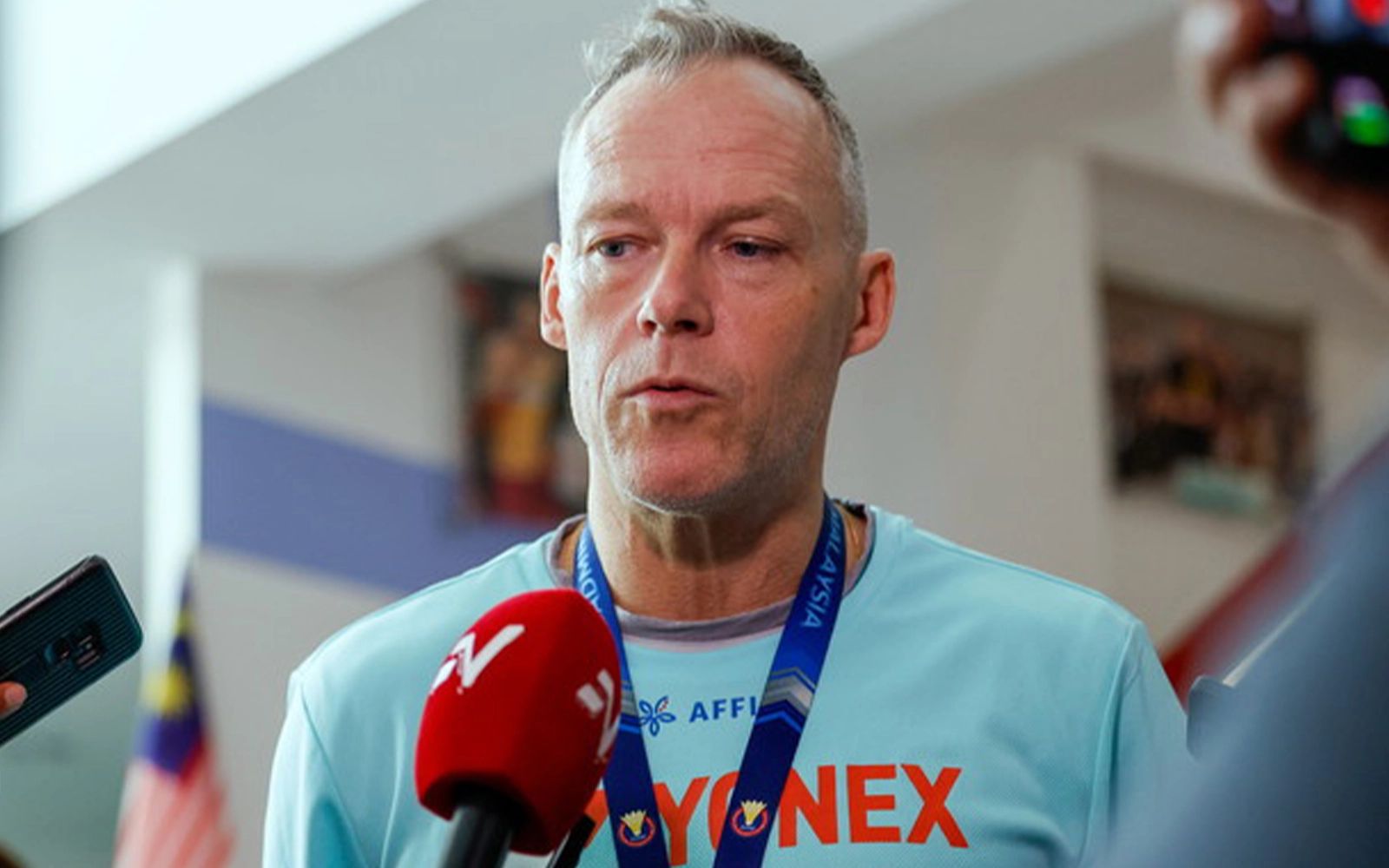
Kenneth Jonassen called it bluntly: Malaysia’s singles approach is not up to par.
He is right but the issue runs deeper than form.
Top-level singles now demands early control. The first three shots matter. So does the ability to change pace without losing shape.
The best players build rallies with intent. They defend with purpose, then turn defence into attack in one movement.
Malaysia’s players, in Horsens, struggled to impose that control.
They reacted and they reset. They extended rallies without shifting momentum.
Effort was visible, authority was not.
This is not about one bad match, it is about a style that no longer stands up.

Built systems vs borrowed belief
France did not arrive here by chance. They built towards it.
For years, they invested in a cohesive pathway. Their best juniors trained within a single high-performance structure.
Coaching, sports science, and competition exposure moved in one direction.
The result is now obvious. Three singles players who can all take a tie—each with clarity, each with belief.
They do not wait for a star. They produce options.
Malaysia still searches for one player to anchor the tie, and
that difference defines everything.
It is not about passion, it is about planning.

Taking responsibility
Jonassen took responsibility after the defeat, but accountability must come earlier and go wider.
If the style is outdated, who allowed it to stay that way? If tactical clarity is missing, where was it built? If confidence never grew across the week, what shaped the preparation?
A national singles director is there to solve problems before they surface, not just explain them after.
At the same time, this cannot sit on one man. The system that feeds the senior team must answer as well.
Because the harder truth is this: elite singles players are not made at 26.
They are identified young, developed early and tested before they arrive on this stage.
If they are not ready by then, the failure began years earlier.
Malaysia did not lack effort in Horsens. They lacked certainty.
They played rallies instead of controlling them. They waited for openings instead of creating them. That is habit.
France shows what happens when a system commits to a clear idea and stays with it.
Malaysia shows what happens when that idea never fully settles.
The Thomas Cup 2026 did not create this gap. It revealed it.
And until Malaysia decides what its singles game is meant to be—and builds it with intent—this collapse will not be the last.