

Japan has long been recognized as one of the world’s leading technology markets, producing globally influential hardware companies such as NEC and Fujitsu and establishing a reputation for engineering excellence. Yet while Japan excelled in hardware and infrastructure, many observers have argued that the country’s transition toward cloud computing and software driven business models progressed more slowly than in markets such as the United States. Today, however, Japan faces a different set of challenges, including demographic decline, labor shortages, and increasing pressure to improve productivity through digital transformation. Looking back at the evolution of the market over the past two decades, how would you characterize Japan’s cloud adoption journey, and what factors have shaped where the country stands today?
I think it is fair to say that cloud adoption in Japan was slower than in some other major markets. However, there were several unique circumstances that contributed to that situation.
One important factor was Japan’s geography. Because Japan is relatively compact and network infrastructure spread quickly throughout the country, organizations gained access to reliable connectivity earlier than many people realize. At the same time, the data center industry expanded significantly during the early 2000s.
Unlike larger countries where physically deploying and managing infrastructure in centralized facilities can be more complicated, Japan developed a concentration of major data centers in locations such as Otemachi in Tokyo. Companies could place their servers in these facilities and immediately gain access to highly connected infrastructure. As a result, businesses could launch and operate digital services without necessarily feeling an urgent need to move to the cloud.
In many ways, the environment that cloud computing later sought to solve had already been addressed through Japan’s data center ecosystem. Organizations became comfortable with that model, and it worked effectively for many years.
The situation began to change after the 2011 earthquake. The assumption that data centers were always the safest and most reliable option started to be questioned. At the same time, Japan’s declining population created a growing challenge for organizations that relied on maintaining large operational teams to manage infrastructure. As labor shortages became more visible, cloud computing emerged as a practical alternative. Around 2013, cloud adoption began gaining meaningful momentum, and since then it has become an increasingly important part of Japan’s digital transformation strategy.
While cloud adoption has accelerated significantly in recent years, certain sectors, particularly highly regulated and mission critical industries such as financial services, continue to approach migration cautiously. These organizations often manage sensitive data, complex compliance requirements, and systems that support essential business operations. At the same time, cloud platforms are becoming increasingly important as the foundation for AI initiatives and modern digital services. In your view, what are the primary barriers preventing faster cloud adoption within these critical industries?
I believe there are two major factors.
The first is what I would describe as a strong cultural preference for safety and certainty. In Japan, organizations often place an extremely high value on minimizing risk. When companies have systems that have been operating successfully in traditional data center environments for many years, there can be a significant psychological barrier to changing that approach. Even when the technical and business advantages of cloud are clear, decision makers may still question whether it is worth introducing what they perceive as additional risk.
The second factor is the legacy system challenge. Many large organizations continue to operate applications that were built years or even decades ago. In many cases, the engineers who originally designed and maintained those systems are beginning to retire. As that expertise disappears, organizations face increasing difficulty maintaining and modernizing their applications.
The challenge is that cloud migration often requires changes to the application itself. If a company is unable to safely modify or fully understand its existing systems, migration becomes extremely difficult. I believe these two issues, cultural resistance to change and aging legacy environments, remain the most significant barriers to cloud adoption today.

Generative AI has rapidly become one of the most important technology trends globally. Organizations across industries are exploring how AI can improve productivity, automate processes, modernize customer experiences, and unlock new business opportunities. At the same time, many companies are still determining how to implement these technologies effectively and how to develop the necessary skills within their workforce. As a company deeply involved in cloud transformation, how are you helping customers navigate the AI transition, and how do you see demand evolving between education, training, and implementation services?
I believe the AI market will develop in a way that is very similar to what we experienced with cloud computing.
When cloud adoption first began, there was significant interest in education and training. However, over time, most organizations concluded that while understanding the technology was important, executing large scale transformations required specialist expertise. Today, training represents only a relatively small portion of the cloud market, while professional services represent the majority.
In Japan, there is a strong tendency to rely on specialists for highly technical work. We often say that professional work should be entrusted to professionals. As a result, many organizations chose to work with cloud specialists rather than attempting to manage every aspect of transformation internally.
I believe AI will follow a similar path. We have already begun providing AI training services, and there is certainly demand for education. However, what we are increasingly hearing from customers is not simply that they want to learn about AI. They want to use AI to modernize their businesses, improve existing systems, and create new capabilities.
For that reason, I expect implementation and transformation services to become significantly larger than training services over time. The strongest demand will come from organizations looking to apply AI to real business challenges rather than simply understanding the technology itself.
As organizations move beyond basic cloud migration and begin modernizing applications, integrating AI capabilities, and transforming business processes, the role of a cloud services provider becomes increasingly strategic. Customers are looking for long term partners rather than simply technology vendors. In such a competitive market, what differentiates Serverworks from other cloud focused companies operating in Japan, and what has allowed the company to establish a leadership position within the AWS ecosystem?
The first differentiator is our track record. We were among the earliest companies in Japan to focus on AWS, and we have accumulated a significant amount of experience delivering cloud projects. That experience provides us with deep knowledge of enterprise cloud adoption and the challenges organizations face during transformation.
The second differentiator is our commitment to cloud. Many companies serving enterprise customers operate multiple business models simultaneously. They may have data center businesses, traditional infrastructure businesses, virtualization offerings, and cloud services all within the same organization.
Our approach is different. We are fully committed to cloud. When customers want to pursue digital transformation using cloud technology, we can provide recommendations that are entirely cloud focused.
Because we are not balancing competing business interests, we are able to deliver solutions that are aligned with a cloud first strategy. That commitment allows us to provide truly cloud native recommendations and has become one of our strongest competitive advantages.
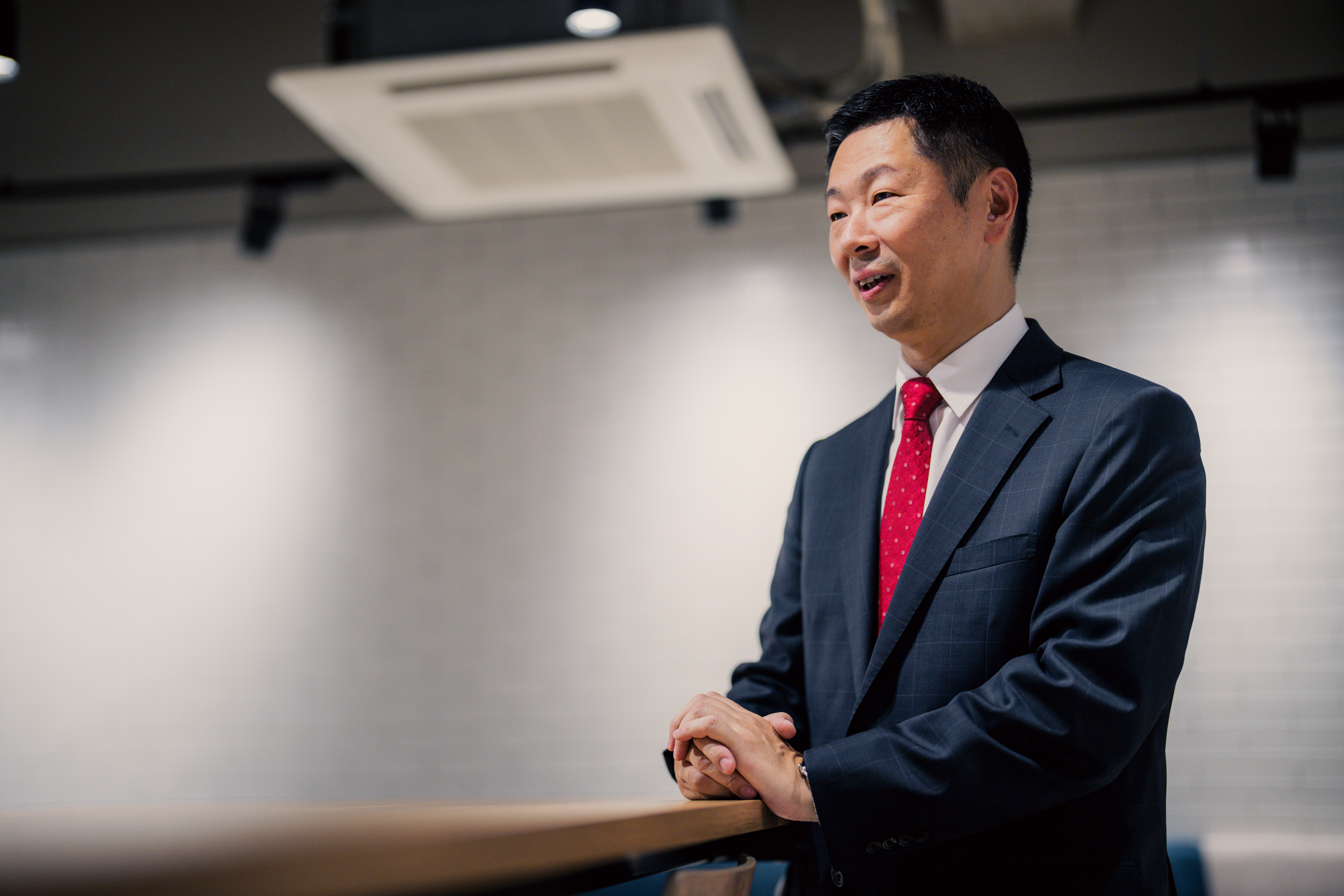
Enterprise customers increasingly require support that extends beyond cloud infrastructure alone. Organizations are looking to combine cloud platforms with data analytics, artificial intelligence, cybersecurity, and application modernization initiatives. As a result, strategic partnerships have become an increasingly important component of technology delivery. How do partnerships fit into your long term strategy, and what role do collaborations with companies such as Anthropic and CrowdStrike play in the broader value proposition you offer customers?
We believe customers need more than cloud infrastructure alone.
Organizations want to move data into the cloud, use AI to generate business value from that data, and ensure that everything is protected by strong security capabilities. These requirements are interconnected and increasingly cannot be addressed in isolation.
That is why we have expanded our ecosystem through partnerships. In AI, we have announced a reseller partnership with Anthropic. In cybersecurity, we have established a partnership with CrowdStrike.
Our goal is not simply to help customers adopt cloud technology. Our goal is to help them build secure, AI enabled environments that support their long term business objectives. Partnerships allow us to provide a broader range of capabilities while maintaining a high level of expertise.
We believe the future of enterprise technology will require an integrated approach where cloud, AI, data, and security work together. Our partnership strategy is designed to support that vision.
One of the most widely discussed challenges in the technology industry today is talent. Demand for skilled cloud engineers, software developers, and AI specialists continues to exceed supply in many markets, including Japan. At the same time, customer projects are becoming increasingly complex and require expertise across multiple technologies and disciplines. How is Serverworks approaching recruitment, talent development, and workforce readiness in order to maintain service quality and support future growth?
We think about talent in two areas: acquiring people and developing people.
From a recruitment perspective, we are in a relatively strong position. One reason is that our value proposition is very clear. Engineers understand exactly what they will be working on when they join our company.
At Serverworks, they know they will work with AWS. Within our group, we also have a subsidiary focused on Google Cloud. This clarity makes it easier for engineers to choose the environment that best matches their interests and career goals.
Training is equally important. Experienced cloud professionals are difficult to find, so we invest heavily in developing talent internally.
New engineers participate in a four month training program before joining client projects. During that period, they work through virtual projects based on real customer engagements from our past experience. The goal is to expose them to realistic scenarios before they begin working directly with customers.
We have also begun using AI as part of the training process to provide guidance and simulate project environments. The training is rigorous, but it allows us to maintain quality while developing the next generation of cloud professionals. Only those who successfully complete the program are assigned to actual customer projects.
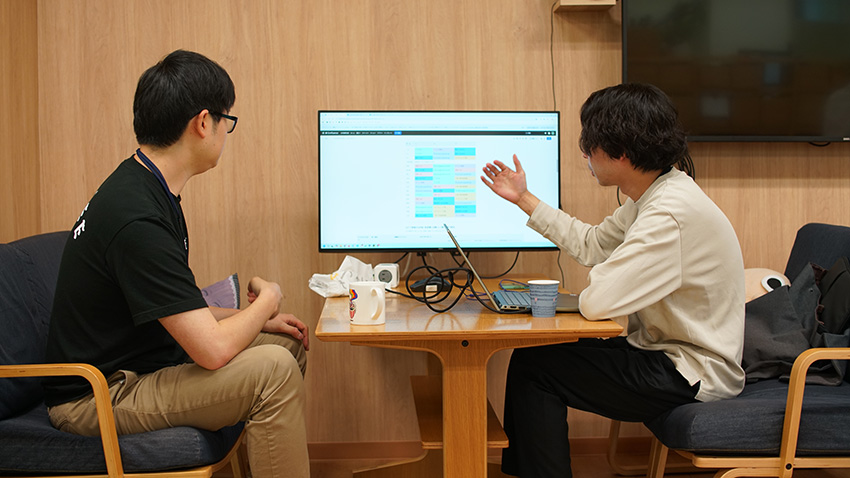
Building the next generation of cloud professionals at Serverworks.
As Japanese companies continue expanding internationally, there is growing demand for cloud and AI services beyond Japan’s borders. Serverworks has already begun expanding into Southeast Asia through partnerships and local initiatives. Given the increasing digitalization of the region and the strong presence of Japanese companies across Southeast Asia, what are your priorities for international growth, and how do you view the opportunities in markets such as Thailand?
Our highest priority is supporting Japanese companies as they expand internationally. Many Japanese organizations are looking to use cloud technologies and AI solutions in overseas markets, and we want to ensure we can support them wherever they operate. This is one of the reasons Thailand has become an important focus for us. There is a significant presence of Japanese companies there, creating strong demand for cloud expertise and support. Our initial strategy is to follow the needs of our existing customer base and provide the services required to support their international growth. In parallel, we are also actively pursuing local companies in these markets as a second strategic pillar. We see strong demand for cloud and AI expertise across the region, and believe we can bring real value to local businesses as well. By helping both Japanese and local companies successfully deploy cloud and AI solutions overseas, we believe we can establish a strong foundation for broader regional expansion over time.
Looking toward 2030, many technology leaders believe we are entering a period of unprecedented change. Unlike previous waves of innovation, generative AI is raising fundamental questions about how work should be performed, what responsibilities should remain with humans, and how organizations should be structured in the future. After leading Serverworks for more than two decades, how do you think about the future of the company in this environment, and what role do you believe it can play in helping organizations navigate this transformation?
To be completely honest, this is probably the most difficult period to predict that I have experienced in the twenty six years I have been running the company.
Previous technology shifts were significant, but they were generally evolutionary. Even cloud computing represented a progression from existing infrastructure models.
Generative AI feels fundamentally different. It is forcing us to reconsider what humans should do and what should be delegated to machines. Those questions extend beyond technology and into management, culture, and society.
Our core strategy is built around the combination of cloud, security, and AI. We believe organizations adopting AI will continue to require cloud infrastructure and strong security foundations. We want Serverworks to be recognized as the best partner for customers navigating that journey.
At the same time, I believe companies will increasingly need to think about philosophy as well as technology. In the future, organizations will need to determine where human judgment remains essential and where AI can create greater value.
Sometimes I even say that companies may eventually need a Chief Philosophy Officer. As AI becomes more capable, businesses will need to make thoughtful decisions about what should remain human and what can be delegated to technology. We want to be a company that understands both sides of that equation.
Our ambition is not only to understand technology, but also to understand how technology should be applied responsibly in society.
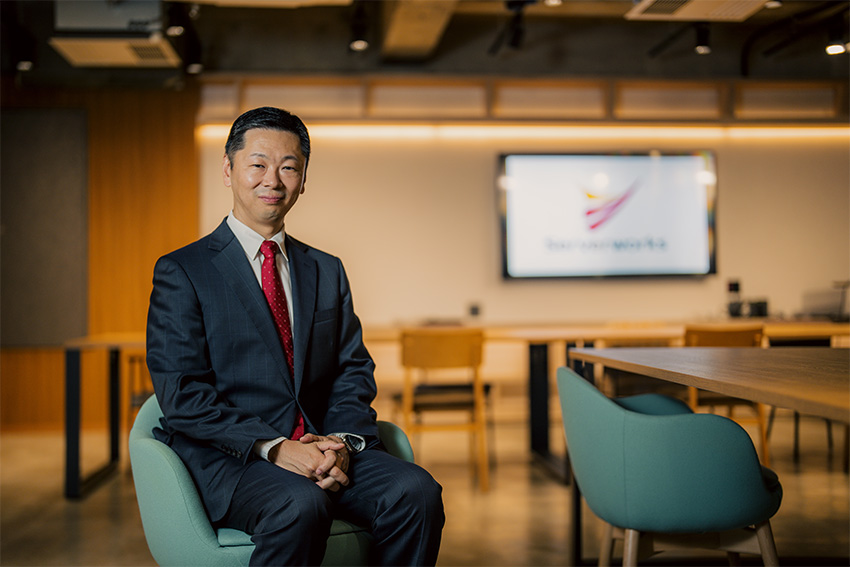
Finally, our readers include business leaders, investors, entrepreneurs, and technology professionals from around the world. For those encountering Serverworks for the first time, how would you describe the company in a single sentence, and what do you believe defines its identity today and in the future?
Serverworks is a professional services firm.
Today, we are an AWS professional services firm. We have built our reputation by helping organizations successfully adopt cloud technologies and navigate complex digital transformation initiatives.
Looking ahead, I believe we will evolve into an AI professional services firm. Cloud will remain an important foundation, but AI will increasingly shape how organizations operate, innovate, and create value.
Our role will be to help customers bridge those worlds by combining cloud, AI, security, and professional expertise. That evolution reflects both the direction of the market and the direction we intend to take as a company.
For more information, visit their website at: https://www.serverworks.com/