
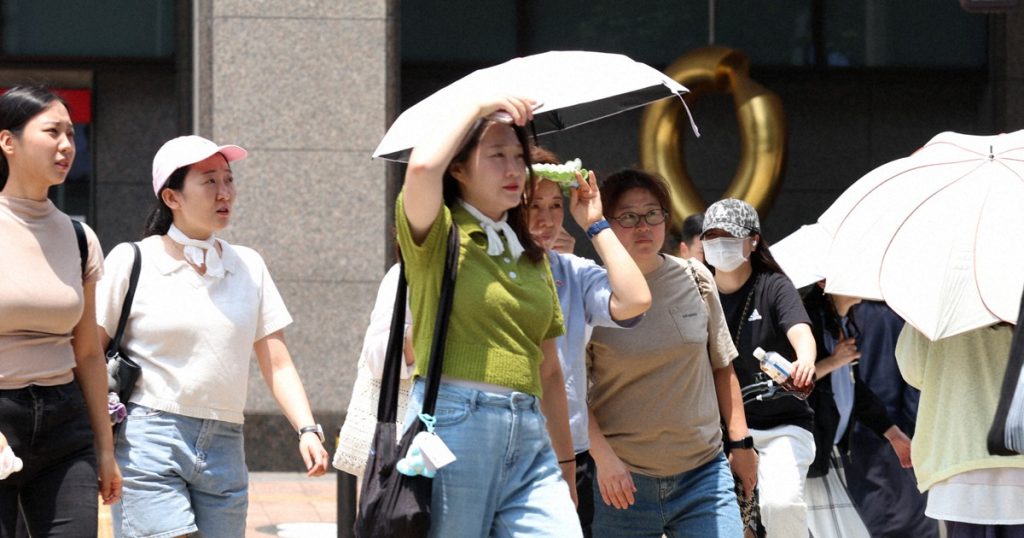
Extremely hot days — when the mercury climbs to 35 degrees Celsius or above — are being recorded in succession across Japan. The number of people being transported to hospitals for heatstroke is also rising. To ensure that lives which can be saved are protected, people need to be aware of the danger and take thorough countermeasures.
According to forecasts by the Japan Meteorological Agency, temperatures nationwide are expected to remain higher than average, and it appears likely that Japan will see a succession of days where the temperature reaches 40 C or higher — called “kokushobi,” a term introduced this season, literally meaning “cruelly hot days.”
Last summer was the hottest on record for Japan, and 1,521 people died of heatstroke. It was the fourth year in a row for heatstroke fatalities to surpass 1,000.
Heatstroke can be avoided by remaining in a cool environment and staying hydrated, but elderly people tend to be slower to respond because they are less likely to feel the heat. Of the 100,510 people in Japan who were transported to hospitals by ambulance with heatstroke symptoms last summer, nearly 60% were aged 65 or older. When older people develop heatstroke, the symptoms tend to be more severe, and they account for around 80% of fatalities. Many also suffer aftereffects, such as damage to the brain or difficulty walking.
Appropriate use of air conditioning is important. A survey by the University of Tokyo and others found that many of those who died of heatstroke despite having air conditioners were elderly. There were even cases in which “the batteries in the remote control had run out” or “the temperature was set at 28 C, but the unit was in heating mode.”
Households consisting entirely of elderly people face a particularly high risk. It is important for those around them to actively check in on them.
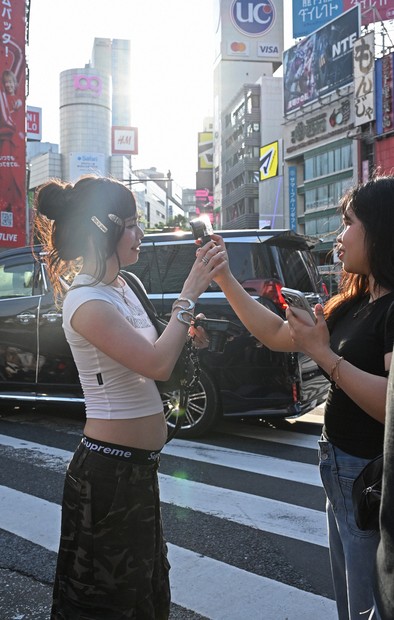
As prices rise, people are becoming more inclined to save money, but air conditioners should be seen as a means of protecting lives. People should also make use of “cooling shelters” — places such as supermarkets and libraries that are opened to the public as places to escape the heat.
Older people are not the only ones who need to be careful. In recent years, attention has turned to “heat-related deaths,” in which people die after chronic illnesses worsen because of the heat.
Dehydration and a decline in physical strength caused by poor appetite can make heart disease, kidney disease, respiratory illnesses and diabetes more likely to progress. Analysis of domestic death data and other statistics from 2015 to 2019 found that heat-related deaths may be seven times the number of deaths caused by heatstroke.
Last year, workplace heatstroke countermeasures became mandatory. Efforts such as taking breaks and drinking fluids have spread, and the number of people dying while at work has declined. Measures expected to be effective should steadily be implemented.
Spending time in a cool environment is not just about comfort; it is an important action that reduces the burden on the body and prevents chronic illnesses from worsening.