
For those who don’t know Halo Drinks can you explain what you do?
Halo Drinks is a distribution and brand-building platform focused on helping premium drinks brands enter new markets in a way that is commercially viable, culturally relevant, and built for long-term growth.
What that means in practice is that we do far more than simply place a brand with a distributor. We work at the point where brand, market, and commercial reality meet. That includes understanding how a product should be priced in a new market, what route-to-market is most suitable for its category, which cities or channels make the most sense to start with, and how demand is actually created once the product lands.
A lot of drinks brands underestimate how much a market changes a product. A bottle can be beautifully made, have a strong story, and perform well in one geography, but still fail elsewhere because the pricing is wrong, the distribution partner is wrong, or the brand has been introduced in the wrong channel.
Halo exists to solve those issues. We look at the full journey – from origin pricing to final consumer pull.
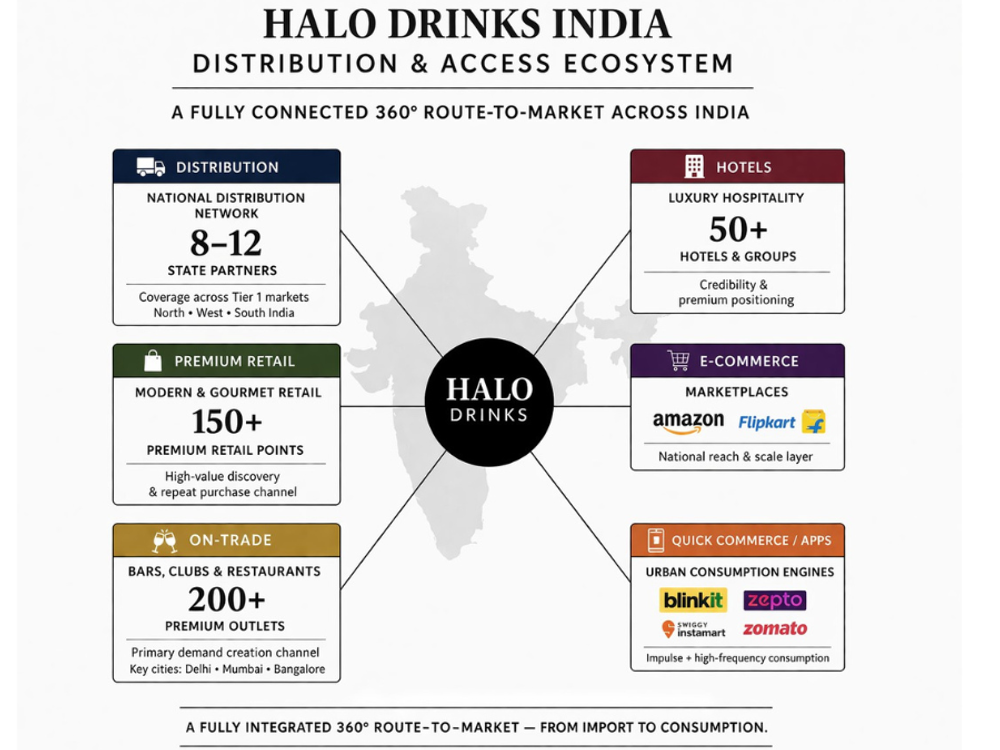
How Halo Drinks helps brands break into the complex Indian wine market
We are especially focused on premium and emerging brands, because those are the brands that need the most thoughtful execution. Large players often have infrastructure in place already. Smaller and growth-stage brands need someone who can build that bridge properly.
You have just announced plans to expand your services into India – what are you looking to do?
We’re looking to build a serious India entry and growth platform for drinks brands that want more than just presence – they want structure, movement, and longevity.
In practical terms, that means helping brands with:
- market entry.
- route-to-market design.
- pricing and cost structures.
- state-wise distribution planning.
- demand creation across bars, retail, and hospitality.
- channel strategy across key metro cities.
India is not a market where you can simply land stock and hope it works. It needs proper cost planning, a real understanding of how excise and distribution work and a sharp sense of where a category will actually move. What we are building is an operating model that helps brands enter India with those fundamentals already thought through.
For some brands, that may mean a liquor-distribution-led entry. For others, it could mean premium retail, hotels, quick commerce, or bar seeding first. Our job is to define what the right commercial logic is for that specific brand.
Why did you want to make this move into India now?
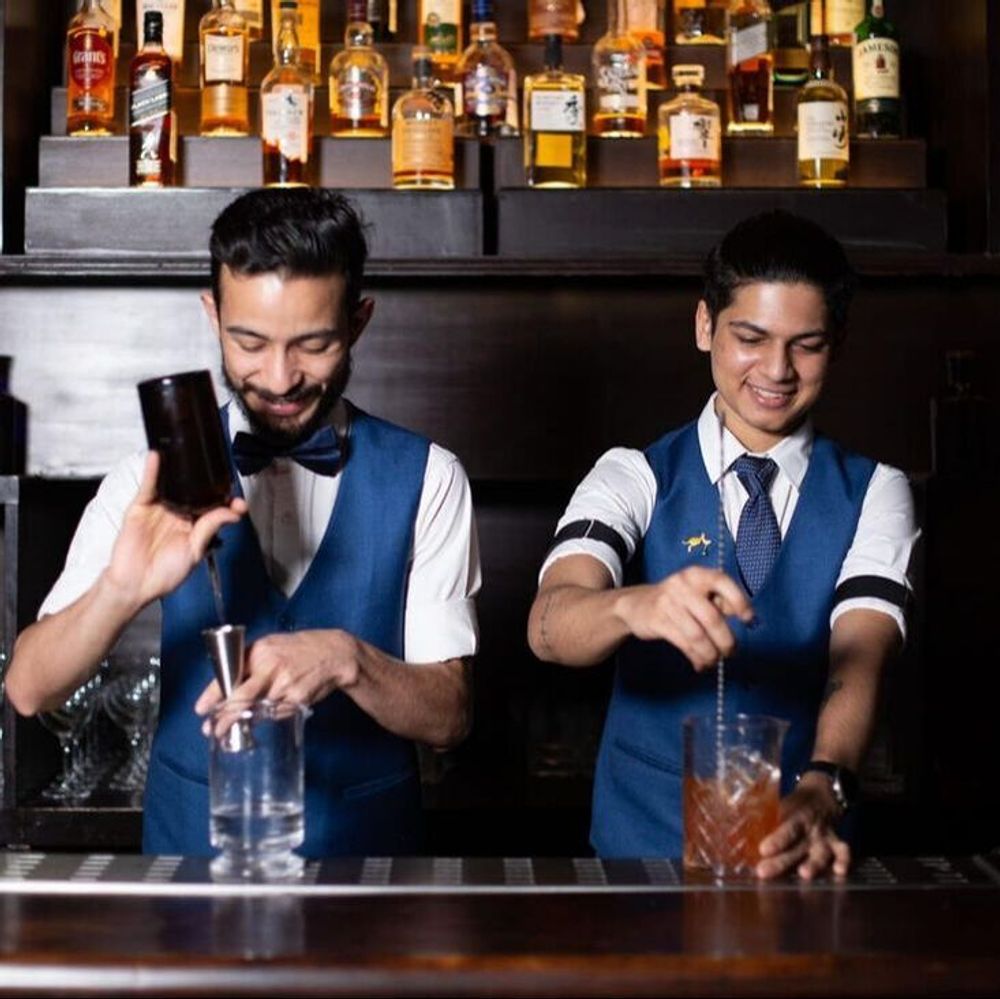
Halo Drinks works with brands to target the right bars and cities to focus on – like here with the bartenders team at Hoots in Delhi
Because the market is at a point where the opportunity is finally matching the complexity.
India has always had scale. What it didn’t always have was the same level of premium openness, experimentation, and globally aware consumption that we’re seeing now. That has changed meaningfully.
Consumers are exploring more. Bars are better. Retail is more segmented. Hospitality is more ambitious. And importantly, premium and niche categories now have real room to grow.
On a personal level, this move also makes sense because India is not a new market to me. I understand the ecosystem, the pace, the commercial realities, and the relationship-driven nature of how business actually gets done there. I’ve worked across Indian networks, and I know how different the market looks from the inside versus how it is often described from the outside.
So for us, this is not a speculative move. It is a timely one.
India has been touted as the next big thing for the drinks industry for some time – why do you think this is the best time to make your mark there?
Because India has moved from being a future promise to being a market where premium demand is already visible, but where execution is still uneven.
That is the sweet spot.
If you enter too early, you spend all your time educating the market. If you enter too late, you’re fighting for space in an already structured category. India is in a very interesting phase right now where:
- premiumisation is real.
- cocktail culture is driving discovery.
- premium non-alcoholic and lifestyle beverages are growing.
- consumers are more comfortable with international brand.
- hospitality is increasingly influential in shaping taste.
At the same time, many brands still do not know how to approach India properly. They either underestimate the complexity or overestimate how quickly distribution will translate into sales.
That creates an opening for businesses like ours, because we can help brands enter at the right moment with the right structure.
How are you looking to build your presence there and get to understand what the market needs?
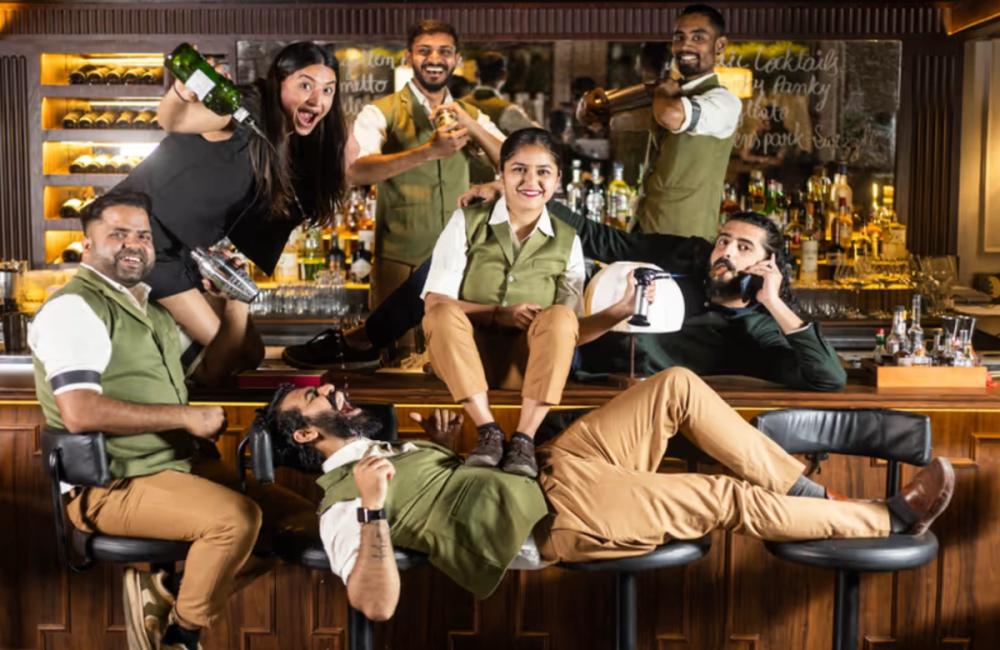
India now has a thriving bar and cocktail community across the country – like here with the team at The Cobbler Crew in Pune
We’re building our presence in India by combining three things:
- local market understanding.
- active trade relationships.
- structured on-ground execution.
We’re not treating India as a desk exercise. We’re building from the market outward. That means talking to distributors, excise and logistics partners, retailers, bar operators, hospitality groups, and the people who actually influence trial and reorder.
For me, a big part of this is that I already have a strong connect with the Indian ecosystem. I understand the intersection between HoReCa, FMCG, venture-backed consumer brands, premium retail, and trade relationships. That matters because the market doesn’t move in silos.
Often, the quickest path to growth is not just product-market fit – it is knowing which networks accelerate adoption.
So when we say we’re building presence, we mean we are building it through the trade conversations we have, channel mapping and prioritising which cities to target. We are also analysing wines and brands that have the right pricing city and value chain understanding. We ultimately want relationships that can actually move a brand forward.
To secure entry into the Indian wine market you have to do so in a compliant and commercially sensible way. Route-to-market is about deciding how your products should move once it gets here – which partner, which state, which city, which channel. You then then need to focus on making sure it actually sells once it is available.
A lot of brands focus on only one of those. We think all three need to be designed together.
How do you that?
We do that by breaking the work into operating layers.
Market Entry
We start with the fundamentals: origin price; landed cost; customs and duties; state-level excise impact; warehousing and distribution cost; through to final MRP possibilities.
If a brand doesn’t understand how the value chain builds in India, it risks entering at the wrong price and then spending the next year trying to fix it.
Route-to-Market
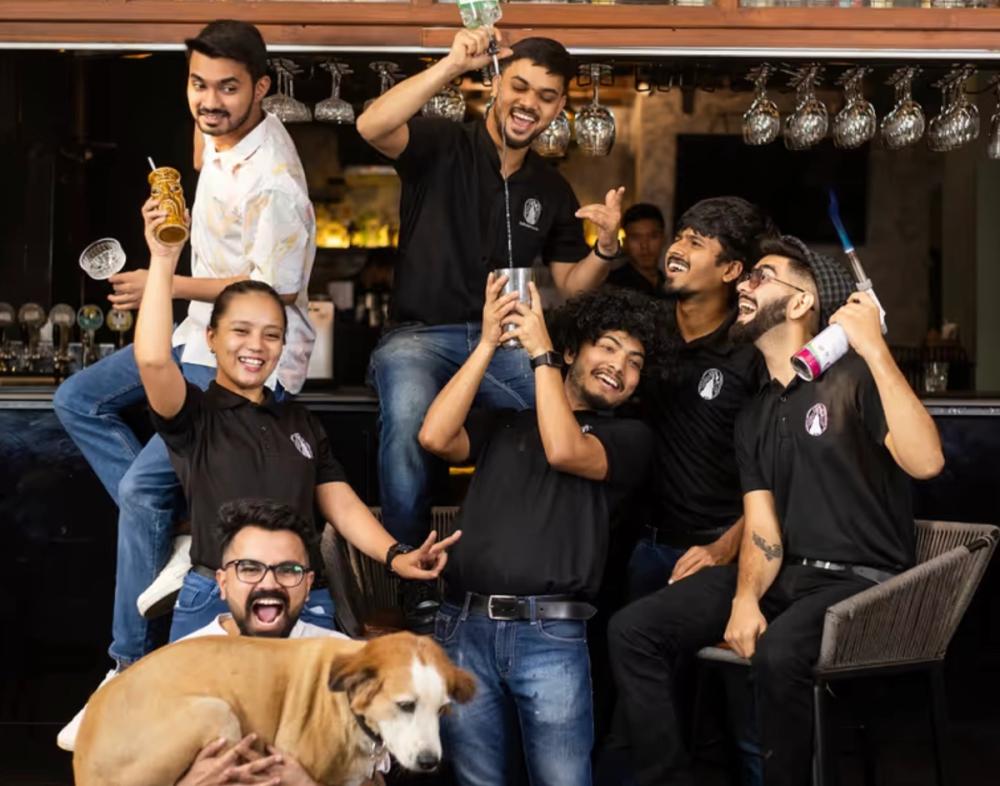
The Elephant and Co team in Pune
Once the economics are clear, we define which is the right channel for that brand be it in retail, hospitality and the wider on-trade, online and the premium hotel network.
Not every category should scale the same way. A mixer brand should not be rolled out like a luxury whisky. A craft gin should not be pushed like a mass FMCG beverage. So we tailor the route-to-market to the category and the price band.
Demand Creation
This is where most people oversimplify India. Distribution does not automatically create movement.
Demand creation in India requires working hard to get the brand into the right bars, working with bartenders to use it in cocktails, making sure it is visible in retail stores and building distribution in premium hotels. Then you need to make sure you are being seen and heard by getting social media influencers on board to encourage people to go out and buy it and get repeated trial.
That is where our network becomes extremely valuable. We already have access to HoReCa circles, premium consumer networks, FMCG buyers, PR relationships, and tastemakers. Those are often the real low-hanging fruit, because they shorten the distance between entry and demand.
You are also working with local hires to help with that process?
Yes, absolutely. India cannot be built credibly from a distance. It needs local intelligence, local relationships, and local execution. We are working with people on the ground because that’s essential if you want to move with accuracy and speed.
At the same time, this is not a loose local network without direction. The India piece is being led with strong strategic oversight. So it’s a combination of local execution, legal and compliance support, commercial structuring and central control over how the brand is built.
That balance is important. You need local knowledge, but you also need strategic discipline.
What are the distribution challenges in India?
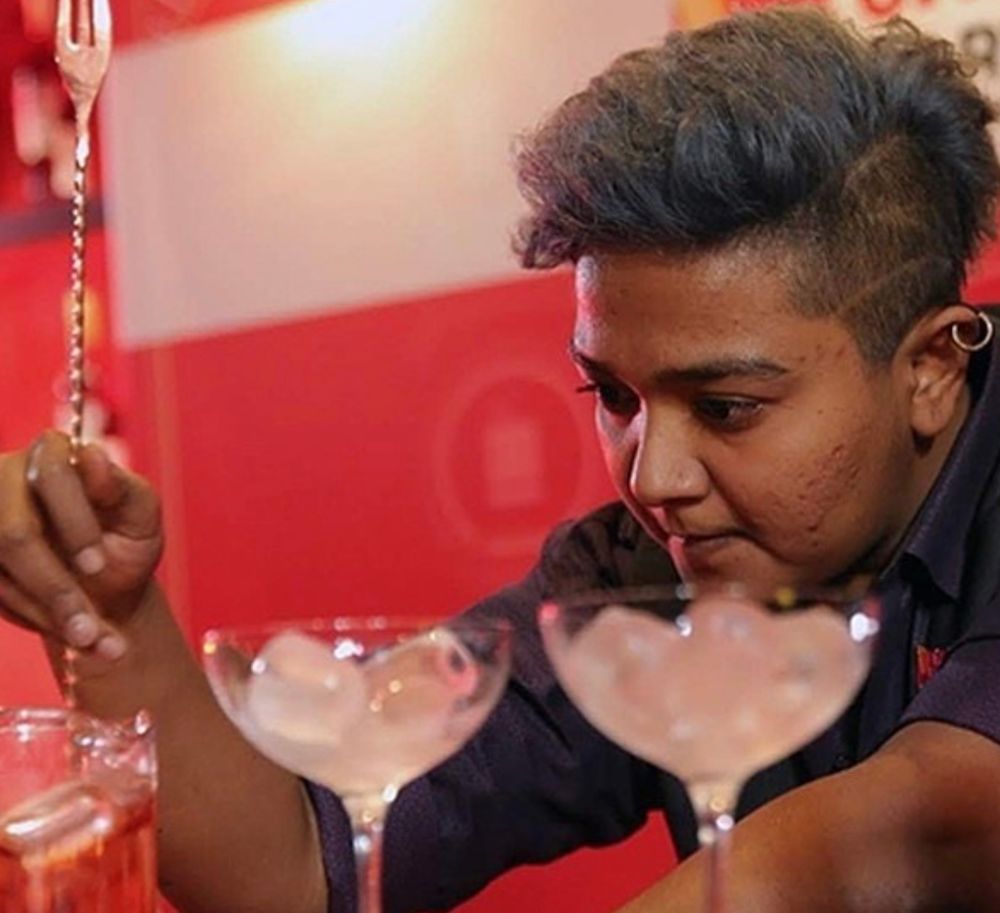
Arati Mestry is one of the leading bar figures in India and is bar manager at Taj Hotels
India’s biggest distribution challenge is that there is no single India system.
Each state has different excise rules, fees, channel structures and permitted routes of sale and pricing outcomes.
On top of that, the value chain is layered. A brand may pass through an importer, a national distributor, a state distributor, a stockist, and then through to your end customer be it a retailer or a venue in the on-trade. Then there multiple warehousing points to factor in.
That creates pricing distortion and margin pressure very quickly.
There are also challenges around warehouse approvals, bonded storage, state permits, dispatch timing, fragmented retail and uneven distributor capability.
So the challenge is not just finding distribution. It is finding the right distribution model for that category and price band.
What do you see as the big low hanging fruit opportunities in India?
Three very clear opportunity areas stand out.
1. Premium but accessible spirits
There is a strong opportunity n the 3,500 rupee (£27) – 6,000 rupee range (£46). That is where aspiration and accessibility meet. Consumers want to trade up, but the product still needs to feel attainable.
2. Cocktail-led categories
If a product integrates naturally into bar culture, it has a faster route to discovery. India’s best bars now play a major role in introducing new categories. Cocktail-led categories can move quickly because the consumer is not just buying a bottle – they are being introduced to an experience.
3. Premium non-alcoholic
This is one of the most under built spaces in India right now. There is growing demand for premium non-alcoholic and lifestyle beverages across retail, cafés, hotels, and hospitality. This space has real scale potential.
And beyond category, one of the biggest low-hanging fruits is also the network layer. We already have access to hospitality and on-trade networks, premium retail and FMCG relationships, PR and influencer ecosystems, and across the investment world.
That matters because in India, access is a growth lever in itself. Often the opportunity is not just the category – it is how quickly you can plug a brand into the right ecosystem.
What are the biggest trading challenges there and how are you looking to overcome them?
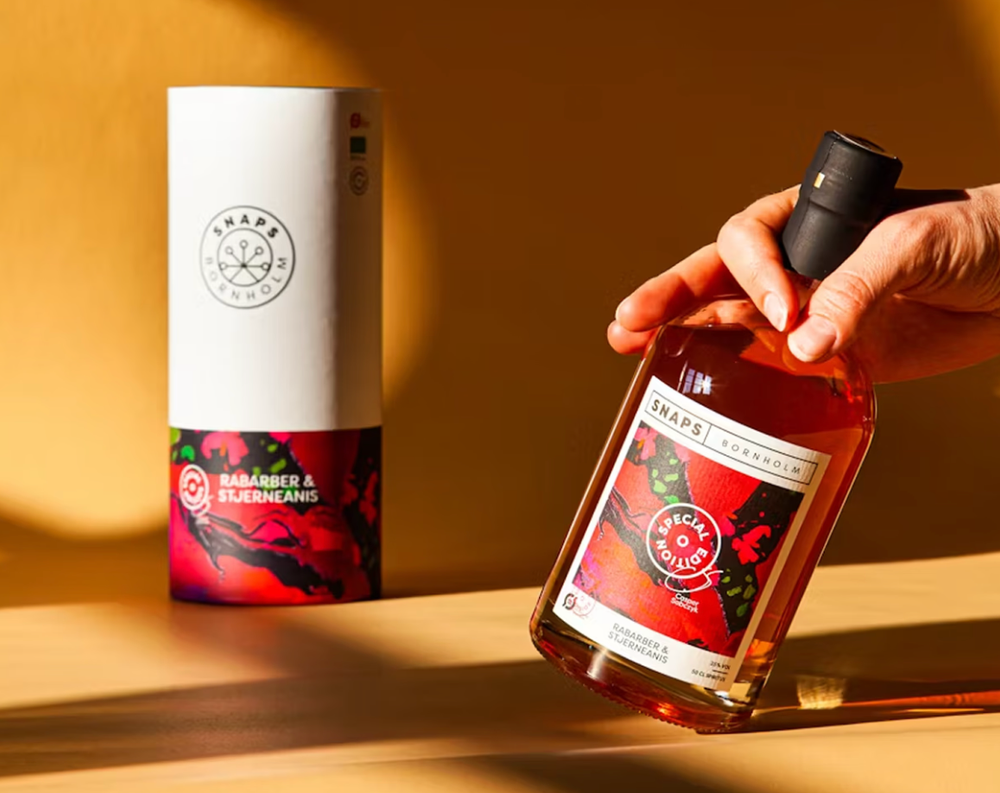
Halo works with premium drinks brands to find the right routes to market in countries around the world
The biggest trading challenges are three-fold:
- pricing distortion.
- fragmented distribution.
- and misaligned market entry strategies.
Many brands enter India with either unrealistic price expectations or an overly broad rollout plan. They want national scale before they have city-level traction.
We address that by structuring costing and margins upfront, understanding the full value chain before launch, choosing partners based on execution capability and channel fit and launching city-by-city rather than nationally. That way you build demand alongside supply.
We also have a legal and compliance setup in place that manages the customs, excise, and regulatory side. That allows us to stay focused on building the business rather than getting bogged down in back-end complexity.
And on top of that, we already have established PR and influencer relationships in the market, which means we can support demand creation from day one rather than waiting until after launch to build visibility.
Where do you see good opportunities in other countries and emerging markets for drinks producers and why?
We’re very interested in markets where premium demand is growing, but where distribution and category development are still being shaped.
That includes South East Asia, selected Middle Eastern markets and parts of Africa.
These are markets where there is often a similar dynamic to India which includes a growing premium consumer, fragmented but evolving distribution, strong hospitality influence and there is room for early movers to define categories.
What makes these markets attractive is not just growth – it is the fact that a well-structured brand can still establish a real position before the market becomes too crowded.
We also see these markets as part of a broader phase two expansion path. India is not the only story. For the right brands, it becomes a gateway into other high-potential regions where we already have partners and operating relationships.
What overall advice would you give to a drinks brand or producer looking to move into a new territory – what questions do they need to ask?
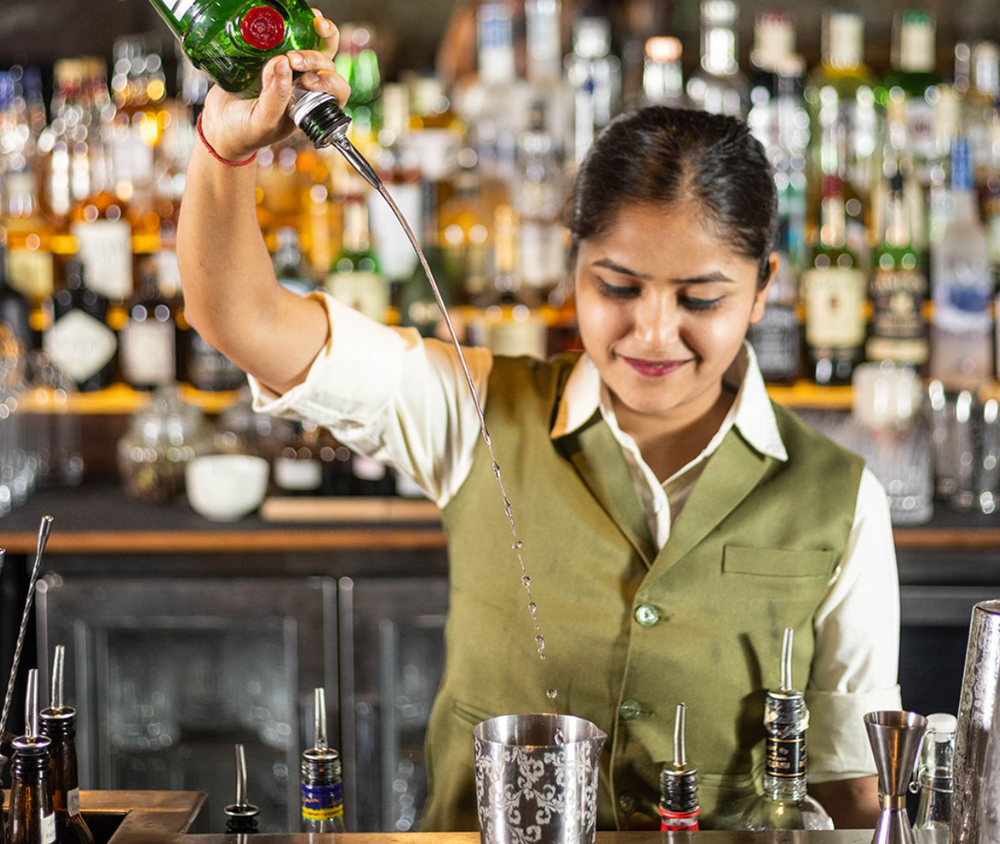
Aashi Bhatnagar is one of the award-winning bartender team at Cobbler & Crew in Pune
The first thing I would say is: don’t ask only “Who can distribute us?” That’s too late in the process.
Brands should first ask:
What is our real price in this market?
Not what we hope it will be – what it will actually be after we have factored in freight, duty, taxes, warehousing, distribution and trade margins.
What role will our product play in this market?
Is it going to work in the on-trade, in a bar, in a retail store, a hotel, or is it more of a discovery, lifestyle or prestige product?
Which city or channel should we win first?
Trying to win nationally too early is one of the fastest ways to lose focus.
What does demand creation look like here?
Is it investing in bar programs, getting good PR, consumer sampling, getting people in the trade on side through tastings and other activity to break into the luxury and hospitality sectors.
Who are the right partners and not just the biggest ones?
Scale is not enough. The partner needs to fit the category. The biggest mistake brands make in new markets is confusing availability with traction.
How can you help with that?
We help brands ask and answer those questions before they make expensive mistakes.
Halo helps brands to understand what price they need to set for their brands, and then build commercially viable routes to market strategies. We then work together on identifying the right channels and city to target and create demand through the right networks. That way you can translate brand ambition into actual market movement.
We operate at the intersection of brand ambition and market reality. That’s where most of the important decisions happen.
And because we’re already connected into the India ecosystem across HoReCa, FMCG, retail, PR, compliance, and distribution, we can help brands move from strategy into execution much faster.
Anything else to say?
India is one of the most exciting drinks markets globally, but it is not a shortcut market. It rewards clarity, patience, local understanding, and operational discipline.
For us, this is not just expansion. It is a market where we have both context and control – the relationships, the ecosystem understanding, the compliance structure, and the on-ground networks to build properly.
And that matters, because India doesn’t need more brands for the sake of it.
It needs brands that are introduced with the right economics, the right partners, and the right demand engine behind them.
India doesn’t need more brands – it needs better execution. That’s where we come in.
* You can find out more about Halo Drinks here.