
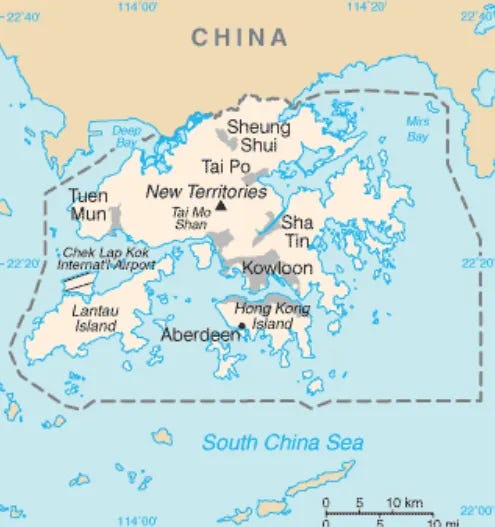
In a follow-up on a report this weekend, the Centre for Health Protection (CHP) of the Department of Health, using whole genome sequencing and analysis of the patient’s clinical specimens, the virus strain was confirmed to be a low-pathogenic avian influenza A (H9N2) virus.
All of the virus genes were avian in origin and no significant genetic variations were detected.
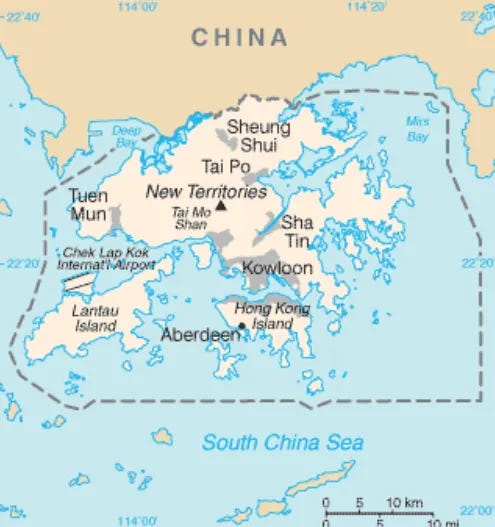
Health officials say the patient is currently in stable condition and all six of his household contacts have remained asymptomatic.
As the H9N2 avian influenza virus has long been present in local poultry with low mortality rate for birds, and that the H9N2 avian influenza virus involved in this case has not shown evidence of human-to-human transmission or significant genetic variation, the CHP currently assessed the risk of a local avian influenza pandemic as low.
Since 1999, a total of 11 cases of human influenza A (H9N2) have been recorded in Hong Kong, including five local cases and six imported cases. No fatal case has been recorded so far.
Avian influenza viruses are generally classified as highly pathogenic or low pathogenic, and they mainly affect birds and poultry. Birds are also natural hosts for avian influenza viruses. In occasional circumstances, cross-species transmission may occur when human come into close contact with infected poultry or contaminated environments. However, there is currently no scientific evidence to suggest that the existing avian influenza viruses are capable of sustained and efficient human-to-human transmission.