
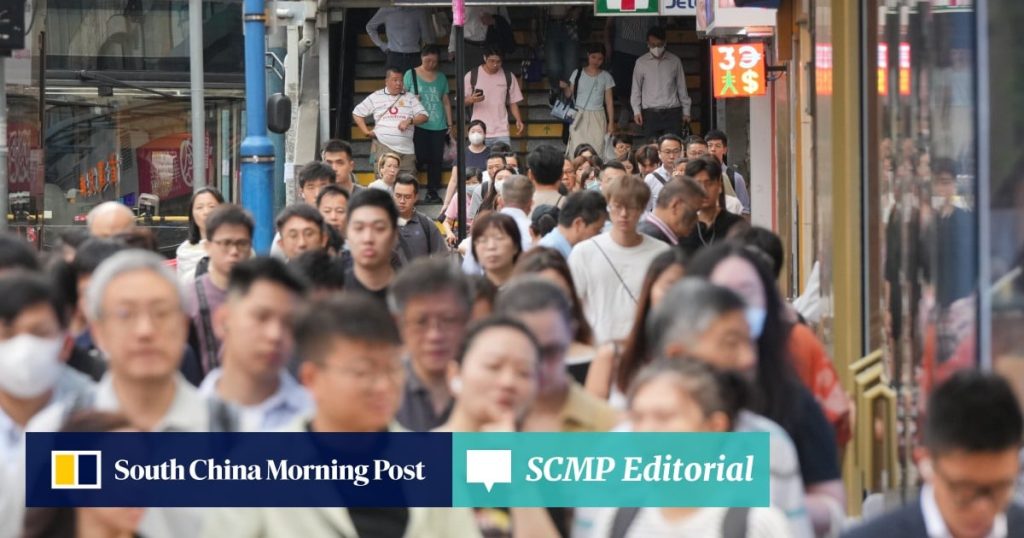
Announcing a key timeline for the initiative, Chief Executive John Lee Ka-chiu urged the public to take part in the process. The blueprint, he said, would bring numerous benefits, including development opportunities and enhanced competitiveness. The final document will be ready by the end of the year.
Public consultation is a useful means of engaging people on issues of importance. It also acknowledges their stake and gives them a voice before decisions are made. The upcoming consultation on the five-year blueprint takes it beyond a mere planning exercise from the top down. It is a timely occasion for the city to pause, reflect and chart a clear course for the years ahead.
As global uncertainty rises and competition among cities intensifies, Hong Kong cannot afford to lose sight of the risks and opportunities as it moves to a new stage of development. The need for a shared sense of direction, practical priorities and a collective commitment to action has never been higher.
A dedicated collaborative mechanism with the legislature has been established in this regard. While lawmaker engagement is a positive step, the blueprint should not be compiled solely within chambers and handed down as a finished product. If it is to command broad support and deliver meaningful results, it must be built from the bottom. That means giving different sectors – business, finance, innovation, logistics, education, healthcare, youth, labour, professional services and the community at large – a real chance to contribute ideas, identify bottlenecks and help define what Hong Kong should do better.
Under the national plan covering 2026 to 2030, Beijing has reiterated support for Hong Kong as a global centre for finance, shipping, trade, aviation and innovation and technology, in addition to strengthening its role as an offshore renminbi business hub. The city is also commissioned to build a commodity trading ecosystem, a high-quality supply chain service centre and a global hub for high-end talent. The plan also calls for quicker development of the Northern Metropolis, with the megaproject serving as a new economic powerhouse. The stakes are high and the government must work with the public to set out concrete development strategies.