
- Results show fall in trips due to war
- ‘If tourists return, earnings rebound’
- Acquisition of rival supports growth
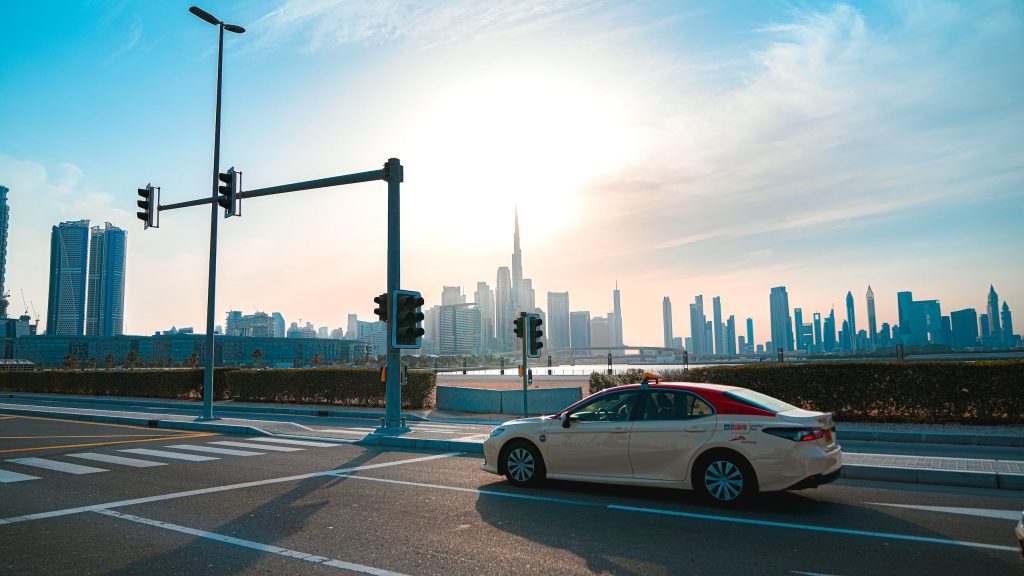
Dubai Taxi Company will be an early beneficiary should Dubai tourism and domestic travel rebound to nearer pre-Iran-war levels, analysts predict.
The majority government-owned company has a largely fixed cost base that makes profits especially sensitive to passenger numbers.
“Dubai Taxi represents an early recovery play for the Dubai economy,” said Indarpreet Singh, assistant vice president for research at Bahrain’s Sico Bank. “As tourists return, its earnings should rebound strongly.”
That sensitivity was evident in the second quarter. Trips fell to just over 10 million from 13.6 million a year earlier, causing Dubai Taxi’s net profit to plunge 90 percent to AED10.4 million ($2.8 million).
Journeys fell 37 percent year on year in April, although annual declines eased to 24 percent in May and 11 percent in June.
“Softer airport and tourism-related demand continued to weigh on performance, particularly across the taxi and limousine segments,” Dubai Taxi said in its earnings statement.
“Dubai Taxi is a partial proxy for Dubai tourism, but not a pure play,” said Mirna Maher, associate director for consumer research at EFG Hermes in Cairo.
The company also benefits from population growth, commuting and broader economic activity, she said. “Tourism recovery is an important catalyst for earnings, but it is only one part of the investment thesis.”
Dubai’s population fell in March as US-Israeli attacks on Iran spiralled into a wider regional conflict, but then rose each month from April to June so the emirate now has more residents than before the war began, government data shows.
Airport revenue generator
Dubai International Airport forecast about 3 million people would fly in or out of the airport in the first two weeks of July, although about half would be in transit and so would not use a Dubai taxi.
Airport services generate about one-fifth of revenue and are particularly lucrative because their starting fees are higher and trips tend to be longer, said Ali Afifi, a director at Arqaam Capital in Dubai. The suspension of flights and subsequent drop in passenger numbers therefore weighed heavily on earnings.
Licensing fees, insurance and depreciation remain largely unchanged regardless of trip volumes, Singh said.
Dubai Taxi also initially absorbed the sharp rise in fuel prices after the war began on February 28 because the regulator adjusts fares every two months.
Fuel expenses consequently rose to about 13.5 percent of second-quarter revenue from 9 percent in 2025, Sico estimates.
Recovery expected
Dubai Taxi’s third-quarter earnings should improve sequentially despite July and August being seasonally weak, Maher said. Demand will probably then strengthen as residents return from summer vacations and schools restart.
Management told analysts that July trips fell about 10 percent year on year, a smaller decline than in June, according to Singh.
Dubai Taxi’s AED1.45 billion acquisition of National Taxi – a major taxi operator in Dubai and Abu Dhabi and Al Ain – in July provides another source of growth. It should begin contributing to earnings in the third quarter, with a more meaningful impact from 2027, Maher said.
The deal increases Dubai Taxi’s market share in Dubai to 59 percent from 46 percent and its fleet to 9,500 from 6,800. National Taxi will diversify the group’s geographic exposure.
Further reading:
Further reading:
Dubai Taxi’s stock ended Wednesday at AED2.21, well below its late-2024 peak of about AED2.90. It had traded within a few fils of that level in early February, before the war.
The shares trade at 24 times earnings and offer a 2.6 percent dividend yield. That compares with a price-to-earnings ratio of 13 for the UAE and Dubai stock markets, according to Simply Wall St.
Arqaam, Sico and EFG Hermes all recommend buying the shares, with price targets ranging from AED2.50 to AED2.75.