
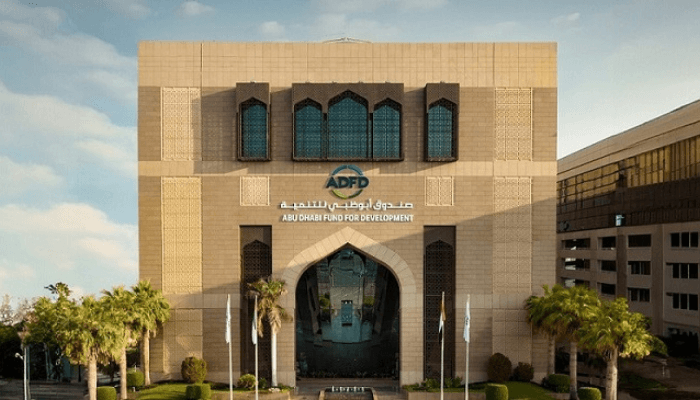
The Abu Dhabi Fund for Development (ADFD) is tightening oversight of large infrastructure projects across Africa as Gulf states intensify competition for strategic influence
The Abu Dhabi Fund for Development (ADFD) is tightening oversight of large infrastructure projects across Africa as Gulf states intensify competition for strategic influence, trade access and resilient logistics corridors amid growing geopolitical instability.
The renewed focus on monitoring implementation comes as African economies, including South Africa, face mounting concerns over supply chain disruptions linked to conflict in the Strait of Hormuz, rising protectionism and intensifying rivalry between global powers over key shipping and transport routes.
The United Arab Emirates (UAE) development financier said three flagship road projects in Togo, Madagascar and Nigeria were progressing steadily, with completion rates ranging between 45% and 92%.
For South Africa, which relies heavily on maritime trade and regional transport systems, infrastructure investment elsewhere on the continent has growing implications for intra-African trade, logistics competitiveness and the future of the African Continental Free Trade Area.
The projects form part of Abu Dhabi’s broader infrastructure diplomacy strategy in Africa, where Gulf states are increasingly investing in transport, logistics and energy systems to secure trade access, strengthen political alliances and expand economic influence.
Commenting on the progress of the ADFD, His Excellency Mohammed Saif Al Suwaidi, the director-general, said: “Our efforts reflect the fund’s mission to support partner countries in developing their infrastructure and stimulating economic growth, reinforcing ADFD’s role as an extension of the UAE’s vision in creating sustainable development impact that benefits communities and enhances quality of life.”
The projects are aligned with the UAE’s broader development agenda aimed at strengthening infrastructure, stimulating economic growth and improving living standards in partner countries.
Analysts say Gulf investment in African transport infrastructure is becoming increasingly strategic as countries seek alternative trade routes and stronger commercial ties beyond traditional Western and Chinese partnerships.
South African policymakers and business leaders have repeatedly warned that weak infrastructure and port inefficiencies remain among the country’s biggest constraints to economic growth and regional trade competitiveness.
The latest World Bank and logistics industry assessments have shown that delays at South African ports continue to affect export performance, particularly in mining and agriculture, while neighbouring countries accelerate investments in transport corridors.
The World Bank’s Container Port Performance Index has historically placed major hubs like Durban, Cape Town and Ngqura in Algoa Bay at the bottom of global rankings. Recent private sector concessions and aggressive capital injections show tentative signs of a turnaround.
In Togo, rehabilitation of the 62km Sokodé–Bassar road has reached 92% completion. The project includes flood protection systems and road safety upgrades intended to improve transport links between the capital, Lomé, inland regions and neighbouring states. The ADFD has committed about R165 million (AED 37m) to the project.
In Madagascar, construction of a 117km dual carriageway and seven bridges is 80% complete. The fund said the project was expected to reduce transport costs, improve rural access to health and social services and support agriculture, tourism and industry.
The Madagascar development is being financed through a concessional loan exceeding R500m (AED 110m).
Nigeria’s Minna–Bida road project in Niger State — ADFD’s first development project in the country — has reached 45% completion. Backed by more than R700m (AED 165m) in financing, the 82km road is expected to halve travel times between the two cities and cut vehicle operating costs by nearly a third.
The UAE has steadily expanded its development financing footprint across Africa over the past decade, positioning infrastructure investment as both an economic and diplomatic tool as competition for influence on the continent intensifies.
The ADFD said continued oversight of implementation phases was intended to ensure “sustainable and measurable outcomes” across Africa.