
Published on
June 21, 2026

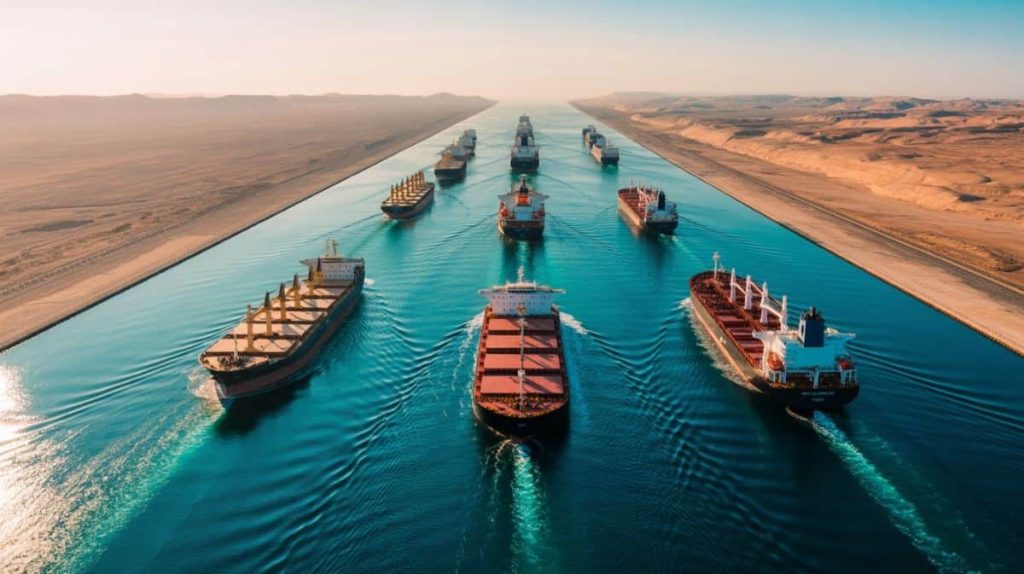
Image generated with Ai
UAE joins Qatar, Saudi Arabia, Oman, Bahrain, Kuwait, Singapore and other global destinations as Iran threatens Strait of Hormuz closure and US-Iran talks in Switzerland continue, raising concerns over aviation, tourism and global travel connectivity. The developments have intensified attention on one of the world’s most important energy and shipping corridors, with implications for airline operations, fuel costs and international travel networks. Major Gulf hubs and long-haul routes linking Europe, Asia and Africa are closely monitoring the situation. Global tourism and aviation sectors face increased uncertainty as airlines, destinations and travellers assess potential impacts on connectivity and travel demand.
UAE Strengthens Its Position as a Global Aviation and Tourism Hub Amid Strait of Hormuz Concerns

Image generated with Ai
The United Arab Emirates remains one of the world’s most connected travel markets and a major gateway linking Europe, Asia and Africa. According to the Federal Competitiveness and Statistics Centre and Dubai Department of Economy and Tourism, the country continued to experience strong visitor demand in 2025 and early 2026, supported by Emirates, Etihad Airways and flydubai. Dubai International Airport maintained its position among the world’s busiest international airports. Because the UAE sits close to the Strait of Hormuz, developments affecting regional shipping, fuel markets and airspace conditions have direct implications for airline operations, aviation costs and international tourism demand.
- UAE remains a leading global aviation hub.
- Dubai International Airport is among the world’s busiest.
- Emirates and Etihad support extensive connectivity.
- Tourism diversification continues under national strategies.
- Fuel price volatility affects airline costs.
| UAE Tourism and Aviation Indicators | Latest Status |
|---|---|
| Main Airports | Dubai, Abu Dhabi |
| Major Airlines | Emirates, Etihad, flydubai |
| Key Markets | Europe, Asia, Africa |
| Tourism Strategy | UAE Tourism Strategy 2031 |
| Exposure to Strait of Hormuz | High |
Qatar Continues Expanding International Connectivity Through Doha

Image generated with Ai
Qatar remains heavily dependent on international connectivity through Hamad International Airport and Qatar Airways. The country has strengthened tourism diversification under the National Tourism Strategy and continues attracting stopover visitors and long-haul travellers. According to Visit Qatar and the Planning and Statistics Authority, tourism growth remains linked to stable aviation operations and efficient global connections. As one of the world’s largest exporters of liquefied natural gas, Qatar’s economy and tourism sector are closely linked to maritime trade routes through the Gulf region. Regional disruptions may affect transport costs and international travel patterns.
- Hamad International Airport serves as a major transit hub.
- Qatar Airways operates extensive global routes.
- Tourism diversification remains a priority.
- LNG exports depend on Gulf shipping routes.
- International connectivity supports visitor growth.
| Qatar Indicators | Status |
|---|---|
| Main Hub | Hamad International Airport |
| Flag Carrier | Qatar Airways |
| Tourism Authority | Visit Qatar |
| Major Economic Sector | LNG Exports |
| Exposure Level | High |
Saudi Arabia Accelerates Tourism Expansion Through Vision 2030

Image generated with Ai
Saudi Arabia continues investing heavily in tourism development under Vision 2030. According to the Ministry of Tourism and Saudi Tourism Authority, destinations including Riyadh, Jeddah, AlUla and the Red Sea Project have expanded international appeal. Saudia, Riyadh Air and major airports are supporting growing visitor volumes. The Kingdom’s position as a leading energy producer means developments around the Strait of Hormuz and Gulf maritime traffic have broader implications for transportation and travel costs. Maintaining stable air services and tourism infrastructure remains important for achieving long-term visitor targets.
Advertisement
Advertisement
- Vision 2030 prioritises tourism growth.
- Major projects include Red Sea and AlUla.
- Aviation infrastructure continues expanding.
- Saudi Arabia remains a major oil producer.
- Travel demand depends on stable connectivity.
| Saudi Arabia Tourism Factors | Details |
|---|---|
| Tourism Programme | Vision 2030 |
| Major Destinations | Riyadh, Jeddah, AlUla |
| Airlines | Saudia, Riyadh Air |
| Main Sector | Energy and Tourism |
| Exposure Level | High |
Oman Supports Maritime and Tourism Connectivity Across the Gulf Region

Image generated with Ai
Oman occupies a strategic position linking the Arabian Sea with Gulf trade routes. According to the Ministry of Heritage and Tourism and National Centre for Statistics and Information, Muscat and Salalah continue attracting international visitors. Cruise tourism and port activity contribute significantly to the economy. Oman also benefits from access outside the Strait of Hormuz through ports facing the Arabian Sea. The country’s tourism strategy focuses on sustainable growth and diversified experiences. Aviation and maritime stability remain important for maintaining international visitor arrivals and cruise schedules.
- Oman benefits from Arabian Sea access.
- Muscat and Salalah attract leisure visitors.
- Cruise tourism supports the economy.
- Tourism diversification continues.
- Port infrastructure enhances connectivity.
| Oman Tourism Profile | Details |
|---|---|
| Main Cities | Muscat, Salalah |
| Tourism Authority | Ministry of Heritage and Tourism |
| Major Segment | Cruise Tourism |
| Maritime Access | Arabian Sea |
| Exposure Level | Moderate |
Bahrain Relies on Regional Aviation and Business Travel Networks

Image generated with Ai
Bahrain’s tourism and aviation sectors remain closely linked to Gulf connectivity. Bahrain International Airport and Gulf Air provide links across Europe, Asia and the Middle East. According to Bahrain Tourism and Exhibitions Authority, business travel and events remain key contributors to visitor demand. The country’s strategic location and economic integration with neighbouring Gulf markets make stable transportation systems essential. Any increase in fuel prices or disruption to regional trade routes can affect operating costs and travel demand.
Advertisement
Advertisement
- Bahrain depends on aviation connectivity.
- Gulf Air supports international access.
- Business tourism remains important.
- Regional integration supports travel demand.
- Fuel costs influence airline operations.
| Bahrain Tourism Indicators | Status |
|---|---|
| Main Carrier | Gulf Air |
| Airport | Bahrain International Airport |
| Key Segment | Business Tourism |
| Tourism Authority | BTEA |
| Exposure Level | High |
Kuwait Maintains Strong Regional Connectivity Through Air Transport

Image generated with Ai
Kuwait’s aviation network supports both leisure and business travel. Kuwait International Airport remains the country’s primary gateway, while Kuwait Airways and Jazeera Airways provide international services. According to Kuwait Central Statistical Bureau and Ministry of Information, tourism development continues alongside broader economic diversification efforts. Because Kuwait relies heavily on Gulf trade routes, fluctuations in energy markets and shipping movements have implications for transportation costs and airline operations.
- Kuwait International Airport is the primary hub.
- National carriers connect major destinations.
- Tourism diversification is ongoing.
- Regional trade influences transportation.
- Fuel prices affect airline costs.
| Kuwait Tourism Profile | Details |
|---|---|
| Main Airport | Kuwait International Airport |
| Airlines | Kuwait Airways, Jazeera Airways |
| Tourism Sector | Developing |
| Economic Driver | Energy |
| Exposure Level | High |
Singapore Serves as a Key Asian Aviation and Maritime Gateway

Image generated with Ai
Singapore remains one of Asia’s most important aviation and logistics centres. Changi Airport and Singapore Airlines support extensive international connectivity. According to the Singapore Tourism Board and Department of Statistics Singapore, tourism recovery and visitor arrivals strengthened in 2025 and early 2026. As one of the world’s leading maritime centres and refining hubs, Singapore monitors developments affecting shipping routes and fuel markets. Stable air services and competitive travel costs remain essential to maintaining visitor demand.
Advertisement
Advertisement
- Singapore is a global aviation hub.
- Changi Airport supports international connectivity.
- Maritime trade contributes to the economy.
- Tourism recovery continues.
- Energy prices influence travel costs.
| Singapore Indicators | Status |
|---|---|
| Main Airport | Changi Airport |
| National Carrier | Singapore Airlines |
| Tourism Authority | Singapore Tourism Board |
| Economic Role | Aviation and Shipping |
| Exposure Level | Moderate |
Strait of Hormuz Remains One of the World’s Most Important Energy and Trade Corridors
According to the U.S. Energy Information Administration (EIA), approximately one-fifth of globally traded petroleum liquids pass through the Strait of Hormuz, making it one of the most important maritime chokepoints. The waterway connects the Persian Gulf with international markets and supports energy exports from several Gulf countries. Changes affecting this corridor can influence fuel prices, transportation costs and airline operating expenses worldwide. Because aviation fuel is linked to energy markets, fluctuations can affect ticket prices and travel demand.
- Around 20% of global petroleum trade passes through the Strait.
- Gulf countries rely on maritime exports.
- Fuel costs influence aviation economics.
- Transport networks are interconnected.
- Global trade depends on maritime stability.
| Strait of Hormuz Facts | Details |
|---|---|
| Global Petroleum Share | Around 20% |
| Region Connected | Persian Gulf |
| Key Impact | Fuel Prices |
| Global Importance | High |
Global Aviation Connectivity Depends on Stable Energy Markets and International Transport Networks
International aviation remains closely connected to fuel prices and operational stability. According to the International Air Transport Association (IATA), fuel continues to represent one of the largest airline expenses. Gulf hubs such as Dubai, Doha and Abu Dhabi support millions of international passengers and long-haul routes connecting Europe, Asia and Africa. Maintaining efficient transport corridors remains essential for airlines, airports and tourism industries. Air connectivity directly influences destination competitiveness and visitor flows.
- Fuel is a major airline operating cost.
- Gulf hubs support global connectivity.
- Airlines depend on efficient transport systems.
- Aviation influences tourism growth.
- Stable operations support international travel.
| Aviation Connectivity Factors | Impact |
|---|---|
| Fuel Costs | High |
| Hub Airports | Critical |
| International Routes | Extensive |
| Tourism Dependence | Significant |
| Operational Stability | Essential |
Tourism and Travel Sectors Face Challenges From Rising Airfares and Connectivity Risks
Tourism and travel industries are highly sensitive to changes in transport costs and airline schedules. Destinations across the Gulf, Asia and Europe rely on extensive aviation networks for visitor arrivals. According to UN Tourism and IATA, higher operating costs and network disruptions can influence travel demand and encourage travellers to seek alternative destinations or shorter trips. Cruise tourism, business travel and long-haul leisure markets are particularly exposed to fluctuations in transport economics. Strong connectivity and diversified tourism products help destinations maintain competitiveness and resilience.
- Airfares influence tourism demand.
- Long-haul routes are sensitive to fuel costs.
- Business travel depends on connectivity.
- Cruise tourism relies on maritime stability.
- Diversification strengthens resilience.
| Tourism Impact Area | Effect |
|---|---|
| Airfares | Higher Costs |
| Long-Haul Travel | Increased Sensitivity |
| Cruise Tourism | Operational Risks |
| Business Travel | Connectivity Dependent |
| Destination Competitiveness | Influenced by Access |
Conclusion
As US-Iran talks in Switzerland continue, the situation surrounding Iran’s threat of a Strait of Hormuz closure remains closely watched by the aviation, tourism, and travel industries. UAE, Qatar, Saudi Arabia, Oman, Bahrain, Kuwait, Singapore and other global destinations depend heavily on stable air and transport networks to sustain international visitor flows and global travel connectivity. While airlines and destinations continue to operate normally, concerns over fuel costs, route stability and regional security underline the importance of maintaining uninterrupted connections. The evolving developments highlight how geopolitical tensions can influence aviation, tourism, and broader global travel connectivity.
Advertisement
Advertisement
