
Published on
June 12, 2026

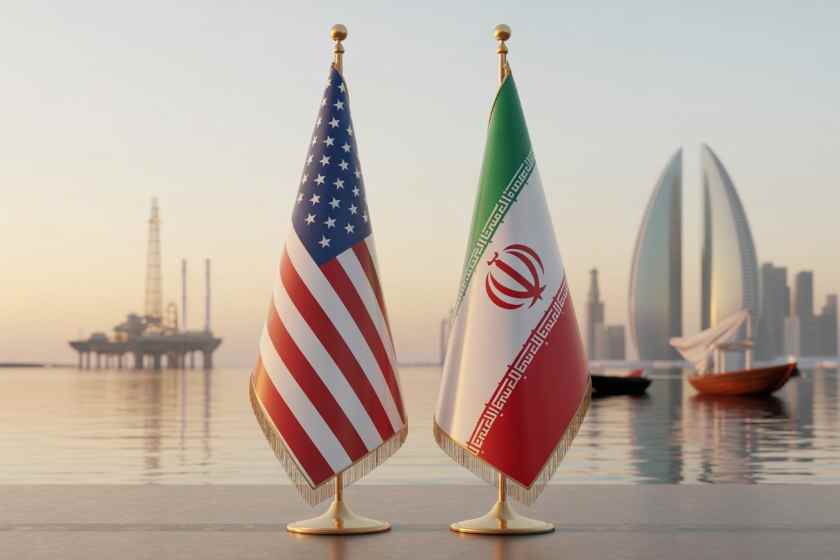
Image generated with Ai
UAE Joins Egypt, Jordan, Turkey, Saudi Arabia, Qatar, Oman, Bahrain, Kuwait, Israel, India, United Kingdom, Germany, France, Italy, Singapore, Thailand, Malaysia, Indonesia, Philippines, Japan, South Korea and Others as U.S.-Iran Diplomacy Replaces Planned Strikes and Puts Gulf Travel in Focus.
UAE is now joining with Egypt, Jordan, Turkey, Saudi Arabia, Qatar, Oman, Bahrain, Kuwait, Israel, India, United Kingdom, Germany, France, Italy, Singapore, Thailand, Malaysia, Indonesia, Philippines, Japan, South Korea and Others as U.S.-Iran Diplomacy Replaces Planned Strikes and Puts Gulf Travel in Focus. UAE and the wider Gulf region are once again at the centre of global travel discussions after a dramatic diplomatic shift between the United States and Iran reduced immediate concerns about a broader regional escalation. Just days after military tensions intensified across strategic maritime corridors, Washington announced that planned military strikes against Iran had been cancelled, while negotiations toward a potential agreement accelerated. The developments are being closely watched by airlines, cruise operators, tourism authorities, hotel groups, and travelers whose journeys depend on the stability of some of the world’s busiest aviation and maritime routes.
For tourism markets across the Gulf, the significance extends far beyond diplomacy. The region is home to major international airports, global airline hubs, luxury tourism destinations, cruise terminals, and critical shipping lanes that support travel, hospitality, and trade. As negotiations continue, travel stakeholders are assessing what the latest developments could mean for visitor confidence, flight operations, cruise itineraries, and regional tourism growth.
Planned Military Strikes Called Off
The most immediate development came when U.S. President Donald Trump announced that planned military strikes against Iran had been canceled following progress in negotiations between the two sides. The decision came after a period of heightened tension that had raised concerns across aviation, tourism, and maritime industries throughout the Middle East.
The cancellation followed reports that discussions had advanced toward what the U.S. administration described as a major settlement framework. The move immediately shifted attention from military escalation toward diplomacy, reducing uncertainty surrounding travel routes that connect Europe, Asia, Africa, and the Middle East.
Advertisement
Advertisement
For travelers planning trips to Dubai, Abu Dhabi, Doha, Muscat, Manama, Riyadh, Jeddah, and other regional destinations, the announcement represented a significant change in the regional travel narrative.
A Potential Agreement Draws Global Attention
According to U.S. officials, a memorandum of understanding or broader settlement framework is being prepared and could potentially be signed in Europe in the coming days. American officials have indicated that key elements of the proposed arrangement have received support at senior leadership levels.
Advertisement
Advertisement
However, Iranian officials have adopted a more cautious position. Tehran has stated that no final decision has yet been made and that discussions remain under review by relevant authorities. Iranian representatives have emphasized that negotiations continue and that important issues remain unresolved.
This difference in messaging means that tourism stakeholders continue to monitor developments closely. While optimism has increased in parts of the travel industry, airlines and tour operators are still awaiting formal confirmation of any final agreement.
Why Tourism Is Watching the Strait of Hormuz
For travelers, one of the most important aspects of the negotiations involves the Strait of Hormuz.
The waterway remains one of the world’s most strategically important maritime corridors. While often discussed in energy and trade contexts, it also plays an indirect but significant role in tourism. Airline operating costs, regional economic stability, cruise operations, and broader travel confidence are all influenced by conditions around the Strait.
Recent tensions led to concerns among tourism businesses throughout the Gulf. Hotels, airlines, destination management companies, and event organizers closely monitored developments as governments issued travel advisories and maritime operators adjusted procedures.
Any long-term reduction in tensions could help stabilize travel planning across the region and support tourism growth during the remainder of 2026.
Advertisement
Advertisement
Gulf Aviation Hubs Remain Critical to Global Travel
The Gulf region serves as one of the world’s most important aviation crossroads.
Major airports in Dubai, Abu Dhabi, Doha, Riyadh, Jeddah, Muscat, and Bahrain connect passengers across multiple continents every day. Millions of travelers transit through these hubs while traveling between Europe, Asia, Africa, Australia, and North America.
During periods of regional tension, aviation planners often review routing strategies, contingency plans, and operational procedures. While commercial aviation across the Gulf has continued functioning, diplomatic progress could reduce operational uncertainty for airlines and travelers alike.
The region’s role as a transit gateway means developments involving the United States and Iran often attract attention well beyond the Middle East. Tourism flows from India, Southeast Asia, Europe, and Australia frequently pass through Gulf airports, making regional stability an important factor for international travel networks.
Maritime Incidents Highlight Regional Risks
Even as diplomatic efforts advanced, maritime activity remained under scrutiny.
The U.S. naval blockade remains in effect pending finalization of any agreement. Reports indicate that commercial vessels operating in the Gulf of Oman were affected by military activity during the recent escalation. Incidents involving vessels with Indian crew members resulted in civilian casualties, drawing international attention to the risks faced by commercial maritime traffic in the region.
Advertisement
Advertisement
Although tourism vessels were not the focus of these incidents, cruise operators, marine tourism companies, and maritime travel providers continue to monitor conditions carefully.
The Gulf of Oman and surrounding waters are important for cruise tourism, yacht tourism, and regional maritime travel, particularly during peak travel seasons.
Tourism Destinations Continue Operations
Despite the geopolitical developments, tourism activity across the Gulf has continued.
The UAE remains one of the world’s busiest international tourism destinations, attracting visitors through Dubai, Abu Dhabi, Sharjah, and Ras Al Khaimah. Saudi Arabia continues expanding its tourism sector through large-scale destination developments and cultural tourism initiatives.
Qatar remains a leading aviation and hospitality hub, while Oman continues attracting visitors through nature tourism, coastal experiences, and heritage destinations. Bahrain maintains its role as a regional leisure and business travel destination.
Hotels, attractions, shopping districts, convention centers, museums, and entertainment venues throughout these destinations continue operating normally.
Advertisement
Advertisement
For international visitors, travel experiences across the region remain largely focused on tourism activities rather than geopolitical developments.
Travel Industry Monitors Visitor Confidence
Tourism demand is often influenced by perceptions as much as by operational realities.
The possibility of a diplomatic breakthrough between Washington and Tehran has already generated significant attention among travel professionals. Airlines, tour operators, travel advisors, hotel groups, and destination marketing organizations are assessing how a reduction in regional tensions could influence traveler confidence during the second half of 2026.
Travel confidence remains particularly important for long-haul markets. Visitors planning trips months in advance frequently consider regional stability when selecting destinations and booking flights.
A successful agreement could help reinforce confidence in Gulf tourism markets that have continued investing heavily in infrastructure, aviation expansion, luxury hospitality, cultural tourism, and international events.
What Travelers Should Watch Next
For now, the focus remains on whether negotiations will result in a finalized agreement.
Advertisement
Advertisement
Travelers planning trips to the Gulf should continue monitoring airline notifications, government travel advisories, and official tourism information. Airlines continue operating throughout the region, while tourism authorities remain focused on welcoming visitors.
The next major milestone could be a formal signing ceremony, which U.S. officials say may take place in Europe if negotiations continue progressing. Iran, however, maintains that discussions are still under review and no final decision has been reached.
Until then, tourism stakeholders will continue balancing optimism with caution.
Conclusion
UAE Joins Egypt, Jordan, Turkey, Saudi Arabia, Qatar, Oman, Bahrain, Kuwait, Israel, India, United Kingdom, Germany, France, Italy, Singapore, Thailand, Malaysia, Indonesia, Philippines, Japan, South Korea and Others as U.S.-Iran Diplomacy Replaces Planned Strikes and Puts Gulf Travel in Focus. UAE and its neighbouring tourism markets are closely watching a rapidly evolving diplomatic process that has shifted the conversation from military escalation to potential cooperation. The cancellation of planned U.S. strikes, ongoing negotiations with Iran, and discussions surrounding a possible settlement have renewed attention on the future of travel across the Gulf.
For tourism, aviation, hospitality, and cruise sectors, the outcome could influence traveler confidence, airline operations, and regional connectivity. While the proposed agreement has not yet been finalised, the move toward diplomacy has already become one of the most closely watched developments affecting Middle East travel in 2026.

Advertisement
Advertisement
