
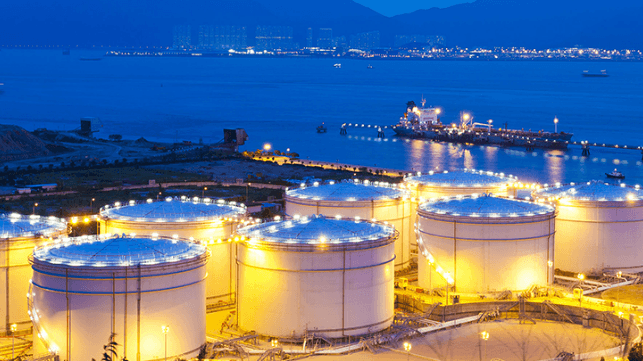
ADNOC, the Abu Dhabi state-owned energy company, reports it is working to accelerate development of a new oil pipeline that will double its export capacity and critically bypass the Strait of Hormuz. The UAE, which has been among the most targeted of Iran’s neighbors, looks to increase its independence and expand its oil exports while becoming less dependent on the Strait of Hormuz.
The company reports it conducted an Executive Committee meeting on Friday, May 15, during which the chairman of the committee, Abu Dhabi Crown Prince Sheikh Khaled bin Mohamed bin ?Zayed, directed the company “to accelerate delivery of the project.” The company reports construction is already underway on the new West-East Pipeline, which will transport crude oil to the port of Fujairah. The company said the project would double ADNOC’s export capacity through the port, while media reports say the project is believed to have a capacity for approximately 1.5 million barrels per day.
Abu Dhabi, like Saudi Arabia, has been depending on existing pipeline operations to maintain portions of its export capacities. The UAE has been repeatedly targeted by Iran with strikes on its oil operations, including at the port of Fujairah. The country has not been able to get tankers out via the Strait of Hormuz.
The UAE had previously said it was working to expand its production capacity and, early in May, reported it had officially resigned from OPEC and OPEC+ (Organization of Petroleum Exporting Countries). Officially, it said it was seeking greater freedom, while analysts reported it was a move to exceed the current production quota dictated by OPEC, which is just under 3.5 million barrels per day for Abu Dhabi. The UAE had said it was increasing its capabilities to 4.85 million barrels per day.
ADNOC has operated a pipeline for more than a decade from Habshan to Fujairah. It was put into operation in 2012 and is reported to have a capacity of approximately 1.5 million barrels per day. Since the outbreak of hostilities and the blockade of the Strait, ADNOC is reported to be running the pipeline at around 1.7 to 1.8 million barrels per day.
Fujairah, critically, is on the eastern shore of the UAE, accessed by the Gulf of Oman and below the Strait of Hormuz. While it continues to be a target, tankers can access the port without transiting the Strait. The company says it expects the new pipeline to be operational in 2027.

Stay on Top of the Daily Maritime News
The maritime news
that matters most
Get the latest maritime news delivered to your inbox daily.
Executives at Saudi Arabia’s Aramco have called its pipeline, which runs to the Red Sea, a “critical lifeline” during the current crisis. Reuters reports it is moving 7 million barrels per day through the pipeline, permitting Saudi Arabia to maintain about 60 percent of its pre-war exports.
With the fate of the Strait of Hormuz uncertain and Iran asserting it will retain control, Saudi Arabia and Abu Dhabi/UAE will be the only two countries with the ability to bypass the Strait of Hormuz.