
If you’re seeing red right now, it could mean something quite different in China than it does in the West.
Most brands are aware of the significance of the auspicious colour in China, wrapping their gift packs and Lunar New Year products in vibrant shades of red. But it pays to think more deeply about colours and how they emotionally connect with different Chinese consumer groups.
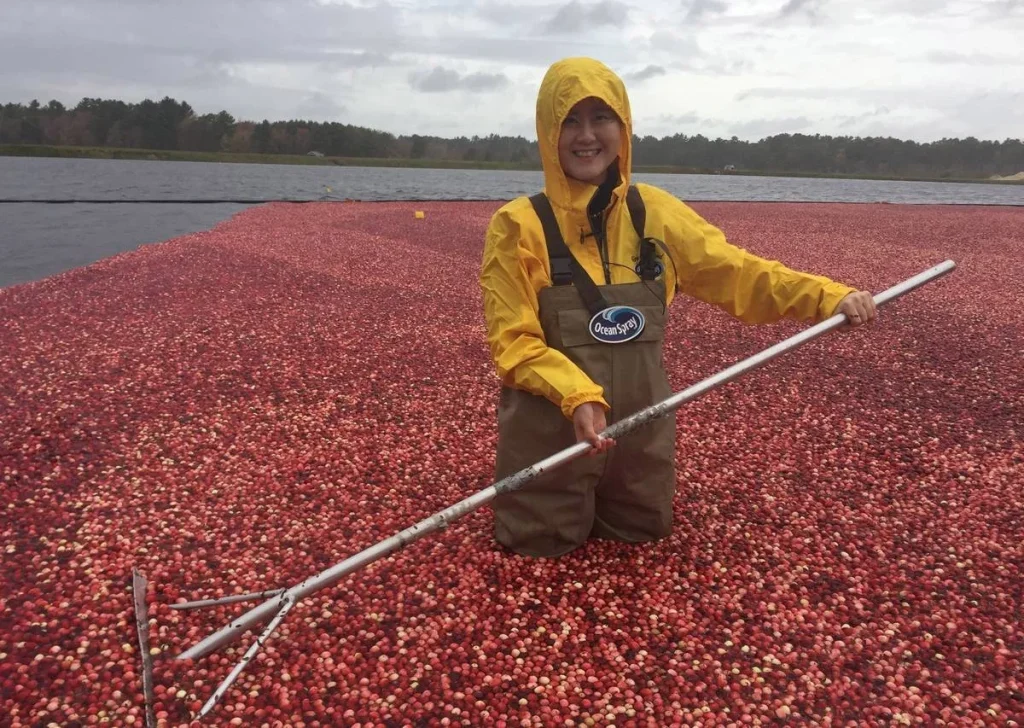
Ocean Spray is a good example. The brand’s flagship cranberry juice entered China in the early 2000s, selling into a market that was largely unfamiliar with cranberries – awareness was reportedly just 4% in 2013. Long before every FMCG brand was leaning into wellness positioning in China, Ocean Spray localised its messaging away from being just a Western fruit juice, toward functional health benefits. It also embraced livestreaming and KOLs relatively early, flying Chinese influencers to US cranberry bogs during harvest season.
Its latest localisation play may prove its more impactful yet. Ocean Spray’s studies reportedly found Chinese consumer preferences differed notably from other markets, particularly around taste and colour. Despite cranberry juice already having a deep ruby-red hue, Ocean Spray has released a brighter red version for China.
That makes sense. Red is an emotional and cultural amplifier in China, with its influence stretching far beyond products, weddings, celebrities and Chinese Communist Party associations. One quirk that regularly surprises foreigners is financial markets: while red signals falling prices and losses in most Western markets, it represents rising prices and positive performance in China.
We even suspect one of the reasons Star Wars never became a deep cultural phenomenon in China is because all of the bad guys wield red lightsabres.
Yet while red remains China’s most powerful colour, associations are becoming increasingly nuanced and fragmented.
Among China’s rapidly growing elderly population, traditional colour meanings are still more likely to hold true. For example, while green packaging may signal health and sustainability to younger consumers, some older consumers still associate green with infidelity due to the long-standing phrase “wearing a green hat.”
Younger generations, however, are far more open to new colour systems – particularly the bold “dopamine colours” increasingly appearing across consumer brands. The rise of China’s emotional economy has shifted the role colours play and the feelings they are expected to evoke. Pink, for instance, is no longer confined to cute or feminine positioning, and is increasingly appearing in male-oriented products and branding.
At the same time, younger consumers are also reconnecting with Chinese heritage and traditional aesthetics, meaning classic colour associations still hold strong.
Despite all of this, the growing popularity of white wine in China’s historically red wine-dominated market highlights how consumer decision-making is becoming more multidimensional than simply choosing based on traditional colour symbolism alone.
The long and short of it is colours like red still exert a powerful pull in China, while less traditional colour associations are becoming increasingly accepted, allowing brands to stand out more effectively on shelves and screens. But foreign brands should not underestimate how differently colours can still be interpreted in China compared to Western markets.
Getting colour right or wrong can have a real impact on sales. Ideally, brands should test colours, packaging and communications directly with their Chinese target audiences before going too deep. China Skinny can help with that.