
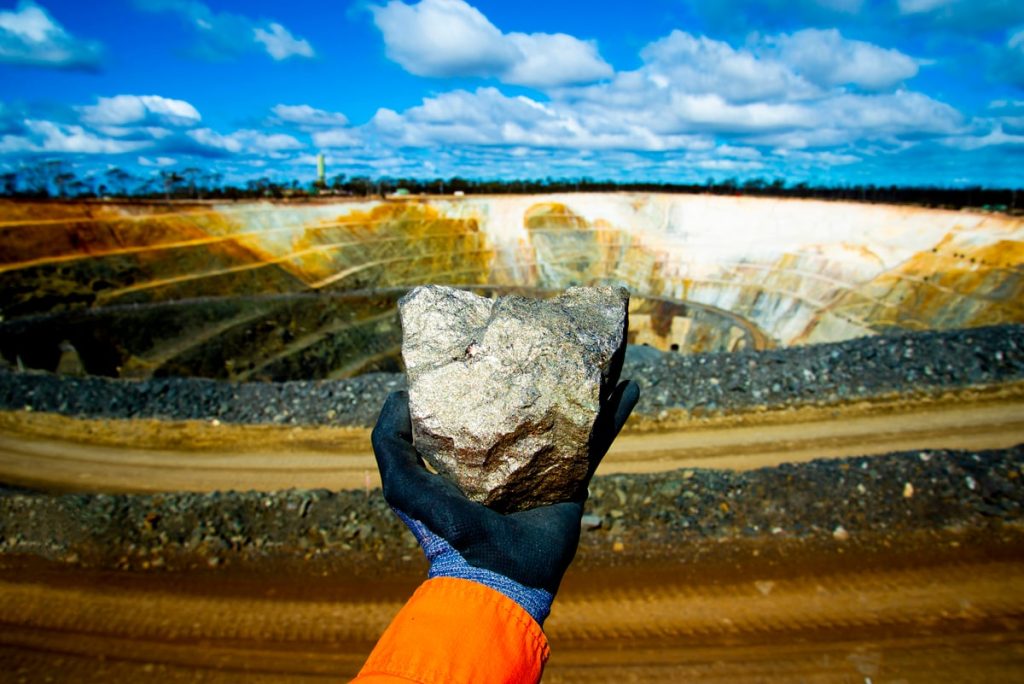
On June 22, China added 10 U.S. companies to its export-control list, including rare-earth mining companies MP Materials (MP 0.97%) and USA Rare Earth (USAR 2.11%). Both stocks are up over the past five days, despite the news.
The restrictions are designed to stop dual-use item exports from China from reaching the companies. While the news appears negative on its face, the market often interprets these actions as a long-term validation of the companies’ strategic importance and a catalyst for increased domestic government support.
Here are two reasons why the two mining stocks are climbing, and one reason to be cautious.
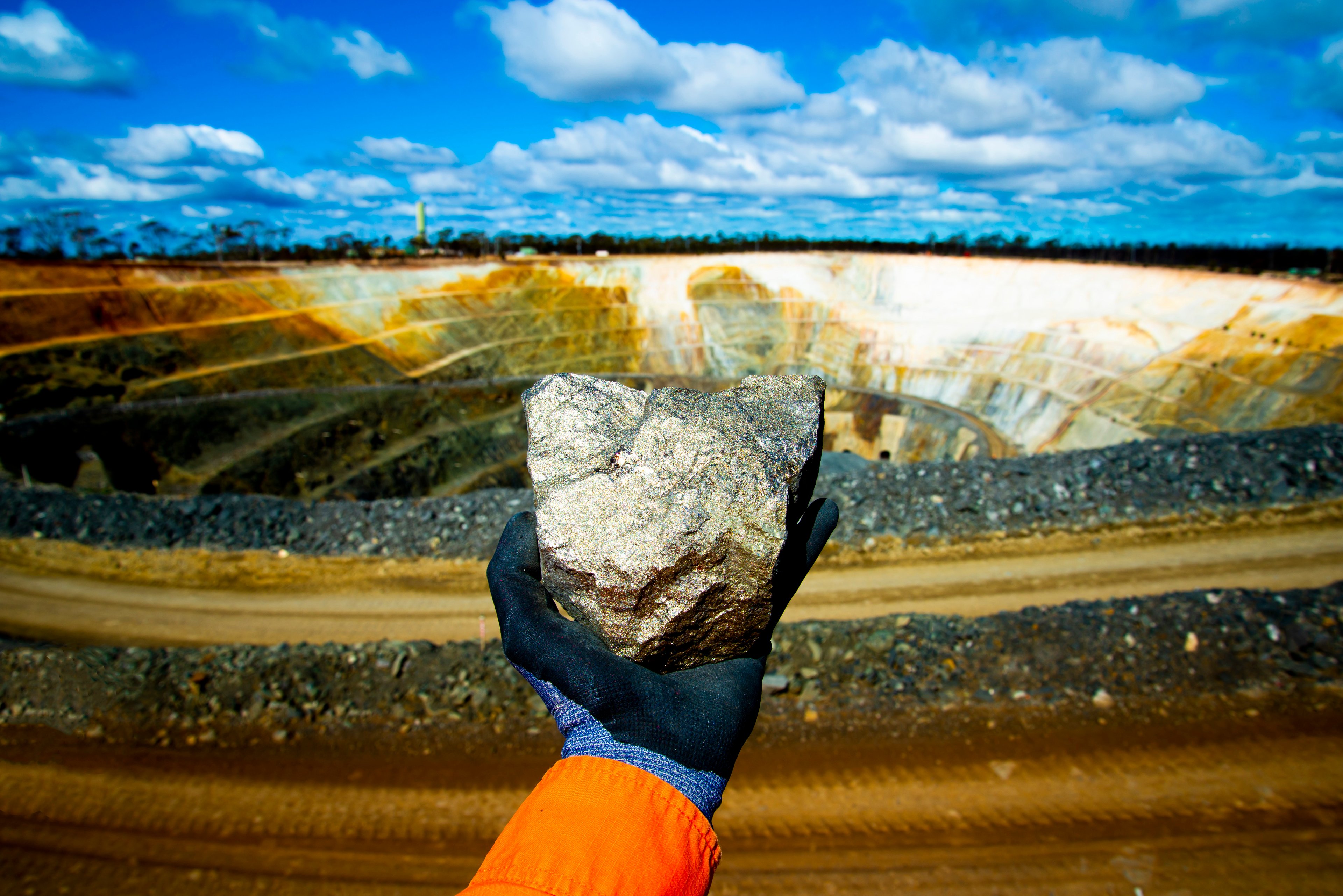
Image source: Getty Images.
The move is proof of strategic necessity
China’s decision to blacklist these firms serves as official confirmation that they are the primary credible threats to China’s near-monopoly on rare-earth supply chains. For investors, this serves as a seal of approval, indicating that the companies have reached a level of operational maturity sufficient to disrupt Beijing’s leverage.
While sanctions introduce operational hurdles, they paradoxically lower the risk that these companies will be undercut by state-subsidized Chinese imports in the future.
Retaliatory actions from China often accelerate the release of federal grants, low-interest loans, and Department of Defense (DoD) contracts. For instance, both companies have already secured massive backing, including a $400 million DoD investment in MP Materials and $1.6 billion in Commerce Department funding for USA Rare Earth to insulate them from Chinese supply disruptions.

Today’s Change
(-0.97%) $-0.59
Current Price
$60.29
Key Data Points
Market Cap
$11B
Day’s Range
$59.37 – $63.14
52wk Range
$29.58 – $100.25
Volume
33.2K
Avg Vol
6.2M
Gross Margin
8.12%
The supply chain decoupling has already begun
The practical impact of these specific bans is often limited or symbolic. Both companies have spent the past year aggressively de-risking their supply chains. MP Materials and USA Rare Earth have largely transitioned away from relying on Chinese-sourced equipment or dual-use precursors.
Because they operate outside the Chinese-controlled ecosystem, they are increasingly able to command premium prices for non-China-certified rare-earths, which are in high demand among defense contractors and Western electric vehicle manufacturers subject to new trade regulations.
The move by China is also a reaction to the G7 agreement last week to cap rare-earth reliance on non-partner countries to below 60% by 2030.

Today’s Change
(-2.11%) $-0.52
Current Price
$24.12
Key Data Points
Market Cap
$5.4B
Day’s Range
$23.84 – $26.07
52wk Range
$9.32 – $43.98
Volume
179.6K
Avg Vol
16.8M
Gross Margin
-4527.99%
Still, there are concerns
The operational reality remains challenging. Investors must weigh the long-term strategic support against potential near-term headwinds.
If these firms are barred from accessing specialized Chinese-made processing equipment or dual-use parts, they may face higher capital expenditures or project delays as they scramble to find alternative (often more expensive) suppliers.
On top of that, neither of the two companies is close to being profitable, and they’re just beginning to ramp up production. MP Materials, in its first quarter, reported $90.6 million in revenue, up 49%, year over year, thanks to increased sales of NdPr oxide and metal, used in rare-earth magnets, but it had an earnings per share (EPS) loss of $0.04, compared to a loss of $0.12 in the same quarter in 2025.
USA Rare Earths’ Round Top project in Texas isn’t fully operational. It just commissioned a hydrometallurgical demonstration facility in Colorado, with production of separated oxides expected by the third quarter of the year. In the first quarter, the company had no revenue in the first quarter to go with its EPS loss of $0.34.