
Dive Brief:
- Nike is resetting its online distribution in China to resolve a presence that has “become too fragmented,” Cathy Sparks, Nike’s head of Greater China, said in a company post Tuesday.
- Come January, Nike’s online experience in China will rest within official Nike channels, including the Nike app and website, and Nike flagship experiences on Tmall, JD.com and Douyin. The rest will close down.
- Currently, there are more than 1,000 Nike digital storefronts across China’s digital marketplace platforms. Many, but not all, of those are run by 16 Nike partners who use Nike stores to fulfill online orders, according to the company.
Dive Insight:
Nike is taking dramatic action to reset its distribution in China, a region that has dragged down the company’s results and extended its turnaround timeline.
In the company’s latest quarter, Greater China revenues declined 12% and were down 11% for the year. The retailer changed leadership of the region in January, putting Sparks at the helm. Since then, she has “traveled extensively” in Greater China and “spent hundreds of hours” exploring shopping streets, malls, consumers and meeting with employees in the region.
“Our connection with athletes remains strong, but the marketplace is not where it needs to be,” Sparks wrote in her post. “Consumers expect authentic product, consistent storytelling and a seamless experience across every touchpoint.”
As such, Nike is leaning into a few of its digital partners and clearing out the rest of its digital distribution, with the goal of presenting a more elevated and consistent brand experience. At the same time, Nike has named its first vice president of local product creation for Greater China and the first product from that team will be available this holiday season.
“This is not a retreat from digital commerce or wholesale,” a company spokesperson told Retail Dive. The company plans to work with its Nike partners in China to “unify and elevate the experience to one that is brand right.”
Topsports International Holdings is one of the impacted partners. The company said in a press release that online sales of Nike products accounted for 22% of total revenue in its latest fiscal year, and the short-term impact of the change would be “significant.”
BNP Paribas Equity Research senior analyst Laurent Vasilescu estimates that Topsports represents half of Nike’s China wholesale revenues; the analyst noted that Pou Sheng, Nike’s second largest distributor, is also being cut off from online sales.
“Nike has a product problem. The decision to terminate this very important channel is a strategic misstep in our view,” Vasilescu said, noting that many Chinese consumers shop wholesale online and it’s a “crucial channel” for excess inventory. “This official decision reminds us of when Nike decided to exit certain North American wholesale partners and it then ceded market share to competitors. We think the same will happen with the Topsports and Pou Sheng official news.”
In a statement in Nike’s press release, however, Topsports CEO Yu Wu said that the change would promote a “healthier, more orderly, and more sustainable retail ecosystem in China.”
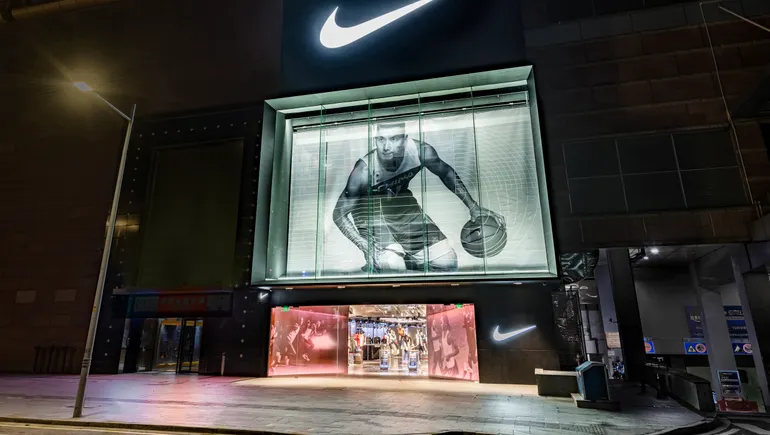
At the same time, Nike is investing in its store fleet in China, including through new concepts such as ACG Basecamp and Rookie Kids. The retailer is developing more “locally-led retail concepts” with its Nike partners, which will debut in the next six months. Those partners operate thousands of Nike stores in China and Nike will work with them “primarily on elevating the brick-and-mortar experience, which is where their expertise is,” per a company spokesperson.
Sparks attributed some of Nike’s challenges in China to decisions made in the pandemic era, around when John Donahoe became CEO.
“As consumer behavior shifted rapidly during and after COVID, some of the steps we took created an experience that is less consistent, less trusted and not delivering the growth we expect,” Sparks said.