
By Cepi Setiadi
Indonesia has begun importing crude oil from the United States as part of a broader effort to strengthen national energy security and diversify supply sources amid tightening global market conditions.
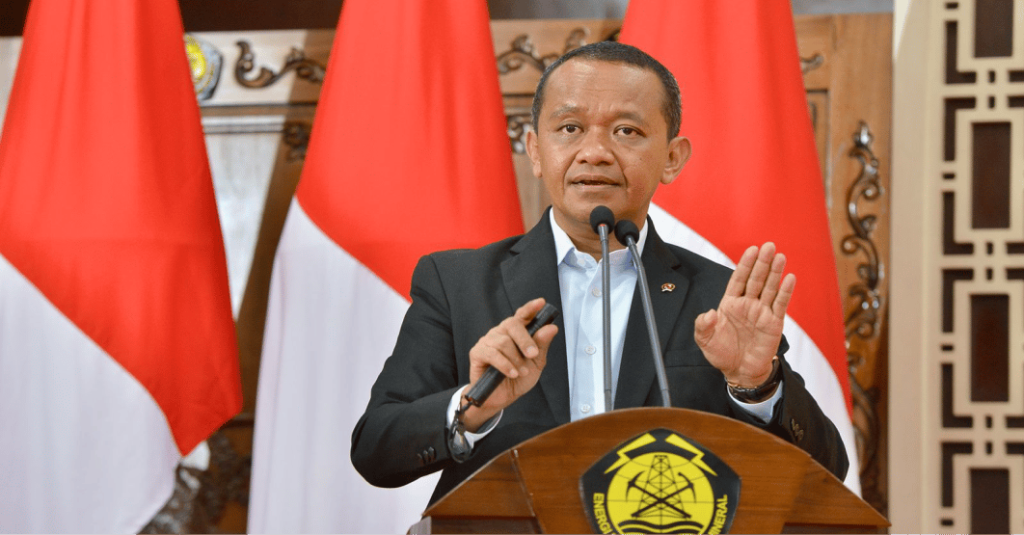
Energy and Mineral Resources (ESDM) Minister Bahlil Lahadalia confirmed that shipments from the U.S. are already underway, although he did not disclose specific volumes.
“Imports of crude oil from the United States have started,” Bahlil told reporters at the ESDM Ministry on Friday (April 10).
The move marks a continuation of the government’s earlier plan to shift part of its crude imports away from the Middle East, where geopolitical tensions have raised concerns over supply security—particularly along key transit routes such as the Strait of Hormuz. Previously, the government estimated that around 20–25% of Indonesia’s crude imports pass through the corridor.
Under the revised strategy, a portion of these volumes is being redirected to U.S. suppliers as a precautionary measure, reflecting Jakarta’s efforts to reduce exposure to regional risks while ensuring stable domestic fuel supply.
Read also : Indonesia weighs wider energy imports, including Russia
Bahlil said the policy also aligns with Indonesia’s commitment under the Agreement on Reciprocal Trade (ART), which includes provisions to increase energy imports from the United States.
Beyond the U.S., Indonesia remains open to sourcing crude from a wide range of suppliers, including Russia, as competition for cargoes intensifies in the global market.
“We should not be too selective. We can import from any country, as long as supply is secured,” Bahlil said, emphasizing the need for flexibility in procurement.
He noted that tightening supply and rising prices have made it increasingly difficult for buyers to secure shipments, even through formal tenders. Sellers, he added, tend to prioritize buyers willing to offer more competitive pricing.
“This shows that sellers will prioritize buyers offering higher prices. Therefore, the government is preparing several alternatives,” he said.
The minister reiterated that ensuring domestic fuel availability remains the government’s top priority, particularly as geopolitical tensions and disruptions to key supply routes continue to reshape global energy trade flows.
Editing by Reiner Simanjuntak