
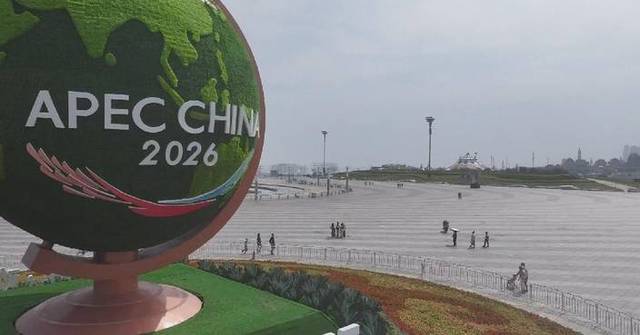
Senior officials from the Asia-Pacific Economic Cooperation (APEC) economies will gather in Guangzhou, south China’s Guangdong Province, next month for a meeting designed to strengthen cooperation and drive innovation among Small and Medium Enterprises (SMEs), authorities said on Monday.
The 32nd APEC SMEs Ministerial Meeting, scheduled for September 4 this year, serves as a key platform for setting directions, building consensus, and fostering practical cooperation for small and medium-sized businesses in the Asia-Pacific. It plays a vital role in advancing inclusive growth, innovation, and regional economic integration.
SMEs represent the largest and most vibrant business sector in the region, making significant contributions to innovation, employment, and livelihoods.
“We have been actively building government-level cooperation and communication platforms for SMEs, laying a solid foundation for international exchange and collaboration. To date, we have established 22 bilateral and multilateral SME cooperation mechanisms covering about 50 countries, providing regular official channels for cross-border exchanges, trade matchmaking, and project cooperation among SMEs,” said Ke Jixin, Vice Minister of Industry and Information Technology.
On the sidelines of the ministerial meeting, the 21st China International Small and Medium Enterprises Fair will take place. More than 500 high-quality overseas enterprises from over 40 countries, regions, and international organizations are expected to participate in the event, to showcase products spanning smart technology, biomedicine, cross-border services, and other sectors. The fair will offer a comprehensive snapshot of the innovation and trade potential of SMEs worldwide.
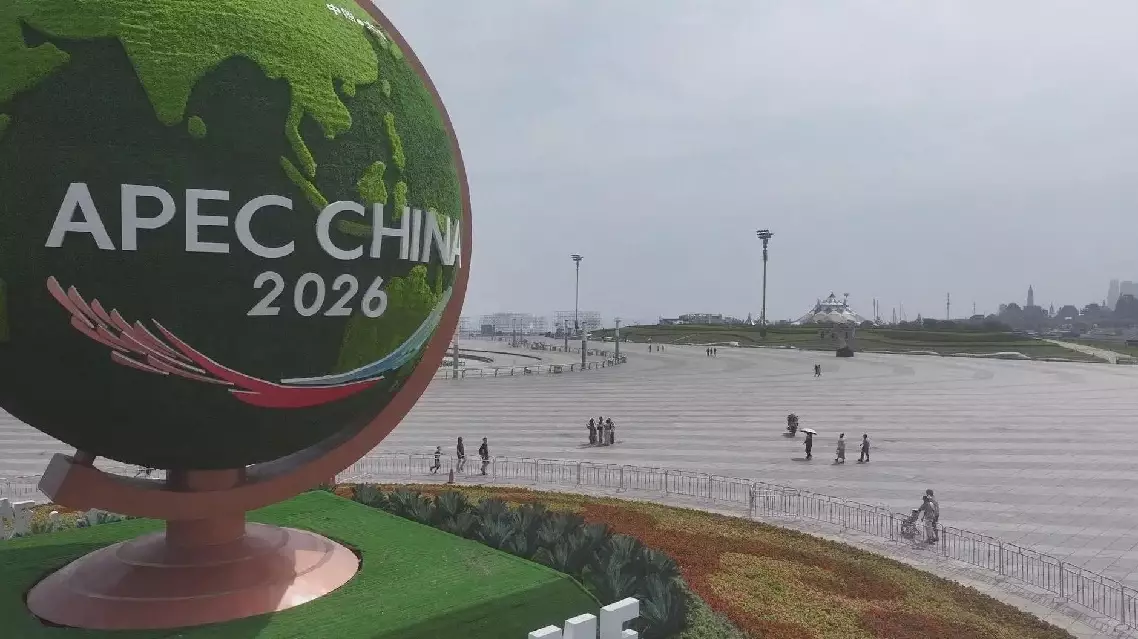
APEC ministers set for Guangzhou meeting on SMEs cooperation
U.S. stocks closed mixed on Monday as a sharp sell-off in semiconductor equities dragged down the technology sector, while investors digested new U.S. economic sanctions announced against Iran and fresh trade tariff warnings targeting Canada.
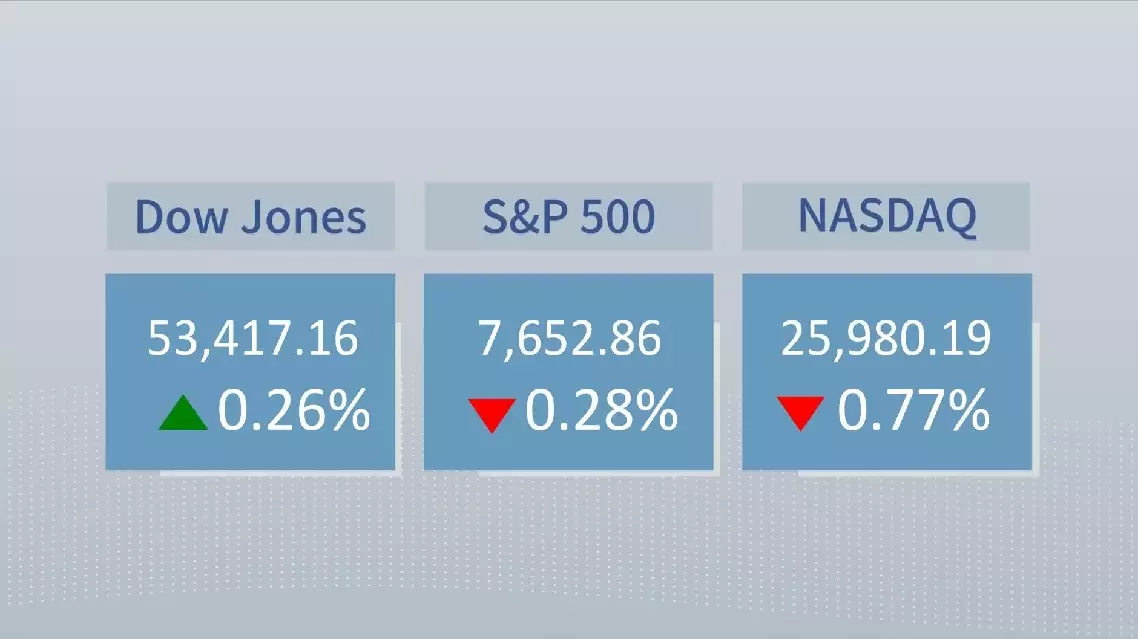
The Dow Jones Industrial Average rose 140.15 points, or 0.26 percent, to 53,417.16. The S and P 500 sank 21.51 points, or 0.28 percent, to 7,652.86. The Nasdaq Composite Index shed 200.264 points, or 0.77 percent, to 25,980.19.
Eight of the 11 primary S and P 500 sectors ended in the green, with consumer staples and financials leading the gainers by going up 1.76 percent and 1.24 percent, respectively. Meanwhile, technology and energy led the laggards by losing 1.59 percent and 0.76 percent, respectively.
The tech sector’s pullback stemmed from broad weakness across chipmakers. Memory and semiconductor shares came under heavy pressure following weekend reports that graphics processor leader Nvidia plans to implement price hikes across select AI server configurations. SanDisk, Western Digital, SK Hynix, Micron Technology and Seagate Technology all finished lower.
Geopolitical developments dominated macroeconomic headlines as U.S. Treasury Secretary Scott Bessent on Monday threatened Iran with “an economic D-Day,” announcing a wave of new sanctions aimed at further isolating the country.
On the trade front, U.S. President Donald Trump escalated trade frictions with Canada, announcing intentions to raise tariffs on Canadian cars, automotive parts and steel to 50 percent effective Jan. 1, 2027. The announcement weighed on domestic automotive equities, pulling shares of General Motors and Ford lower.
In corporate earnings disclosures, U.S.-listed shares of Chinese e-commerce firm PDD and electric vehicle maker XPeng declined 1.48 percent and 8.53 percent, respectively, following their latest quarterly financial reports.
Market attention is now converging on two critical catalysts later this week: Nvidia’s highly anticipated second-quarter earnings release on Wednesday, expected to serve as a vital referendum on the ongoing AI investment cycle, and Federal Reserve Chair Kevin Warsh’s scheduled address at the central bank’s annual Jackson Hole Economic Policy Symposium.
U.S. stocks close mixed as chip stocks sink