
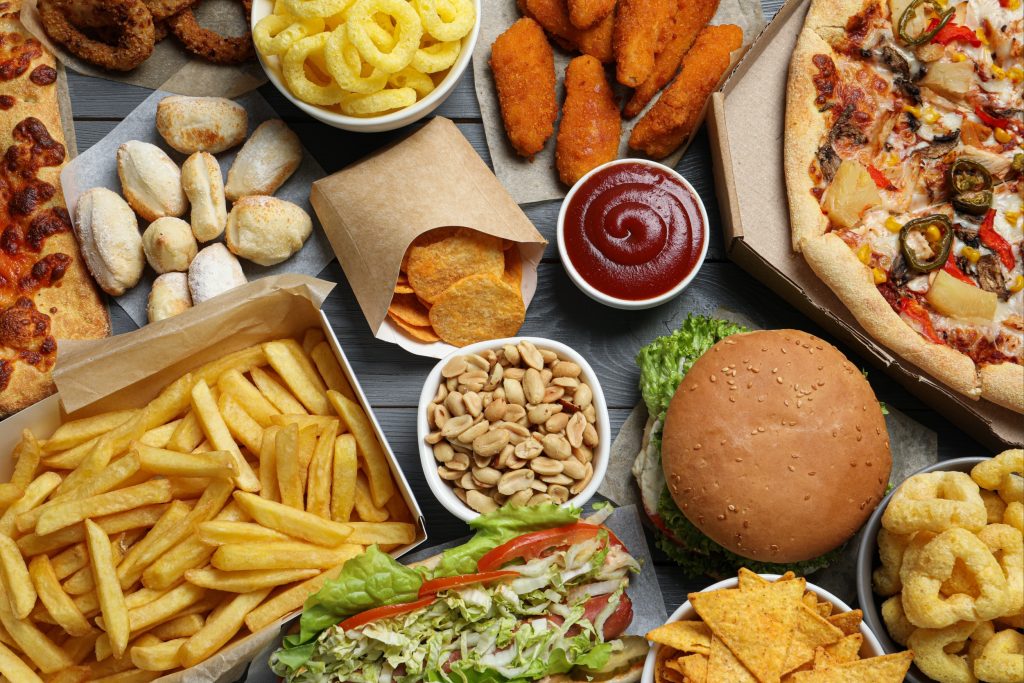
For years, nutrition advice has carried a simple message: avoid ultra-processed foods whenever possible. But a new study suggests the picture is more complicated than that.
Researchers found that the nutritional quality of a diet predicts long-term health far better than the level of food processing.

In other words, a healthy diet that includes some ultra-processed foods may be no riskier than an equally nutritious diet built mostly from minimally processed ingredients.
The findings come from more than 200,000 American adults followed for decades.
Over that time, the biggest differences in heart disease, type 2 diabetes, and death were linked to what people ate, not whether those foods came from a factory or a home kitchen.
Food quality beats processing
Nutritional quality and processing level usually travel together, which makes them hard to tell apart. Many ultra-processed products are high in added sugar, sodium, and refined carbohydrates.
As a result, people who eat a lot of them tend to have poor diets overall. In population data, the two measures rise and fall together, making it difficult to untangle their separate effects.
That is the knot Xiaowen Wang set out to cut. Wang, Ph.D., is a postdoctoral research fellow in the Department of Nutrition at the Harvard T.H. Chan School of Public Health (Harvard Chan School).
The ultra-processed category is broader than its worst members. Fortified breakfast cereal, canned beans, and plant-based milk all fall within it. Each can supply fiber, protein, or micronutrients a diet genuinely needs.
Wang and a colleague laid out that argument in a 2024 review of the evidence. A food’s healthfulness, they wrote, often fails to line up with how much industrial processing it has undergone.
“While many ultra-processed foods tend to be of poor nutritional quality and should generally be limited or avoided, processing itself is not inherently harmful,” said Wang.
Putting diets to the test
The new work pooled three long-running U.S. studies that together followed more than 200,000 adults from the 1980s through the 2020s.
Wang’s team scored each person’s food using the plant-based diet index. The tool rates plant-based diets on two things at once: the balance of plant versus animal foods and the healthfulness of the plant foods themselves.
Nobody had to be vegan to take part. To keep the comparisons consistent, the analysis looked only at the plant-derived portion of each person’s diet.
Every food was then sorted by industrial processing using the Nova classification. Crossing the two scores produced four dietary patterns.
One group ate healthy foods in ultra-processed forms, including fortified cereal, packaged whole-grain bread, plant-based yogurt, and canned fruit.
Another ate foods of the same quality with almost no processing, in meals like oatmeal with fresh fruit and nuts or homemade lentil soup.
The unhealthy half split the same way. Fast food, fries, soda, and packaged desserts sat on the ultra-processed side.
White rice, fruit juice, potatoes, and cakes baked at home from refined flour and sugar sat on the other.
Processing barely changed risk
About half the participants died or developed heart disease or type 2 diabetes during follow-up. That gave the researchers a large pool of outcomes to compare across the four groups.
Diet quality separated them clearly. Healthy eaters had lower risk, unhealthy eaters had higher risk, and the pattern held across all three outcomes.
The processing level did almost nothing. Within each quality band, the risks were nearly identical whether the food came from a factory or a home kitchen.
That separation is what the field had been missing. The 2024 review identified it as an open question that existing data could not yet answer. This analysis is the first serious attempt to answer it.
“Focus on what you’re eating overall, not just whether it’s processed. A healthy plant-based diet rich in whole grains, fruits, vegetables, nuts, legumes, and healthy plant oils is beneficial, even if it includes some processed foods,” said Wang.
Minimally processed foods can still be bad
Nova sorts food by how much industrial processing it has undergone and says nothing about its nutritional quality. A vitamin-fortified whole-grain cereal and a can of soda land in the same category.
That is the gap these results expose. Healthy foods can be labeled ultra-processed, and minimally processed foods can still be bad for you.
Other evidence complicates the picture. A 2019 inpatient trial fed 20 adults ultra-processed and unprocessed diets for two weeks each, matched for calories, sugar, fat, fiber, and macronutrients.
People ate about 500 extra calories per day during the ultra-processed food diet phase and gained weight.
Processing may still change how much people eat, even when nutrients are held constant.
The new analysis tracked what people chose over decades, not how much they ate under controlled conditions.
Looking beyond food processing alone
Nutrition advice has spent several years pushing one blunt rule: avoid anything ultra-processed. The new results suggest that rule can backfire.
“Advising people to universally ‘avoid ultra-processed foods’ can lead to lower diet quality since healthy ultra-processed foods are beneficial and unhealthy minimally processed foods are detrimental,” said Wang.
She argues that national dietary guidance should continue promoting eating patterns with a long track record of evidence, such as the Mediterranean diet or a healthy plant-based diet, rather than ranking foods by their level of processing.
Food companies have a part to play, too. Improving the nutritional quality of packaged products would make a healthy plant-based diet cheaper and easier to maintain.
The real takeaway for daily life
“People should prioritize the quality of foods rather than focusing solely on the level of processing. Aim for more nutrient-dense, high-quality foods to help lower your risk of chronic diseases,” said Wang.
What is new here is the separation itself. Across more than 200,000 people and four decades, nutritional quality drove the risk of heart disease, diabetes, and death, while the level of processing did not.
For anyone standing in a supermarket aisle, that turns a processing check into a nutrition check.
Canned beans and fortified cereal can stay in the cart. Soda and packaged desserts are the problem. So are cakes baked at home from refined flour and sugar.
The research will be presented on July 28 in National Harbor, Maryland, at the annual meeting of the American Society for Nutrition (ASN).
—–
Like what you read? Subscribe to our newsletter for engaging articles, exclusive content, and the latest updates.
Check us out on EarthSnap, a free app brought to you by Eric Ralls and Earth.com.
—–