
Close Menu
Simply Invest Asia
  • Home
  • About us
  • Explore industries/sectors
    • Automobile
    • Aviation
    • Banking
    • Biotechnology
    • Chemical & Fertilizer
    • Entertainment and Media
    • Food Processing
    • Healthcare
    • Iron and Steel
    • Leather
    • Mining
    • Oil and Gas
    • Pharmaceutical
  • Explore by countries
    • China
    • Dubai / UAE
    • Hong Kong
    • India
    • Indonesia
    • Japan
    • Malaysia
  • Explore cities
    • Bangkok
    • Beijing
    • Chongqing
    • Delhi
    • Dubai
    • Guangzhou
    • Jakarta
    • Kuala Lumpur
  • Why Asia
Facebook X (Twitter) Instagram Threads
Trending:
  • US-Iran conflict evening update: What UAE residents need to know today
  • Apple’s biggest-ever leak happened in India. Will firms rethink their China relocations?
  • How India’s ‘Cockroach’ protesters shook the Modi government | Corruption News
  • Eleven Foreign Nationals Rescued After Hours Adrift in Indonesia’s Tomini Bay
  • Criciúma 2026 Third Kit Released – Homage to Dortmund Coal Mining Heritage
  • India takes exception to Beijing’s claim that it respects China’s sovereignty
  • 14 Year Old Boy Linked to Hoax Phone Call Causing QRA Intercept of Qatari Airliner
  • Hong Kong Stock Exchange: Hang Seng Index Falls to 24,963 as Alibaba and Tencent Lead Tech Retreat
  • How Fossil Fuel Companies Made Us Believe Gas Was Clean – Mother Jones
  • Bangkok Post – Thousands shelter from devastating fires in Bordeaux
  • Temperature Up, Motivation Down: More Than Half of Japanese Workers Affected by Summer Heat Fatigue
  • Gulf countries want the war to end, but can’t agree on how
  • Halifax to close 15 bank branches in 10 weeks – full list
  • US-Listed Rare Disease Biotech Hit With Full Clinical Hold; Data Unblinding Ahead
  • The Bull Case For ANI Pharmaceuticals (ANIP) Could Change Following Positive ILUVIEN Phase 4 NIU-PS Data
  • ‘Cockroach Movement’ Forces Out India’s Education Minister
  • Archer Aviation vs. Ford Motor: Are Electric Planes or Automobiles a Better Buy in 2026?
  • Norman Ng: A Personal Perspective on Hong Kong’s Public Healthcare Journey
Saturday, July 25
Facebook X (Twitter) Instagram
Simply Invest Asia
  • Home
  • About us
  • Explore industries/sectors
    • Automobile
    • Aviation
    • Banking
    • Biotechnology
    • Chemical & Fertilizer
    • Entertainment and Media
    • Food Processing
    • Healthcare
    • Iron and Steel
    • Leather
    • Mining
    • Oil and Gas
    • Pharmaceutical
  • Explore by countries
    • China
    • Dubai / UAE
    • Hong Kong
    • India
    • Indonesia
    • Japan
    • Malaysia
  • Explore cities
    • Bangkok
    • Beijing
    • Chongqing
    • Delhi
    • Dubai
    • Guangzhou
    • Jakarta
    • Kuala Lumpur
  • Why Asia
Simply Invest Asia
Home»Explore industries/sectors»Food Processing»New Zealand is throwing away 2.3 million tonnes of food a year, and the first national tally shows farms and homes are the biggest leaks | World News
Food Processing

New Zealand is throwing away 2.3 million tonnes of food a year, and the first national tally shows farms and homes are the biggest leaks | World News

By IslaJuly 25, 20265 Mins Read
Share
Facebook Twitter Pinterest Threads Bluesky Copy Link


New Zealand is throwing away 1.22 million tonnes of food a year, and the first national tally shows farms and homes are the biggest leaks
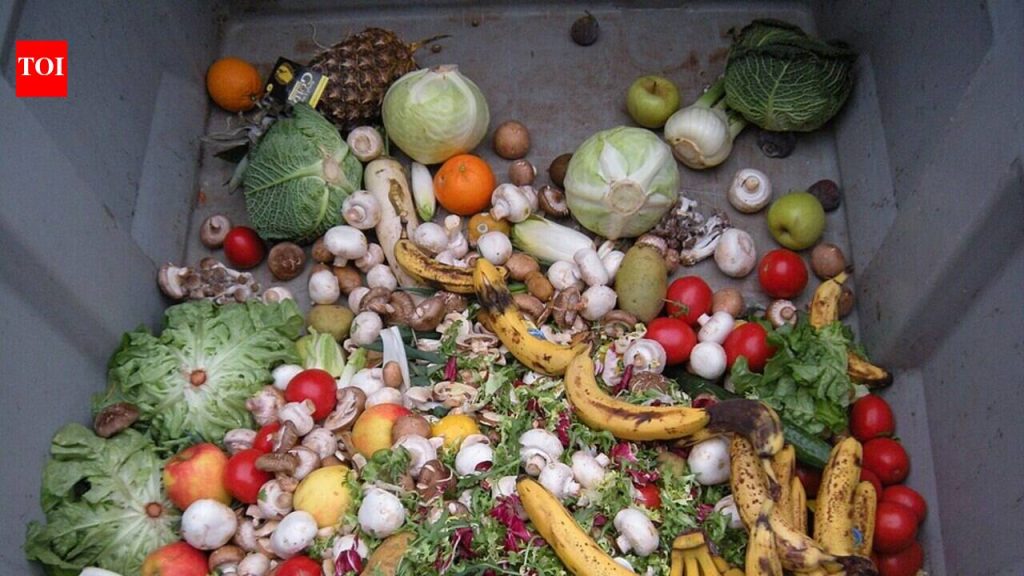
New Zealand is throwing away 2.3 million tonnes of food a year, and the first national tally shows. Image Credits: Wikimedia Commons.

From crops left behind on farms to food forgotten in household fridges, New Zealand is losing or wasting more than a million tonnes of food every year. The country’s first nationwide assessment has now revealed where the biggest losses occur, exposing major gaps at both the beginning and end of the food supply chain. According to the Ministry for the Environment, every year, about 1.22 million tonnes of food is lost or wasted, equivalent to roughly 237kg per person, with primary production and households accounting for the largest shares.New Zealand had previously lacked a comprehensive national estimate covering the entire food supply chain. The new baseline, developed by researchers at the University of Otago for the Ministry for the Environment, examines what happens to food from primary production and processing through to households, hospitality and institutions.

CJP Jantar Mantar Protest Updates

The biggest losses occur before food reaches the shops According to the above research, primary production accounted for approximately 457,580 tonnes, or 37%, of the food lost or wasted each year. Households were responsible for another 366,096 tonnes, or 30%, while processing contributed 331,517 tonnes, or 27%. Together, these three stages account for nearly all of the measured food loss and waste in the country. The findings challenge the familiar image of food waste as mainly a household problem. Although kitchens and dining tables are responsible for a substantial share, the largest single source is the beginning of the supply chain.There are several ways food can be wasted in agricultural production. Food may not meet market standards, there may be more produce available than needed, it may be damaged during harvesting or storage, or it may never be collected at all. In export-oriented agriculture, strict standards for appearance and quality can make some edible food unsuitable for sale. But it’s not just fruit and vegetables that are wasted; the baseline report says food waste occurs across different types of agriculture and varies by product. One of the major problems in assessing food waste is that not everything that doesn’t end up on people’s plates is food waste.Households remain a major source of wasteFood waste in homes is the second-largest contributor of food waste. Baseline studies estimate that in New Zealand, household waste of food comes up to about 366,000 tonnes per year. This means the food was bought, taken home, and then wasted before it was eaten. Most of the waste is considered edible, which means all the efforts put into the production, transportation and storage of that food are wasted along with the food itself.There are some reasons why food waste happens at home: food gets forgotten in refrigerators, portion sizes are big enough to be wasted, food leftovers are not consumed, and food gets thrown away because of confusion with date labels. At a national level, it is a major waste of the resources used to produce food. This issue also carries economic costs: when food is thrown away, households lose the money spent on buying it. From the point of view of a country, it is a huge waste of resources used in the process of food production.A study published in Agriculture estimated that New Zealand’s food waste embodied around 4.2 million tonnes of carbon dioxide equivalent, along with billions of cubic metres of water and large amounts of energy used to produce the food that was ultimately wasted. The study predates the new national baseline and used a different method, but it demonstrated why the environmental impact of food waste extends far beyond the rubbish bin.
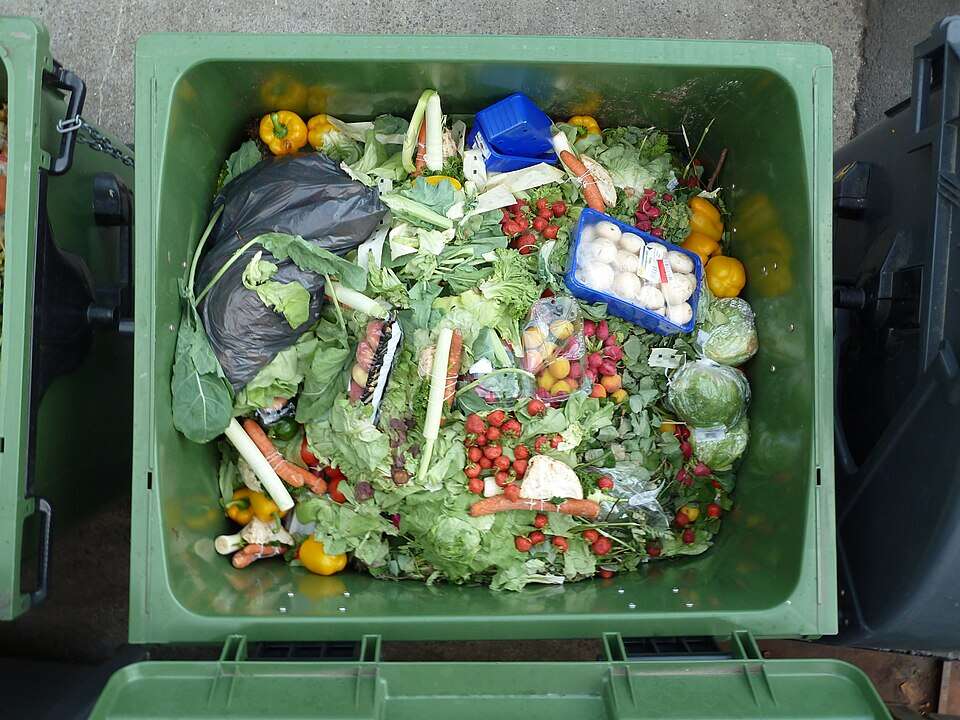
Treasure_trove_of_wasted_food

From crops left behind on farms to food forgotten in household fridges, New Zealand is losing or wasting more than a million tonnes of food every year. Image Credits: Wikimedia Commons.

The first national tally exposes a data problem tooThe new estimate is not the last word on New Zealand’s food waste. Researchers and government officials have stressed that important data gaps remain, particularly in parts of the food supply chain where reliable measurements are limited. The baseline was compiled using data from different years, ranging from 2015 to 2022, rather than a single 12-month period. That means the estimate should be viewed as a national baseline rather than a perfectly precise annual measurement.Even so, the findings provide a clearer picture of where intervention could have the greatest impact. Reducing household waste alone would not solve the problem. Nor would focusing exclusively on farms. The biggest reductions are likely to require changes across the entire chain, from production and harvesting to processing, retail and consumption.New Zealand produces far more food than its population consumes, yet large quantities are lost before they reach people or are discarded after purchase. The country therefore faces an efficiency problem as much as a scarcity problem. The new tally offers a starting point for addressing that problem. By identifying primary production, processing and households as the largest sources of loss and waste, it gives policymakers and the food industry a clearer target. The challenge now is to turn the measurement into a reduction.


Source link

Related Posts

Industry alliance presents new research & guidance on microbial safety in alt-dairy drinks | Dairy Business Middle East & Africa

July 25, 2026

JKTPO showcases Kashmir’s food heritage

July 24, 2026

BMC teams inspect eateries & manufacturing units, collect 14 suspected food samples | Bhubaneswar News

July 24, 2026
Add A Comment
Leave A Reply Cancel Reply

Top Posts

China Scraps 12,000 Degrees in Biggest Academic Overhaul in Years

June 14, 2026

Chinese Wall may stem India tech flows for electronics and automobile

June 1, 2026

Abandoned malls, whispers of nuclear war and young foreigners detained. This is what’s REALLY going on in Dubai… and the chilling warning one taxi driver gave to the Mail’s IAN BIRRELL

April 11, 2026
Don't Miss

US-Iran conflict evening update: What UAE residents need to know today

By IslaJuly 25, 2026

After nearly two weeks of nightly military action, Iran reported no new US strikes overnight…

Apple’s biggest-ever leak happened in India. Will firms rethink their China relocations?

July 25, 2026

How India’s ‘Cockroach’ protesters shook the Modi government | Corruption News

July 25, 2026

Eleven Foreign Nationals Rescued After Hours Adrift in Indonesia’s Tomini Bay

July 25, 2026
SUBSCRIBE TO OUR NEWSLETTER

Get our latest downloads and information first. Complete the form below to subscribe to our weekly newsletter.


I consent to being contacted via telephone and/or email and I consent to my data being stored in accordance with European GDPR regulations and agree to the terms of use and privacy policy.

Stay In Touch
  • Facebook
  • YouTube
  • TikTok
  • WhatsApp
  • Twitter
  • Instagram
Top Trending

Halifax to close 15 bank branches in 10 weeks – full list

By IslaJuly 25, 2026

US-Listed Rare Disease Biotech Hit With Full Clinical Hold; Data Unblinding Ahead

By IslaJuly 25, 2026

The Bull Case For ANI Pharmaceuticals (ANIP) Could Change Following Positive ILUVIEN Phase 4 NIU-PS Data

By IslaJuly 25, 2026
Most Popular

Brazil Approves Air Peace Operations, As Airline Prepares For Toronto, New York, Guangzhou  – Arise News

June 21, 2026

Off-grid cooling from Hong Kong to Middle East

July 19, 2026

Best UAE events in June 2026: concerts, comedy, theatre and live shows

May 31, 2026
Our Picks

How to get the Grey Wolf’s Leather Armor in Crimson Desert

April 11, 2026

Explosive Growth Anticipated: Generative AI in Media and Entertainment Market Set to Surpass $8 Billion by 2030

July 7, 2026

China Approves 8 More Indonesian Fish Exporters

June 1, 2026
SUBSCRIBE TO OUR NEWSLETTER

Get our latest downloads and information first. Complete the form below to subscribe to our weekly newsletter.


I consent to being contacted via telephone and/or email and I consent to my data being stored in accordance with European GDPR regulations and agree to the terms of use and privacy policy.

© 2026 Simply Invest Asia.
  • Get In Touch
  • Cookie Policy
  • Privacy policy
  • Terms & Conditions

Type above and press Enter to search. Press Esc to cancel.

SUBSCRIBE TO OUR NEWSLETTER

Get our latest downloads and information first.

Complete the form below to subscribe to our weekly newsletter.


I consent to being contacted via telephone and/or email and I consent to my data being stored in accordance with European GDPR regulations and agree to the terms of use and privacy policy.