
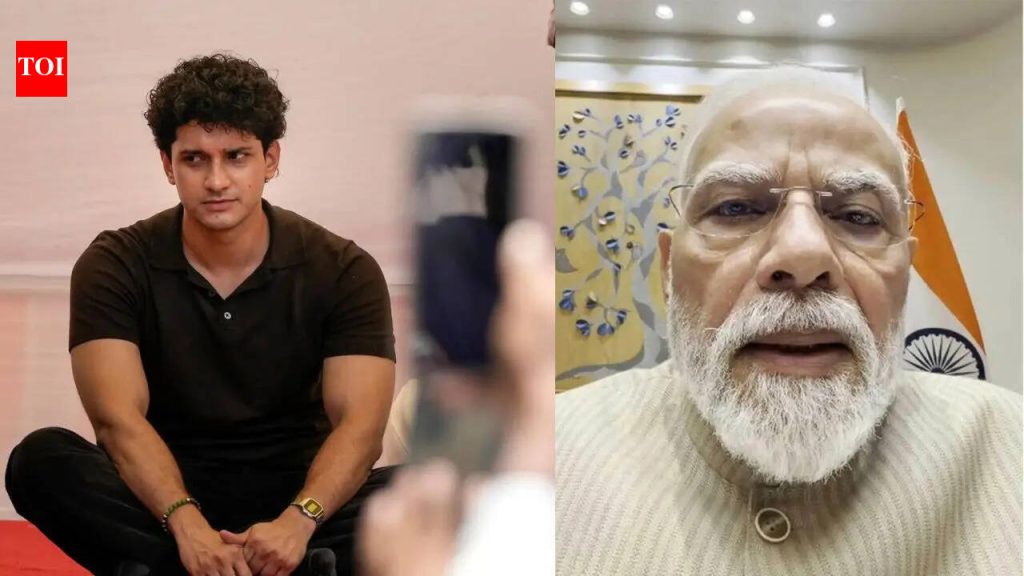
Wangchuk, who lost around 11 kg during the fast, said he ended the protest after prolonged negotiations and to prevent possible violence, while urging supporters to continue the movement peacefully.
The government assured that it was positively considering withdrawing cases against peaceful protesters, discussing paper leaks and education reforms in Parliament, and providing suitable compensation to families of students who died by suicide following the alleged NEET paper leak. Prime Minister Narendra Modi welcomed Wangchuk’s decision and wished him a speedy recovery.
Despite Wangchuk ending his fast, the Cockroach Janta Party (CJP) announced that its agitation at Jantar Mantar would continue until Union Education Minister Dharmendra Pradhan resigns. The outfit reiterated its four key demands — Pradhan’s resignation, accountability for alleged examination irregularities, compensation for affected families, and withdrawal of FIRs against peaceful protesters.
In a significant development, the Centre agreed to hold talks with CJP representatives at the Constitution Club of India, a neutral venue sought by the protesters. CJP leaders welcomed the move but maintained that their demands remained unchanged.
Meanwhile, Delhi remained under heavy security ahead of fresh demonstrations.
Delhi Police took over 200 people, many of them listed as ‘bad characters’, into preventive custody, citing intelligence inputs about mobilisation from neighbouring states.
Multiple layers of barricades, RAF and CRPF deployment, and restrictions under Section 163 of the BNSS were enforced around Jantar Mantar and central Delhi. Police maintained that only suspicious individuals or those unable to justify their travel were detained and denied speculation about a crackdown or passport cancellations.