
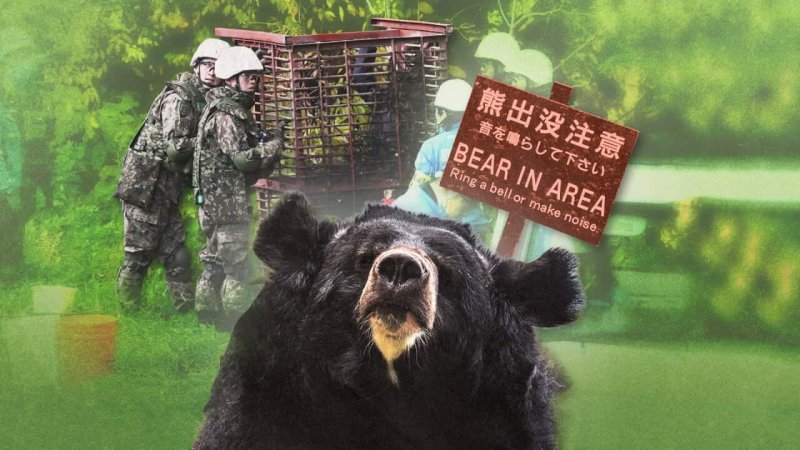
A Canadian tourist was injured after being attacked by a bear while visiting the scenic Goshikinuma Ponds in Fukushima Prefecture, adding to a growing number of bear-related incidents reported across Japan.
The attack came just one day after another person was injured in neighboring Iwate Prefecture, highlighting increasing encounters between humans and bears as the animals become more active following hibernation, News.Az reports.
Wildlife experts say a combination of seasonal behavior, habitat overlap and increased human activity in mountainous areas has contributed to the rise in incidents.
What happened to the Canadian tourist?
The incident occurred on Friday afternoon at Goshikinuma Ponds, a well-known tourist destination located in the foothills of Mount Bandai in Fukushima Prefecture. According to local authorities, the Canadian woman, who is in her 30s, was walking alone when she encountered a bear at around 3 p.m. local time.
The animal reportedly scratched her face and right arm before leaving the area. Emergency services responded to the scene and transported the woman to a nearby hospital for treatment. Medical officials said her injuries were not considered life-threatening.
Authorities have not disclosed exactly how the encounter unfolded or whether the tourist had any warning before the attack. Wildlife officials are expected to investigate the area to determine whether the bear remains nearby and whether additional safety measures are required for visitors.
Although the woman survived with relatively minor injuries, the attack serves as another reminder that wildlife encounters can occur even at popular tourist destinations that attract large numbers of visitors throughout the year.
Why are bear encounters increasing in Japan?
Japan has experienced a noticeable increase in bear sightings and attacks in recent years. One of the main seasonal factors is that bears become significantly more active after emerging from winter hibernation, increasing the likelihood of encounters with people.
As bears search for food during spring and summer, they often travel over wider areas and may enter regions closer to human settlements, farms and recreational sites. Mountain trails, forests and rural communities therefore become locations where unexpected encounters are more likely.
Experts also point to broader environmental factors. Changes in food availability, weather conditions and habitat use may encourage bears to move into populated areas more frequently. In some regions, declining rural populations have also reduced human activity in mountain areas, allowing wildlife to expand into locations that were previously more heavily occupied.
Authorities across Japan have responded by issuing warnings, installing signs in areas where bears have been spotted and encouraging residents and tourists to remain alert while visiting forests and national parks.
What other recent bear incidents have occurred?
The Fukushima attack occurred just one day after another serious bear encounter in neighboring Iwate Prefecture. In that incident, a 73-year-old woman was attacked outside a barn where she had been milking cows during the evening.
According to local reports, the woman suffered injuries but survived the attack. The two incidents occurring within less than twenty-four hours illustrate the frequency with which bear encounters have recently been reported in northeastern Japan.
Over the past several months, authorities have documented increasing numbers of bear sightings across multiple prefectures. Some incidents have involved bears entering residential neighborhoods, farms, schools and commercial areas, while others have occurred on hiking trails and tourist routes.
Although most bears avoid contact with humans, officials warn that animals may become aggressive if they feel threatened, are surprised at close range or are protecting cubs or food sources. Wildlife authorities therefore continue monitoring areas where repeated sightings have been reported.
What should tourists do if they encounter a bear?
Japanese authorities advise hikers and visitors to remain alert when traveling through mountainous or forested areas, particularly during periods when bears are known to be active. Walking alone can increase risk because there is less noise to alert wildlife to human presence.
Experts generally recommend making noise while hiking by talking, clapping or carrying bear bells, allowing bears to detect people and avoid close encounters. Visitors are also encouraged to remain on designated trails and pay attention to warning signs issued by local authorities.
If a bear is encountered, wildlife specialists advise avoiding sudden movements or attempts to run away, as fleeing may trigger the animal’s instinct to chase. Instead, people are generally encouraged to remain calm, slowly back away and avoid direct confrontation while giving the animal an opportunity to leave.
Tourists should also avoid approaching bear cubs, as adult bears may react aggressively if they perceive a threat to their young. Proper food storage and avoiding leaving waste behind can also reduce the likelihood of attracting wildlife.
How are Japanese authorities responding to the increase in bear activity?
Local governments across Japan have expanded efforts to monitor bear populations and inform the public about recent sightings. Municipal authorities frequently issue alerts when bears are seen near residential communities, schools, farms or popular tourist destinations.
Park officials and wildlife agencies have also increased patrols in some high-risk areas while placing warning signs at trailheads and recreational sites. In locations where bears repeatedly enter populated areas, authorities may temporarily restrict public access or deploy wildlife specialists to monitor animal movements.
Education campaigns encouraging safe behavior in bear habitats have become increasingly common, particularly in northern regions such as Hokkaido and the Tohoku area, where bear populations are relatively large.
As tourism continues to grow in Japan’s mountain regions, officials are expected to maintain close surveillance of wildlife activity while balancing public safety with conservation efforts aimed at protecting native bear populations.