
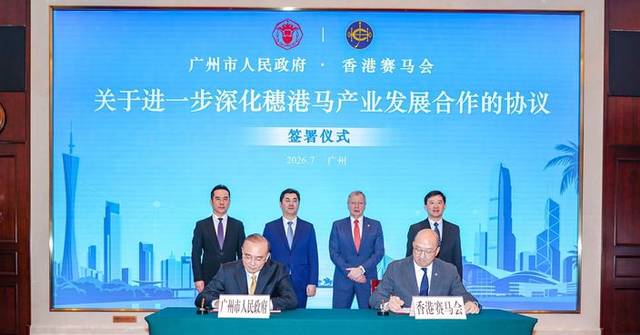
The Hong Kong Jockey Club (the Club) today (18 July) signed a Deepened Collaboration Agreement (the Agreement) with the Guangzhou Municipal People’s Government. Leveraging the world-class, equine-themed culture-sports-tourism activities to be staged at Conghua Racecourse as a starting point, the two parties will further develop the Guangzhou-Hong Kong Equine Industry In-depth Cooperation Zone (the Zone), as highlighted in Guangzhou’s Outline of the 15th Five-Year Plan. The two parties will also promote the formation of a high-quality Guangzhou-Hong Kong Equine Industry Economic Cluster (the Cluster), thereby contributing further to the development of Guangdong-Hong Kong-Macao Greater Bay Area (GBA).
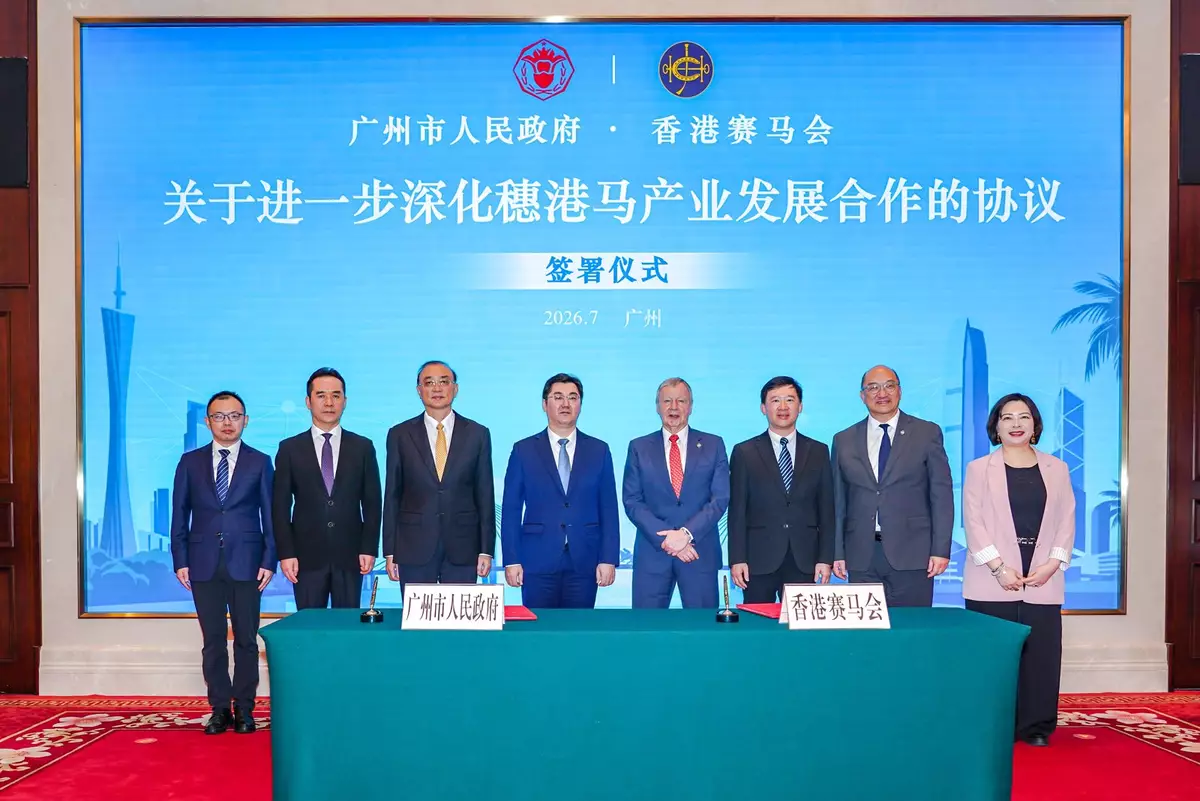
Sun Zhiyang, Mayor of the Guangzhou Municipal People’s Government (4th left); Winfried Engelbrecht-Bresges, Chief Executive Officer of the Club (4th right); Pan Zhijun, Secretary General of the Guangzhou Municipal People’s Government (3rd left); Clement Woo, Under Secretary for Constitutional and Mainland Affairs of the HKSAR Government (3rd right); Zhu Xiaoyi, Deputy Secretary General of the Guangzhou Municipal People’s Government (2nd left); Raymond Tam, Executive Director, Corporate Affairs of the Club (2nd right); Wu Sa, Director of the Guangzhou Development and Reform Commission (Guangzhou Greater Bay Area Office) (1st left); and So Tsz Yin, Acting Director of the Hong Kong Economic and Trade Office in Guangdong of the HKSAR Government (1st right), attend the signing ceremony.
In the presence of Sun Zhiyang, Mayor of the Guangzhou Municipal People’s Government; Winfried Engelbrecht-Bresges, Chief Executive Officer of the Club; Zhu Xiaoyi, Deputy Secretary General of the Guangzhou Municipal People’s Government; and Clement Woo, Under Secretary for Constitutional and Mainland Affairs of the HKSAR Government, the Agreement was signed by Pan Zhijun, Secretary General of the Guangzhou Municipal People’s Government; and Raymond Tam, Executive Director, Corporate Affairs of the Club.
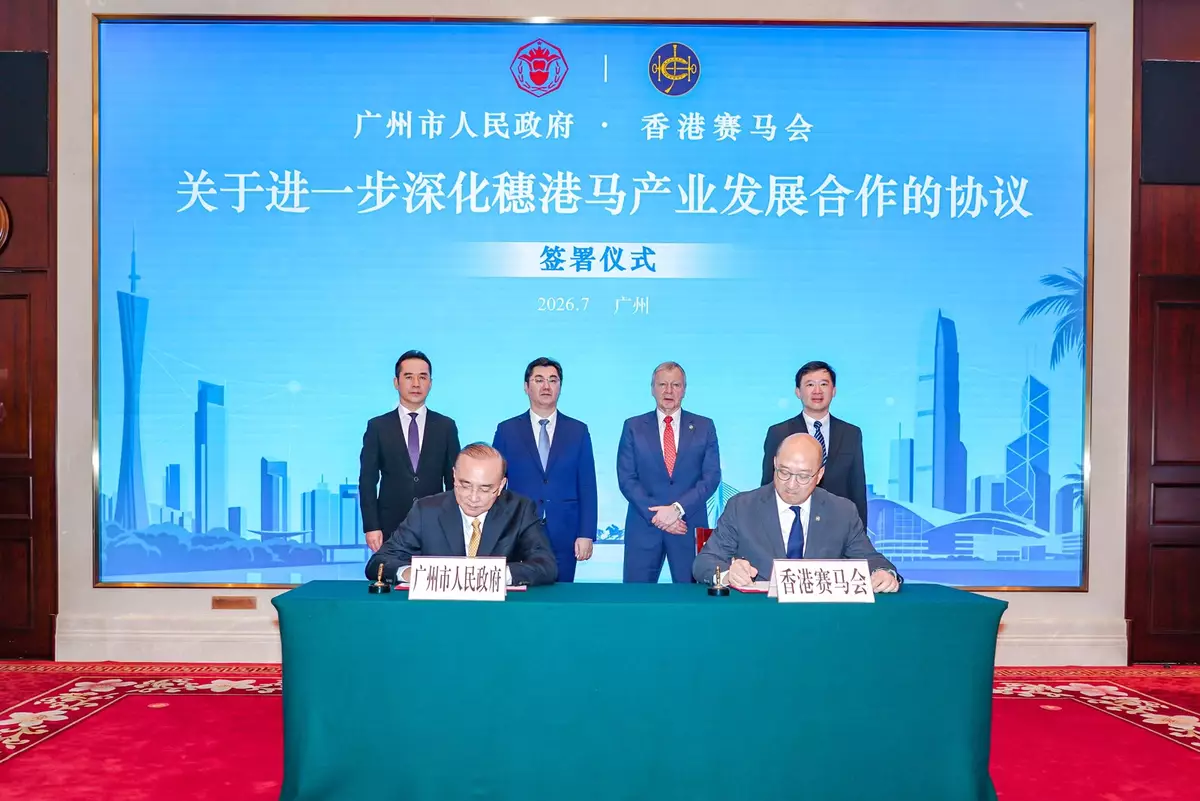
In the presence of Sun Zhiyang, Mayor of the Guangzhou Municipal People’s Government (back row, 2nd left); Winfried Engelbrecht-Bresges, Chief Executive Officer of the Club (back row, 2nd right); Zhu Xiaoyi, Deputy Secretary General of the Guangzhou Municipal People’s Government (back row, 1st left); and Clement Woo, Under Secretary for Constitutional and Mainland Affairs of the HKSAR Government (back row, 1st right), the Deepened Collaboration Agreement to further advance equine industry development was signed by Pan Zhijun, Secretary General of the Guangzhou Municipal People’s Government (front row, left); and Raymond Tam, Executive Director, Corporate Affairs of the Club (front row, right).
Winfried Engelbrecht-Bresges, Chief Executive Officer of the Club, noted that the Club, as a world-class horse sports organisation, is committing to leveraging Hong Kong’s internationally recognised expertise and experience in horse racing and equine sports to support the development of the GBA as a leading global hub for equine sports and the equine industry. Over the years, the Club has been cooperating closely with the Guangzhou Municipal People’s Government and achieved significant progress in the establishment of Conghua Racecourse and promoting the development of the GBA’s equine value chain. Through deeper collaboration with the Guangzhou Municipal People’s Government, synergised by the launch of a regular world-class racing programme and equine-themed culture-sports-tourism activities at the Conghua Racecourse, the Club hopes to further promote the development of equine sports and the equine industry in the GBA. This will foster the integrated development of culture, sports and tourism and stimulate the sports event economy, as well as promote institutional innovation and connectivity across the GBA, thereby elevating the region’s international competitiveness and influence.
The Outline of Guangzhou’s 15th Five-Year Plan proposes advancing in-depth cooperation between Guangzhou and Hong Kong in the equine industry, introducing regular international-standard horse racing events, and planning the development of a Guangzhou-Hong Kong Equine Industry In-Depth Cooperation Zone. The Club has also recently submitted recommendations for Hong Kong’s first Five-Year Plan, which include fully leveraging Conghua Racecourse as a strategic platform for deeper Guangzhou-Hong Kong cooperation, introducing world-class racing and equine events across the GBA and positioning the GBA as a global equine industry hub.
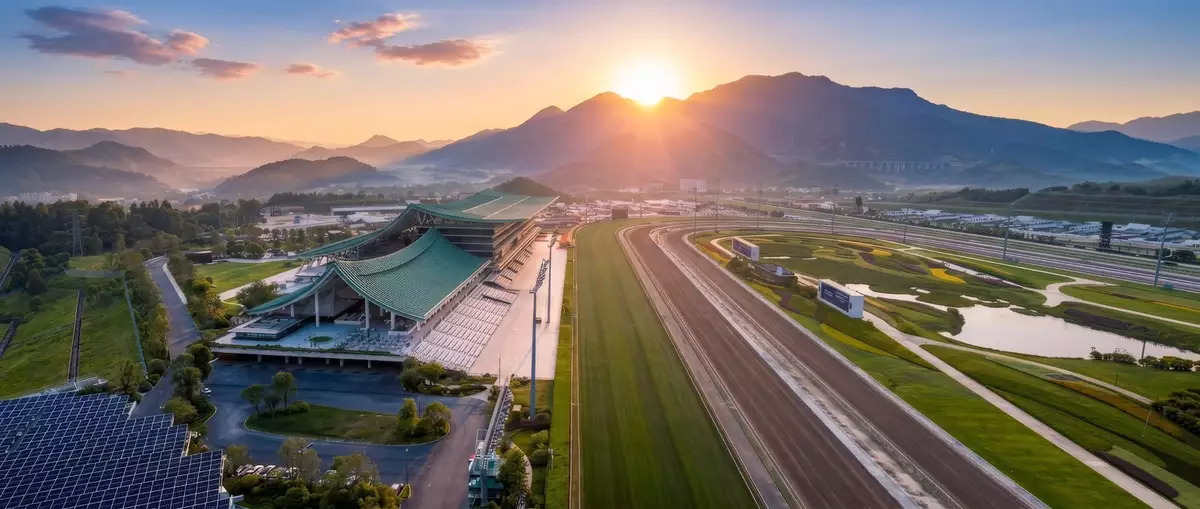
Starting from this year, The Hong Kong Jockey Club Conghua Racecourse will commence its programme of regular world-class horse racing.
By fully leveraging Hong Kong and Guangzhou’s roles as the core engines of GBA development, and the Club’s international standing, professional expertise and management experience in equine sports, this collaboration will continue to optimise the equine-themed culture-sports-tourism business model and develop Conghua Racecourse into a World-class Horse Sports and Equine Industry Demonstration Base cum Horse-themed Culture-Sports-Tourism Integrated Destination. In alignment with Guangzhou’s Outline of the 15th Five-Year Plan, the aim is to substantially establish the Zone by 2030, supporting the Cluster as an industry with strong economic vitality and international influence in the GBA.
To achieve the above targets, the Guangzhou Municipal People’s Government and the Club will together put forward the below collaboration areas according to the Agreement:
*1. Planning and Development of the Guangzhou-Hong Kong Equine Industry In-depth Cooperation Zone*
• The Guangzhou Municipal People’s Government will formulate a development plan for the Zone and accelerate the enhancement of supporting facilities in the vicinity of Conghua Racecourse. Leveraging the racecourse as an industry anchor, a diverse range of equine-themed cultural, leisure and tourism experiences will be developed.
• Construction and operation of the Guangzhou Conghua International Racing Development Centre, as well as management and maintenance of the Equine Disease-Free Zone in Conghua, will continue to be advanced. Cooperation with customs and agricultural authorities in Guangzhou and Hong Kong will be strengthened to facilitate more efficient cross-boundary movement.
• International exchanges will be strengthened to support the participation of horses from overseas and the Chinese Mainland in equine-themed culture-sports-tourism activities. In compliance with relevant laws, and while safeguarding biosecurity and the equine disease-free status of Conghua, the importation, trading and breeding of high-quality horses will be advanced in a steady and orderly manner.
• Building on the successful implementation of the “Five Connections” initiatives for the 15th National Games, Conghua Racecourse will leverage its strengths to promote cross-boundary veterinary practice in the Chinese Mainland, the importation of veterinary drugs into the Chinese Mainland, equipment flow, anti-doping testing, and professional exchange and public education. Conghua Racecourse will also be developed into an important platform supporting the development of a “Sports Bay Area”.
*2. Building a World-class Equine Sports and Industry Demonstration Base cum Horse-themed Culture-Sports-Tourism Integrated Destination*
• Ensure the successful organisation of equine-themed culture-sports-tourism activities at Conghua Racecourse. Leveraging the Club’s strengths in operating across “Two Cities, Three Racecourses”, equine-themed tourism products will be developed. These will include equine-themed experience tours in partnership with travel agencies, multi-destination travel packages, and unique equine tourism experiences through local tourism exhibitions and official media platforms.
• Both parties will jointly promote equine-themed culture-sports-tourism activities to the public in the GBA, and encourage collaborations with journalism schools and sports media institutions to enhance the understanding of horse racing among sports media professionals. Promotion of horse culture will also be strengthened at both national and international levels, through the organization of equine culture exhibitions and documentary productions.
*3. Promoting the high-quality development of the Guangzhou-Hong Kong Equine Industry Economic Cluster*
• Leveraging the planning and development of the Zone as an opportunity, a new development framework for the GBA’s equine industry will be formulated. This will include focusing on Conghua Racecourse as one of the core venues to launch a diverse range of horse-themed competitions and activities.
• The equine industry will be integrated with cultural tourism and the convention and exhibition sectors, while extending upstream and downstream value chains through an array of equine sports-themed products.
• Drawing on the Club’s philanthropic experience and resources, both parties will work together to enhance public well-being and contribute to the betterment of society.
*4. Strengthening talent development for equine sports and industries*
• The Guangzhou Municipal People’s Government will support the Club’s initiatives under the “school-enterprise cooperation” model by promoting and facilitating training programmes that meet the talent needs of the equine industry and Conghua Racecourse. Initiatives include the implementation of modern apprentice models and order-based classes grouped around horse racing, and more.
• Both parties will promote the mutual recognition of qualifications for equine sports and industry professionals between Guangzhou and Hong Kong. For example, the Hong Kong Certificate Racing Programmes have recently been integrated into the Guangdong Lifelong Education Qualification Framework.
The Guangzhou Municipal People’s Government and the Club will establish a regular cooperation and communication mechanism to coordinate various tasks for the development of Guangzhou-Hong Kong equine industry collaboration. Other Chinese Mainland officials attending today’s signing ceremony also included: Wu Sa, Director of the Guangzhou Development and Reform Commission (Guangzhou Greater Bay Area Office); Tan Aiying, Director-General of Guangzhou Municipal Sports Bureau; Liu Zhijie, District Mayor, Conghua District Government; Deng Changxiong, Deputy-Director of Foreign Affairs Office (Hong Kong & Macao Affairs Office) of Guangzhou Municipal People’s Government; Wu Qingsong, Deputy Director-General of Guangzhou Culture, Radio, Television and Tourism Bureau; and others.
In 2021, the Club signed a Framework Cooperation Agreement with the Guangzhou Municipal Government to jointly promote Guangzhou-Hong Kong equine industry collaboration, with the Club’s Conghua Racecourse serving as a key driver of the initiative. In addition, the Club actively supports the HKSAR Government’s racing tourism policy, leveraging the racing and entertainment experiences offered by its two Hong Kong racecourses to support development of the city’s events and tourism economy.
The Hong Kong Jockey Club (“the Club”) today (16 July) made a formal submission to the HKSAR Government during the public consultation period on The First Five-Year Plan for Economic and Social Development of the Hong Kong Special Administrative Region (2026-2030) (“Hong Kong’s first Five-Year Plan”). Drawing on the Club’s expertise in equine sports, tourism, talent development, philanthropy and social innovation, the submission is organised under three themes – Equine Sports and Industry Hub; Sports Economy; and Social Betterment – to support economic growth, regional integration, people-to-people exchanges and social progress.
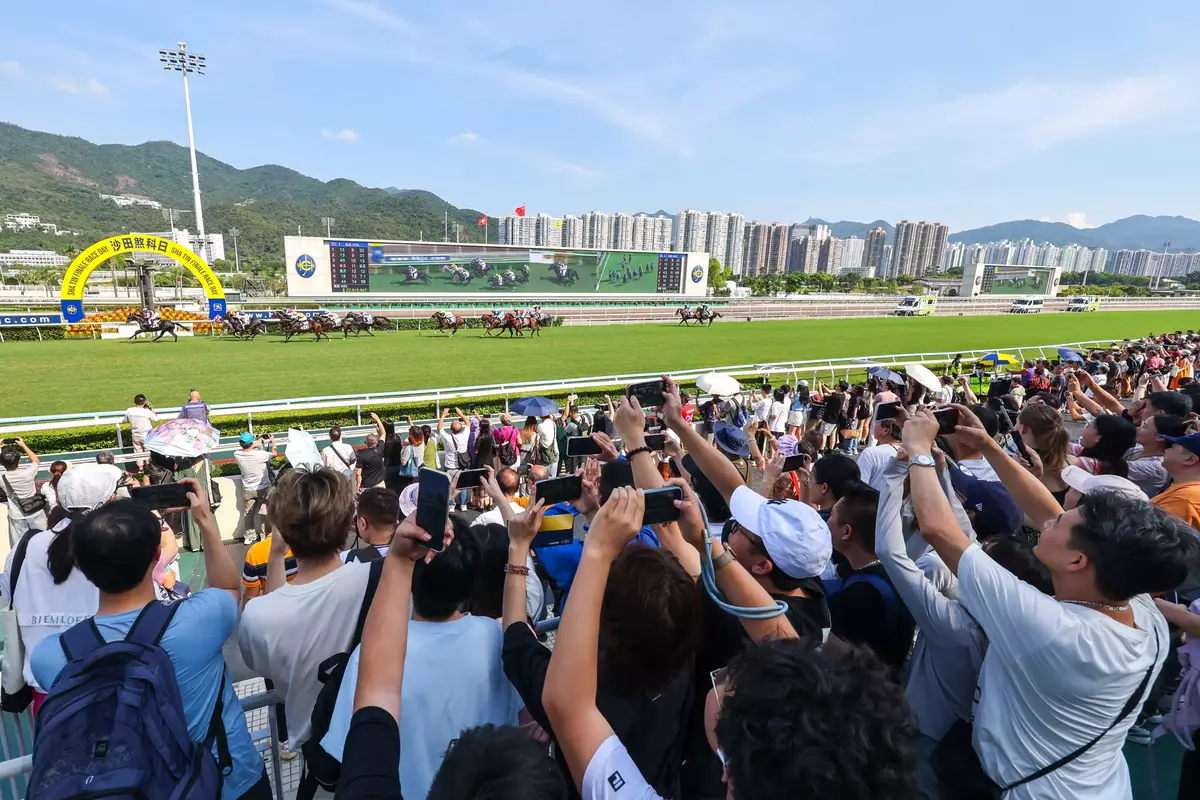
Jockey Club submits recommendations for Hong Kong’s first Five-Year Plan to strengthen the city’s integration into and support for overall national development.
Winfried Engelbrecht-Bresges, Chief Executive Officer of The Hong Kong Jockey Club said that the Club, as a world-class horse sports organisation with a strong commitment to the country and Hong Kong, strongly welcomes the HKSAR Government’s initiative to formulate Hong Kong’s first Five-Year Plan under the framework of the National 15th Five-Year Plan. The Club sees this as a significant opportunity to strengthen Hong Kong’s integration into and support for overall national development while leveraging Hong Kong’s unique strengths to align with national needs and contribute to the country’s high-quality development.
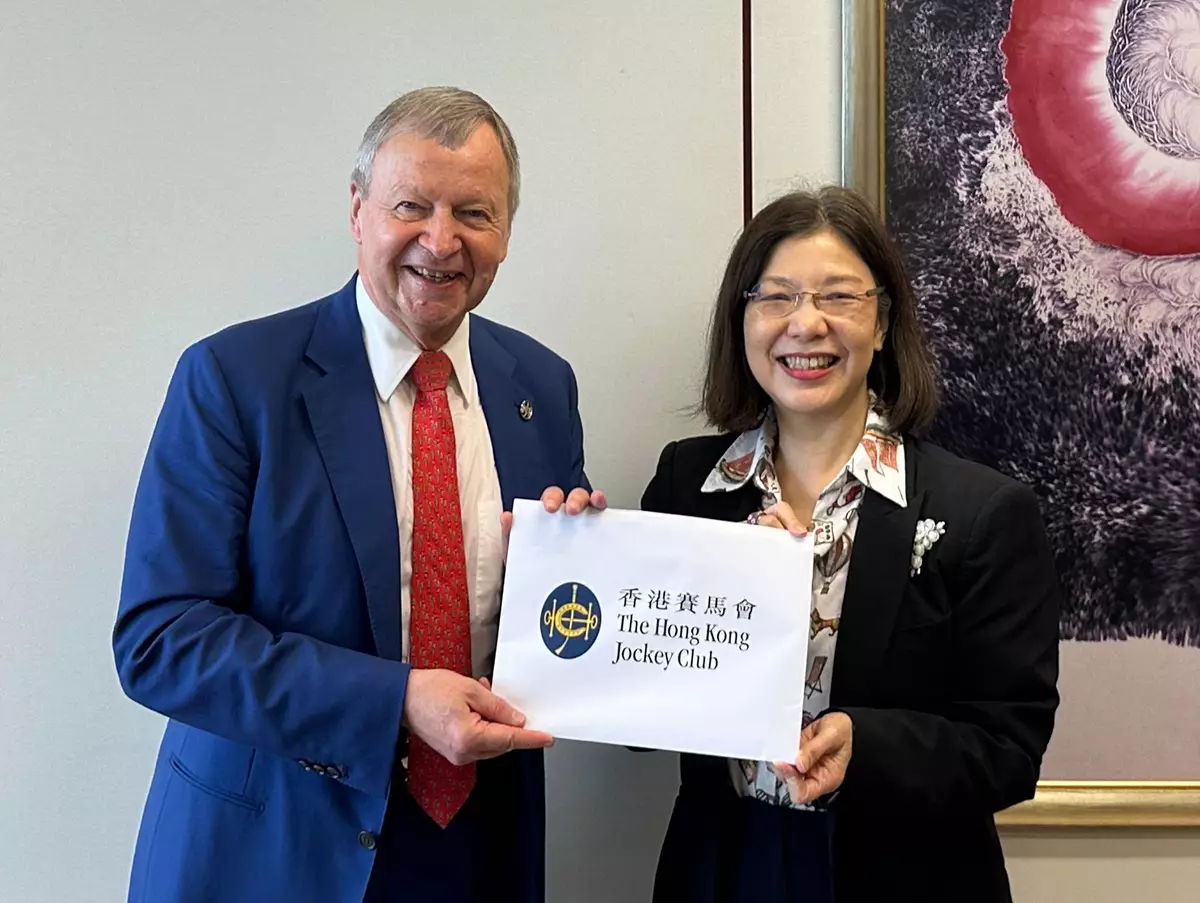
Winfried Engelbrecht-Bresges, Chief Executive Officer of The Hong Kong Jockey Club (left) submits a proposal for Hong Kong’s first Five-Year Plan to Janice Tse, Secretary for Constitutional and Mainland Affairs of the HKSAR Government (right).
Theme 1 – Equine Sports and Industry Hub
The equine industry is an area where Hong Kong possesses internationally recognised strengths. Economic value is generated by industries linked to the Club’s operations, with world-class racing as the core. At the same time, the Club’s expertise in racing, veterinary science, biosecurity and event management is globally respected.
Importantly, equine industry development has already been identified as a strategic economic driver under national and Greater Bay Area (“GBA”) planning frameworks. Hong Kong therefore has an opportunity to play a leading role in helping to develop a world-class equine industry ecosystem across the GBA and beyond.
There are three key recommendations under this theme
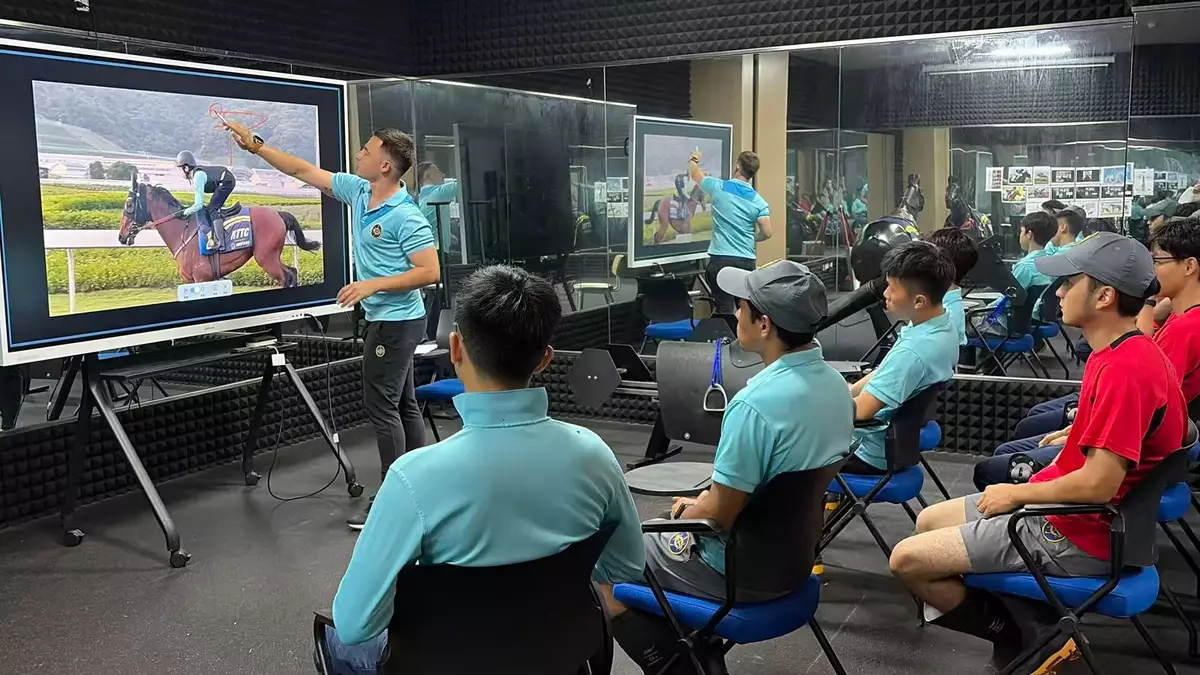
Image source:The Hong Kong Jockey Club
1)Establish the GBA as a leading international equine hub
– Fully leveraging the Club’s Conghua Racecourse (“CRC”) as a strategic platform for deeper Guangzhou-Hong Kong cooperation, CRC, together with Hong Kong’s two racecourses at Happy Valley and Sha Tin, will support the introduction of world-class racing and equine events across the GBA and position the GBA as a global equine industry hub.
– Propose expanding Hong Kong’s successful experience in equine biosecurity and disease-free zone management to other regions in the Chinese Mainland, such as Xinjiang, thereby enabling Hong Kong to utilise its expertise to play a key role in facilitating the country’s international exchanges with Belt & Road countries by way of horse sports and horse culture.
– Support the establishment of a World Organisation for Animal Health (“WOAH”) collaboration centre in Hong Kong to reinforce Hong Kong’s role as a regional centre for veterinary public health.
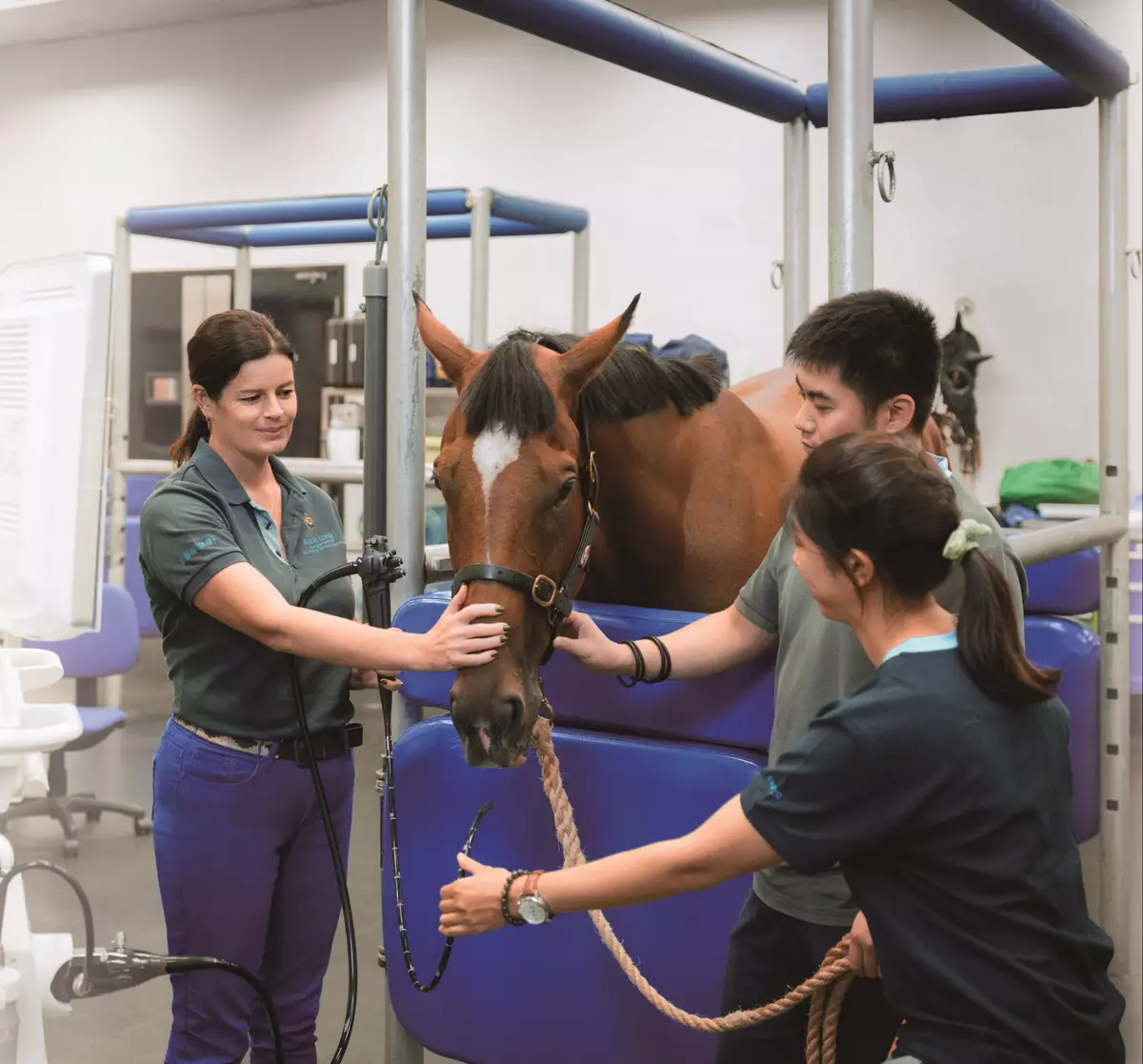
Image source:The Hong Kong Jockey Club
2) Advance institutional innovation and soft connectivity
– Recommend building on successful precedents arising from the Guangzhou Asian Games, Hangzhou Asian Games and National Games. Examples include recognition of Hong Kong- and overseas-registered veterinarians, streamlined arrangements for veterinary medicines, and enhanced regulatory cooperation.
– Enable institutional innovations and soft connectivity, such as expanding mutual recognition of vocational qualifications between Hong Kong and Guangdong; supporting apprenticeship pathways and talent mobility in the GBA; developing the Conghua International Racing Development Centre as an international equine import-export and quarantine hub.
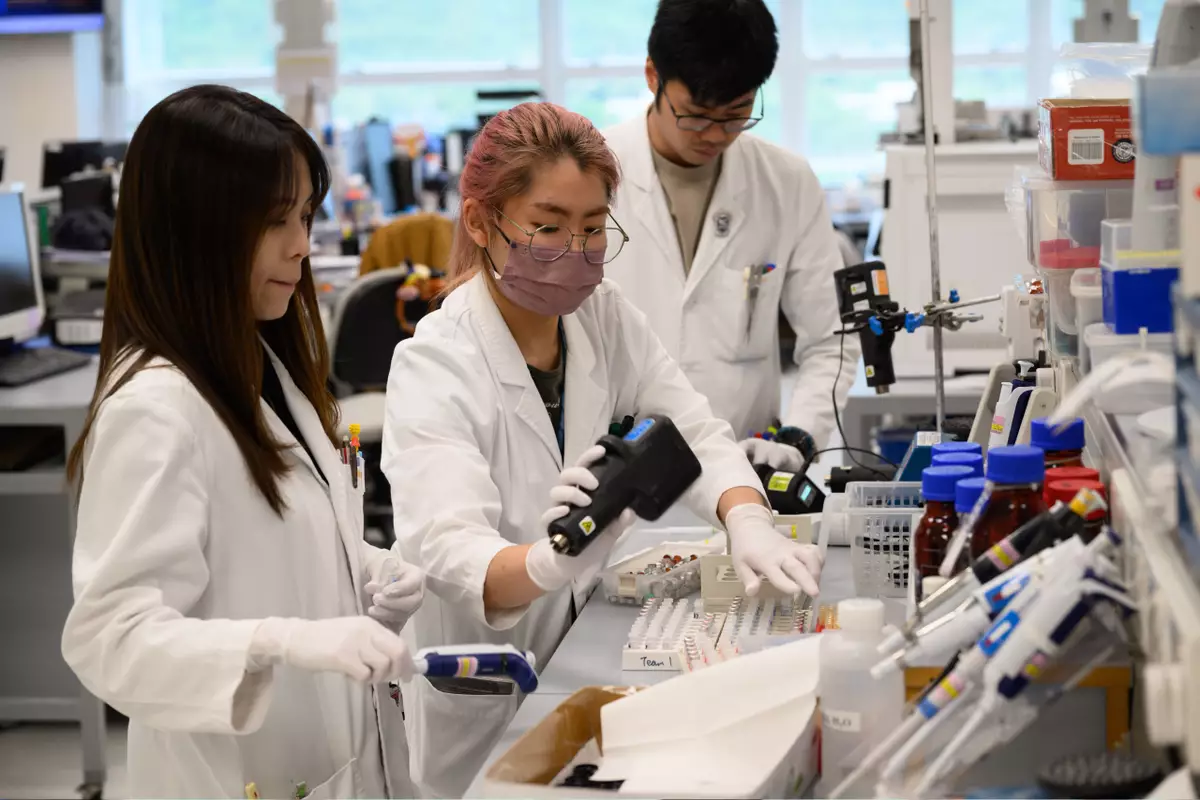
Image source:The Hong Kong Jockey Club
3) Promote equine culture, tourism and talent development
– Recent data demonstrate the attractiveness of Hong Kong’s racing tourism. Tourist attendance at the Club’s racecourses increased substantially, and the future development of Conghua will further strengthen the “Two Cities, Three Racecourses” proposition.
– Recommend developing a multi-destination racing tourism offering linking Sha Tin, Happy Valley and Conghua, creating a distinctive racing tourism circuit for both Chinese Mainland and international visitors.
– Recommend strengthening promotion through government overseas and Chinese Mainland networks; enhancing cooperation with regions that have strong equine traditions such as Xinjiang; and supporting veterinary education and training initiatives in the GBA.
– Drawing on Hong Kong’s rapid advancement in veterinary education, Hong Kong is well positioned to play a more active role in supporting the upskilling of veterinarians in the Mainland. The Club has been collaborating with the City University of Hong Kong to explore the establishment of a veterinary clinical training centre in Shenzhen and Dongguan Campus to complement veterinary education with practical clinical training.
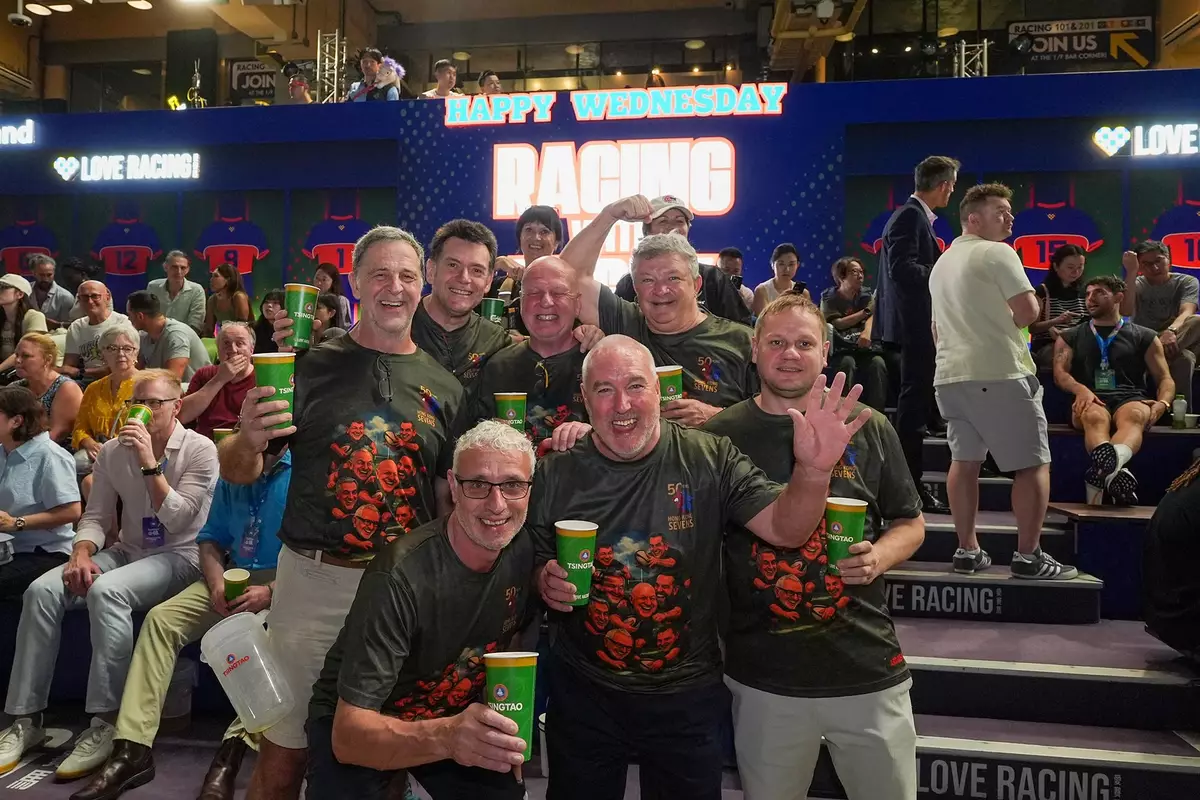
Image source:The Hong Kong Jockey Club
Theme 2 – Sports Economy
• The Club strongly supports the HKSAR Government’s vision of developing sport not only as a public good but also as an economic driver via a comprehensive sports development framework encompassing mass participation, elite excellence and sports industry development.
• Suggest leveraging mechanisms including the “M-Mark” system, “sports+ mega events”, and “sports+ tourism” initiatives to attract and develop internationally recognised sports IP and flagship events for Hong Kong.
• Hong Kong is uniquely positioned to serve as an international sports exchange platform. Through closer GBA collaboration, event co-hosting, talent exchange and resource sharing, Hong Kong can build a stronger and more integrated regional sports ecosystem.
• Hong Kong possesses world-class expertise in sports integrity and governance. The Club’s Racing Laboratory is internationally recognised. Hong Kong can also contribute valuable experience in integrity assurance, governance standards and dispute resolution to create tangible value in the sports economy.
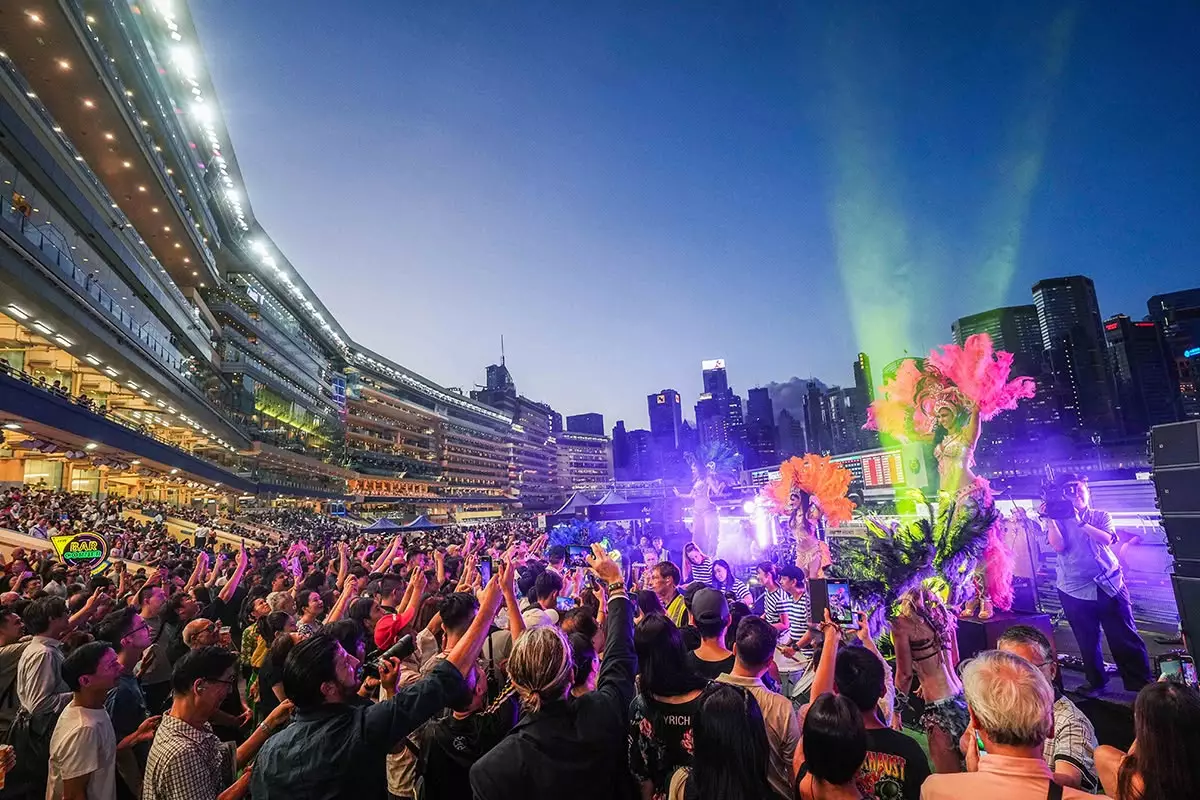
Image source:The Hong Kong Jockey Club
Theme 3 – Social Betterment
• Hong Kong already possesses many attributes of an international financial centre. The Club believes it can also become Asia’s leading hub for philanthropy and social impact investment. In this connection, the Club recommends,
– To further develop and integrate Hong Kong’s burgeoning philanthropic sector as a catalytic turnkey for critical infrastructure projects such as in the Northern Metropolis University Town;
– Expanding the concept of “Finance+” to incorporate social impact investment and creating a robust ecosystem that channels capital into social outcomes;
– Establishing a dedicated impact capital coordination mechanism to strengthen policy alignment and unlock new funding sources for social development; and
– Promoting greater alignment of standards, rules and operating mechanisms within the GBA, including pilot cooperation through Nansha and support for Hong Kong NGOs operating across the boundary.
• These initiatives would further strengthen Hong Kong’s role as a “super connector” while supporting common prosperity and sustainable social development.
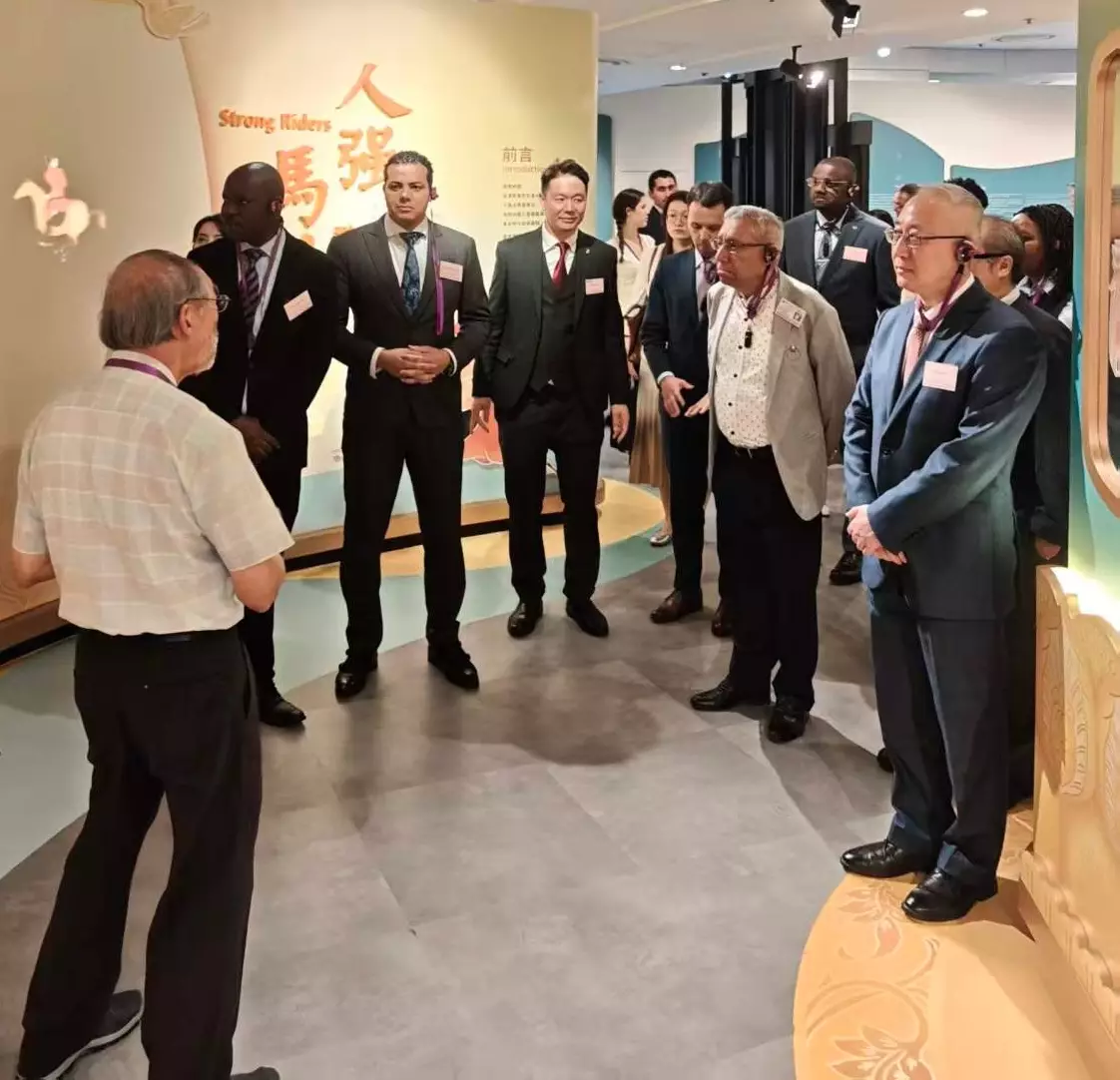
Image source:The Hong Kong Jockey Club
Submission by the Institute of Philanthropy (“IoP”)
• In addition, IoP, established by The Hong Kong Jockey Club and its Charities Trust, also put forward proposals on national and international philanthropy. Its recommendations include,
1) Position Hong Kong as a philanthropic knowledge and convening hub, bringing together philanthropic sector stakeholders to exchange and advance best practices and to strengthen sector capabilities across Hong Kong, the Chinese Mainland, and Asia.
2) Establish a joint taskforce with national counterparts to advance social impact measurement frameworks and standards.
3) Support the establishment of formal philanthropic exchange programmes with national counterparts, to exchange best practices in the governance and operation of philanthropic programmes.
4) Explore and support the development of new business models and financing solutions that create economic and social value in a sustainable way, generating innovative solutions to social issues.