
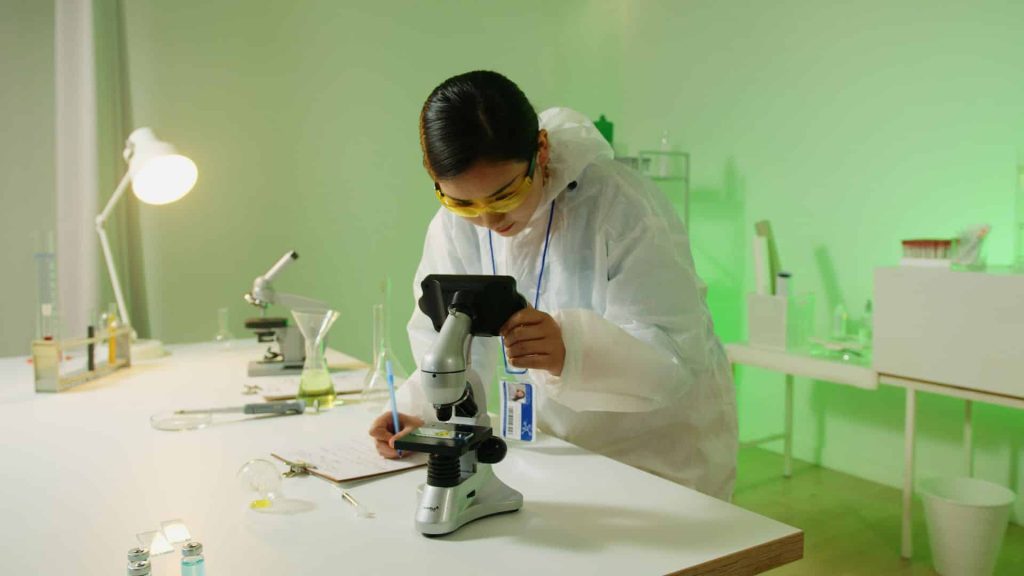
Modern medicine is changing because scientists now have better ways to understand and influence biology at a deeper level. Instead of only treating symptoms after disease appears, researchers are exploring tools that may help identify risks earlier, design more precise therapies, and develop treatments for conditions that were once extremely difficult to address. Biotechnology is central to this shift. It gives researchers the ability to study living systems with more detail and create solutions that are increasingly tailored to the needs of patients.
Synthetic Biology Applications Are Expanding What Researchers Can Build
The growth of synthetic biology applications is a promising area of biotechnology. Synthetic biology allows researchers to design, build, and test biological parts and systems with a level of intention that was not possible in earlier generations of research. This can support work in areas such as gene therapy, vaccine development, protein engineering, and metabolic pathway design. These applications matter because many future treatments may depend on the ability to create precise genetic tools and biological systems.
For medical researchers, synthetic biology is not just an abstract field. Biotechnology can help teams explore how cells behave, how genes are expressed, and how biological pathways might be adjusted for therapeutic benefit. When scientists can design more accurate tools, they can test more targeted questions. That precision can support more confident research and help move promising ideas closer to clinical development. The result is a field that continues to influence how medicine thinks about treatment, prevention, and long-term health.
Gene and Cell Therapies Are Pushing Treatment Forward
Gene and cell therapies are among the most closely watched areas in modern medicine. These approaches often focus on changing or correcting biological processes at a more fundamental level. Rather than treating disease only from the outside, researchers are looking at ways to influence the cells or genes involved in the condition itself. This is a major shift from many traditional treatment models.
The promise of these therapies is especially meaningful for conditions with limited options. Some diseases are difficult to manage because they are rooted in genetic changes, immune system behavior, or cellular dysfunction. Biotechnology gives researchers more tools to study those mechanisms and develop therapies that may be more specific to the cause of disease. While these treatments require careful testing and oversight, they represent a powerful direction for the future of medicine.
Personalized Medicine Is Becoming More Realistic
For decades, patients have often received treatments based on broad averages. A medication or intervention may work well for many people, but not for everyone. Personalized medicine aims to change that by using more detailed information about a patient’s biology, genetics, lifestyle, and health history. Biotechnology is helping make this approach more practical.
As testing and data analysis improve, doctors and researchers can better understand why patients respond differently to the same treatment. This can help guide medication choices, risk assessments, and prevention strategies. Personalized medicine does not mean every patient receives a completely unique treatment, but it does mean care can become more informed and targeted. Over time, this may reduce trial-and-error approaches and help patients receive support that better fits their needs.
Better Diagnostics Can Support Earlier Intervention
Medical care often improves when problems are found earlier. Biotechnology is helping diagnostics become more sensitive, specific, and useful for real-world care. Advanced testing can help identify biomarkers, genetic changes, immune activity, or disease signals before symptoms become severe. This gives clinicians more information to make timely decisions.
Earlier detection can be especially important in cancer, infectious disease, autoimmune conditions, and inherited disorders. When doctors have better diagnostic tools, they can monitor risk more effectively and intervene before a condition progresses. For patients, this can mean less uncertainty and more informed conversations with healthcare providers. For healthcare systems, better diagnostics may also help reduce unnecessary procedures and improve treatment planning.
Responsible Innovation Will Shape the Next Chapter
Biotechnology has enormous potential, but responsible development is essential. When researchers work with genetic tools, living systems, and advanced therapies, safety and ethics must remain central. Strong oversight, transparent communication, and careful clinical testing help protect patients and maintain public trust. Innovation is most valuable when it is both ambitious and responsible.
The future of biotechnology will likely include more precise therapies, better diagnostics, and new ways to prevent or manage disease. However, progress will depend on collaboration among scientists, clinicians, regulators, companies, and patients. Each group plays a role in turning scientific possibilities into safe and useful medical care. When biotechnology is developed thoughtfully, it can open doors to treatments and discoveries that improve lives in meaningful ways.
As with anything you read on the internet, this article should not be construed as medical advice; please talk to your doctor or primary care provider before changing your wellness routine. WHN neither agrees nor disagrees with any of the materials posted. This article is not intended to provide a medical diagnosis, recommendation, treatment, or endorsement.
Opinion Disclaimer: The views and opinions expressed in this article are those of the author and do not necessarily reflect the official policy of WHN. Any content provided by guest authors is of their own opinion and is not intended to malign any religion, ethnic group, club, organization, company, individual, or anyone or anything else. The Food and Drug Administration has not evaluated these statements.