
Published on
July 10, 2026

Image generated with Ai
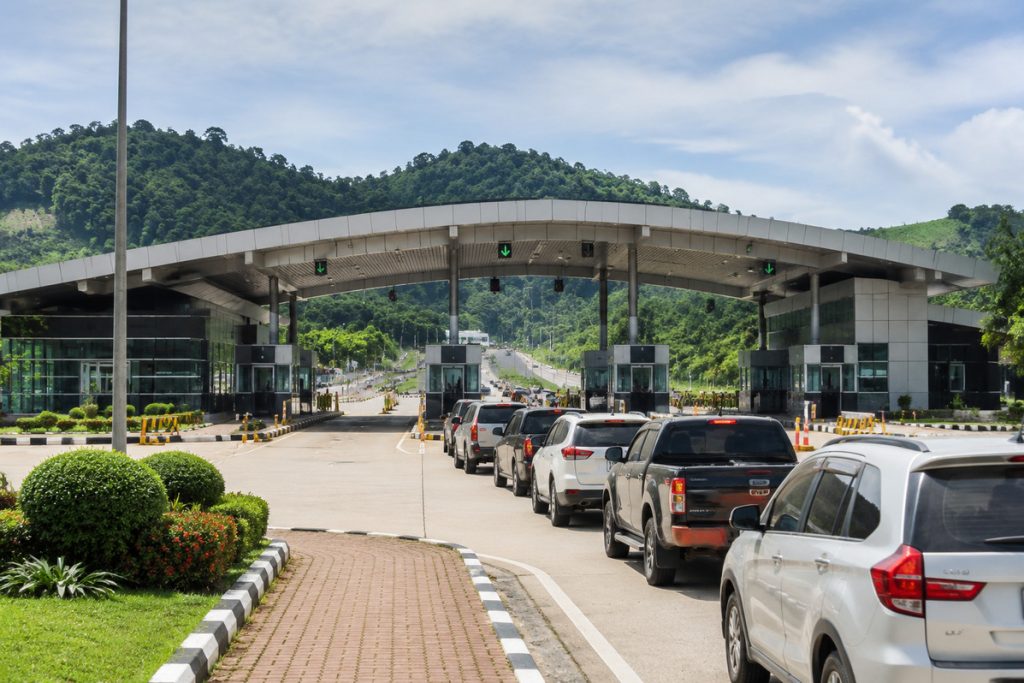
Thailand and Malaysia are opening a more direct chapter in cross-border travel after their prime ministers jointly inaugurated the new road linking Sadao in southern Thailand with Bukit Kayu Hitam in northern Malaysia. The public opening is scheduled for 11 July 2026, when the new alignment will replace the existing border route and begin handling travellers, private vehicles and commercial traffic. The project matters because Sadao is not simply a local checkpoint. It is a major land gateway serving tourists, workers, traders, logistics companies and communities across Songkhla and Kedah. By connecting the two modern customs complexes more efficiently, authorities aim to reduce congestion, remove road bottlenecks and create a clearer path through immigration, customs, quarantine and security procedures. The development also supports a broader bilateral agenda involving tourism, border trade, investment, food security, energy cooperation and action against transnational crime. Details released after the cabinet decision and the inauguration show that both governments view the link as infrastructure with regional significance. The new crossing could strengthen self-drive holidays, coach movements, freight reliability and local business activity, provided operational coordination remains consistent on both sides of the frontier. This corridor now carries greater strategic weight.
A New Border Gateway Becomes Operational
Thailand’s cabinet approved the permanent Sadao checkpoint between boundary markers 23/9 and 23/10, replacing the previous crossing between markers 22 and 23. The new facility will operate daily from 05:00 to 23:00 in Thailand, corresponding to 06:00 to midnight in Malaysia.
According to the formal implementation details reported ahead of the opening, the old alignment will close as the new route starts operating. The inauguration was held on 10 July by Thai Prime Minister Anutin Charnvirakul and Malaysian Prime Minister Anwar Ibrahim, with the Malaysian Prime Minister’s Office documenting the ceremony.
This staged transition gives authorities a defined operational changeover rather than running two competing road links. It should also reduce confusion over which route must be used by tourists, buses and commercial vehicles.
The Route Fixes a Long-Standing Infrastructure Mismatch
The project addresses a practical problem that had limited the full value of the newer customs facilities. Malaysia had completed its Bukit Kayu Hitam Immigration, Customs, Quarantine and Security complex, while Thailand had developed a new Sadao customs complex. However, an effective direct road connection remained essential for seamless operations.
The Indonesia-Malaysia-Thailand Growth Triangle had previously identified both facilities among important regional connectivity projects. The new alignment now joins the two systems physically, allowing vehicles to move between inspection points without relying on the older route.
Advertisement
Advertisement
Better geometric alignment, clearer traffic circulation and improved access can reduce unnecessary merging and queuing. Infrastructure alone, however, will not guarantee shorter waiting times. Staffing levels, inspection capacity, digital systems and coordination during peak travel periods will determine whether the crossing delivers its full benefit to travellers and transport operators.
What Changes for Travellers From 11 July
Travellers using the Sadao–Bukit Kayu Hitam corridor should follow the new road signs and avoid assuming that the familiar entrance to the old crossing will remain available. The new road is scheduled to open at 06:00 Malaysian time on 11 July, while the previous link will close permanently as the transition takes effect.
Immigration requirements do not disappear with the new infrastructure. Passports, vehicle papers, insurance documents and any applicable entry permissions remain necessary. Eligible residents who use local border documentation can review the official Malaysia–Thailand border pass guidance published by Malaysia’s Immigration Department.
Travellers should also allow additional time during the first days of operation. Drivers, coach companies, freight operators and border officers will be adapting to new lanes and inspection points. Navigation services may also require time to reflect the new alignment accurately.
Tourism Gains Extend Beyond One Checkpoint
The strongest tourism impact may be felt across a wider road-travel corridor connecting Kedah, Penang and other parts of northern Peninsular Malaysia with Songkhla, Hat Yai and onward destinations in Thailand.
Sadao already plays a major role in Malaysian visitor arrivals. Tourism Malaysia reported that more than 3.7 million Malaysian tourists entered Thailand during the first nine months of 2024, with 49.33 per cent using the Sadao immigration checkpoint.
Advertisement
Advertisement
That scale explains why even modest operational improvements could influence a large number of holidays, shopping trips, family visits and coach itineraries. A more predictable border experience may encourage self-drive tourism and short breaks. It could also support hotels, restaurants, retailers, fuel stations, tour companies and attractions on both sides.
Tourism promotion will still require accurate public information, multilingual guidance and coordinated planning during weekends, festivals and school holidays.
Trade and Freight Operators Stand to Benefit
The new link carries significant commercial importance because the border serves road freight moving through one of Southeast Asia’s most active bilateral trading relationships.
Malaysia and Thailand previously agreed to work towards US$30 billion in bilateral trade, supported by streamlined border processes and closer investment cooperation. The official bilateral trade announcement noted that Malaysia was Thailand’s largest trading partner within ASEAN in 2023.
Thailand’s Public Relations Department subsequently reported that the country’s overall border and cross-border trade reached THB1.937 trillion in 2025.
Faster and more reliable clearance at Sadao could reduce delivery uncertainty, support perishable cargo and improve scheduling for manufacturers and logistics providers. Nevertheless, the economic value will depend on consistent inspections, documentation standards and staffing rather than greater road capacity alone.
Advertisement
Advertisement
Customs and Immigration Management Remain Decisive
Thailand instructed agencies to accelerate connecting roads, address congestion, arrange shuttle services and explain the new customs and immigration channels to businesses, residents and transport operators. These tasks are central to the project’s success.
A modern border link can still become congested when lane allocation is unclear, inspection systems fail or travellers reach the wrong approach road. Authorities therefore need visible signage, updated digital maps, multilingual notices and rapid incident-management procedures.
Commercial operators should confirm the correct lanes for their cargo categories before dispatching vehicles. Travellers should rely on official announcements rather than unverified social-media information.
Malaysia’s Royal Customs Department directory lists the Bukit Kayu Hitam ICQS customs office, providing an institutional contact point for formal enquiries. Clear information during the early operating period will help prevent missed turns, duplicate inspections and avoidable delays while protecting public confidence in the new facility.
A Special Border Economic Zone Gives the Project Wider Purpose
The opening forms part of a wider plan to deepen economic activity around the frontier. During bilateral talks in Putrajaya, both prime ministers agreed to advance work on a special border economic zone and improve coordination between immigration and customs agencies.
That agenda could turn the crossing from a transport facility into a platform for manufacturing, warehousing, distribution, retail, tourism services and investment. It also reflects the development goals of the Indonesia-Malaysia-Thailand Growth Triangle, which promotes stronger economic connections between neighbouring regions.
Advertisement
Advertisement
The opportunity is substantial, but planning must avoid creating isolated infrastructure without adequate utilities, public transport, workforce development and environmental safeguards.
Communities in Kedah and Songkhla should see measurable benefits through employment, local procurement, small-business access and improved public services. Otherwise, greater traffic could place pressure on roads and communities without distributing the economic benefits of the project fairly.
Security Cooperation Forms Part of the Border Agenda
Greater connectivity creates commercial opportunities, but it also increases the need for coordinated enforcement. Thailand and Malaysia have included action against transnational crime within their bilateral border agenda.
The wider frontier has long required attention to smuggling, irregular movement, trafficking and other security risks. Recent violence in Thailand’s southern border provinces has added urgency to joint monitoring, intelligence sharing and rapid communication between agencies.
The new complex should therefore be judged by its ability to combine faster legitimate movement with effective risk screening. Modern inspection technology, targeted intelligence-led checks and clear inter-agency responsibilities can prevent security measures from becoming indiscriminate delays.
Travellers benefit when enforcement focuses on credible risks instead of imposing slow and repetitive procedures on every vehicle. Continued communication between national authorities and local agencies will remain important as traffic patterns move away from the old route and towards the new alignment.
Advertisement
Advertisement
Food and Energy Links Reinforce Economic Resilience
The bilateral discussions surrounding the opening extended beyond roads and tourism. Thailand and Malaysia also focused on food security, energy security and agricultural cooperation.
These subjects are closely connected to border performance because fresh produce, seafood, processed foods, industrial inputs and energy-related goods depend on dependable logistics. The two governments also moved to resolve a fisheries trade dispute and witnessed an agricultural cooperation agreement during the Thai prime minister’s visit.
Efficient border handling can reduce spoilage, improve traceability and give companies greater confidence when planning time-sensitive shipments. Physical speed, however, must be matched by compatible standards, transparent inspections and reliable certification systems.
When neighbouring countries address technical trade disputes quickly, the border becomes a source of economic resilience rather than disruption. This becomes particularly important during supply shortages, volatile transport costs or unexpected interruptions affecting maritime and air-freight networks.
The Opening Is a Strategic Test for Regional Integration
The Sadao–Bukit Kayu Hitam link provides a visible test of whether major infrastructure investment can produce a simpler everyday journey.
For tourists, success will mean clear routes, manageable queues and predictable operating hours. For freight operators, it will mean consistent clearance procedures and fewer avoidable delays. For border communities, it should create business opportunities without worsening congestion, pollution or insecurity.
Advertisement
Advertisement
Both countries already possess strong destination appeal, promoted through the official Tourism Authority of Thailand and Tourism Malaysia platforms. The new gateway can connect those visitor economies more effectively while supporting wider trade and investment.
Its long-term value will depend on practical management after the ceremonial opening. If customs, immigration, transport and security agencies remain coordinated, the crossing could become a stronger regional corridor. If operational weaknesses persist, the new road may simply move existing queues and delays from one location to another.
Advertisement
Advertisement
