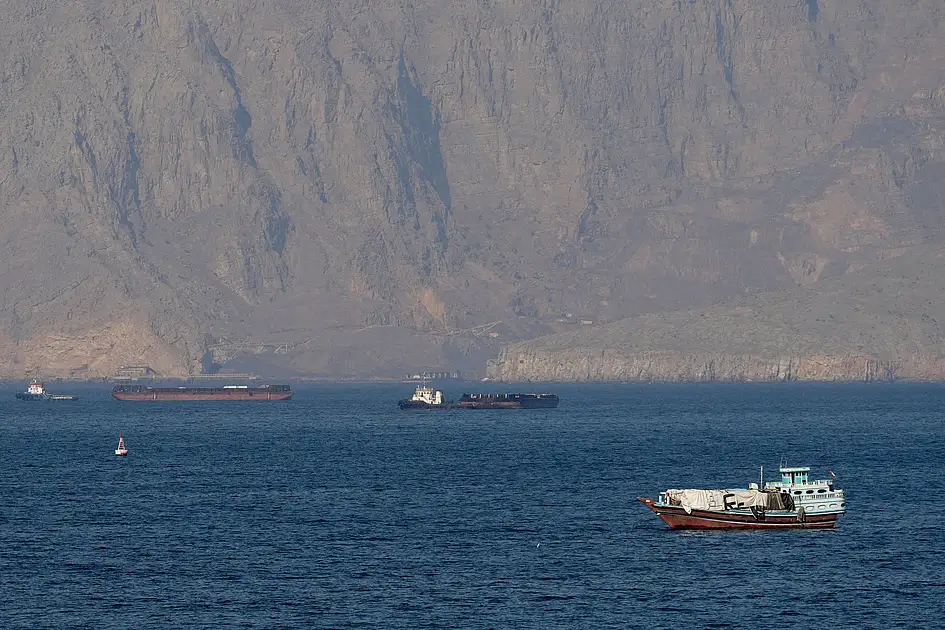
Gulf states cannot be expected to tolerate a volatile environment where periods of diplomatic restraint are systematically met with hostile actions that threaten sovereign security and international maritime trade, a top diplomat has said. This comes as tensions with Iran deepened following attacks on commercial vessels in the Strait of Hormuz and repeated aggression against Bahrain and Kuwait.
Dr Mohammed Ibrahim Al Dhaheri, Deputy Director General of Anwar Gargash Diplomatic Academy, stressed that for diplomacy to yield sustainable peace, regional stability must be treated as “non-negotiable”, and actions that violate international norms must carry “clear strategic costs”.
Stay up to date with the latest news. Follow KT on WhatsApp Channels.
He was responding to questions from Khaleej Times after US President Donald Trump said an interim accord to end the war with Iran was “over”. This followed fresh Iranian attacks on Bahrain and Kuwait after American strikes on Iranian targets. The escalation followed attacks on commercial vessels in the Strait of Hormuz, with Reuters reporting that a Qatari LNG tanker and a Saudi-flagged crude tanker were damaged near the strait, prompting maritime authorities to raise the threat risk for vessels transiting the waterway to “severe”.

Dr Al Dhaheri said UAE Presidential Adviser Dr Anwar Gargash had “accurately defined the core issue”: The attacks on Qatari and Saudi commercial vessels, combined with repeated aggression against Bahrain and Kuwait, demonstrate that “Tehran remains incapable of committing to the fundamental requirements of de-escalation”.
Dr Gargash had on Wednesday said the latest Iranian attacks were “a clear indication” that Tehran remained unable to commit to turning the page on war.
In a post on X, he said: “The Arab Gulf states cannot remain a target of Iran’s wavering between the logic of escalation and the path of rationality, stability and peace.”
The UAE’s Ministry of Foreign Affairs has strongly condemned the attacks on Qatar’s Al Rakeyyat vessel and Saudi Arabia’s Wedyan tanker, saying they constitute a “grave threat to the safety and security of international navigation” and represent “a dangerous escalation which undermines the security and stability of one of the most critical waterways in the world”.
The ministry emphasised that targeting commercial shipping and exploiting the Strait of Hormuz as a “tool of economic coercion or blackmail” are unacceptable acts that constitute a direct threat to the stability of the region, global energy security, and the safety of international trade flows.
Diplomatic options
Asked what diplomatic options remain for Gulf states to deter further escalation with Iran while keeping channels for de-escalation open, Dr Al Dhaheri said the GCC’s options remain “anchored in a position of collective strength and international legitimacy”.
“In that sense, the Gulf states should continue to pursue a clear dual-track approach,” he said.
“On one hand, this involves reinforcing regional defence capabilities, enhancing maritime intelligence sharing, and mobilising the international community to protect freedom of navigation under international law. On the other hand, the Gulf maintains open communication channels to prevent miscalculation.”
Halt to hostilities
Dr Al Dhaheri said international pressure must be purposeful and directly tied to “verifiable behavioural changes”, including an absolute halt to hostilities against civilian shipping, full respect for the sovereignty of neighbouring states, and adherence to existing maritime frameworks.
“The international community, including the United States and European partners, must deliver a unified message that the security of Gulf waterways is a global priority, not a regional issue,” he said.
Asked how regional and international actors should balance pressure on Tehran with the need to avoid triggering a wider conflict in the Gulf, he said this required “absolute strategic clarity and unity” among regional and international stakeholders.
“Fragmented or inconsistent responses from global powers only invite further miscalculation, giving state actors room to test boundaries and exploit gaps in collective security,” he said.
“Effective diplomacy relies on credible deterrence. By maintaining a firm, synchronised stance that penalises aggression while keeping a clear, conditional path open for compliance, regional and international actors can enforce stability without inadvertently escalating the conflict.”
He added: “The framework for peace exists; the burden of performance now rests entirely with Tehran.”