
Published on
June 27, 2026

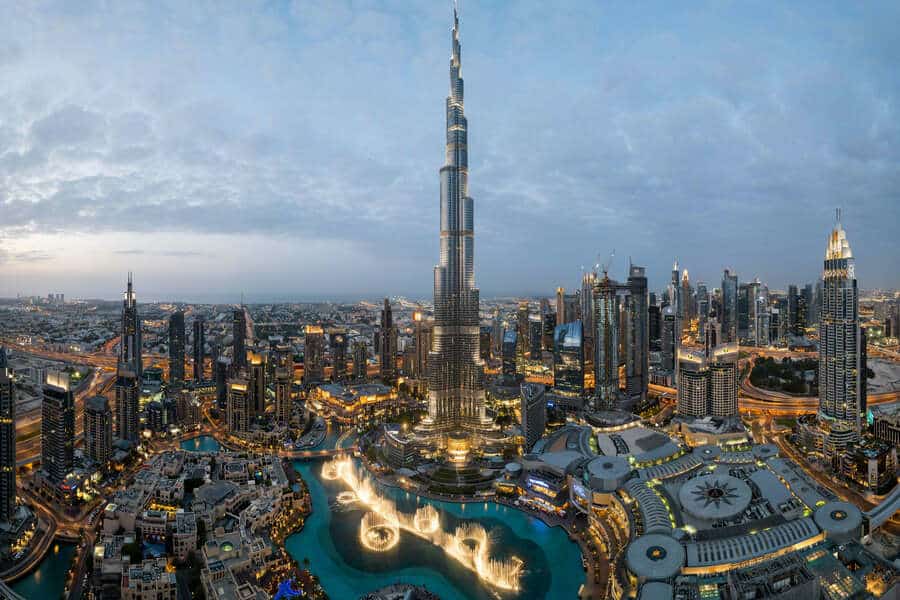
Image generated with Ai
The UAE has strengthened its tourism and mobility strategy by simplifying entry procedures for travellers from Indonesia, the Philippines, Thailand, and Vietnam, aiming to remove travel friction and accelerate inbound visitor growth across key Southeast Asian markets. This policy shift comes as the United Arab Emirates continues to position itself as a leading global aviation and tourism hub, leveraging its strategic connectivity and world-class infrastructure to attract more short-haul and long-haul travellers from high-growth economies such as Indonesia, Philippines, Thailand, and Vietnam. The move is expected to significantly enhance travel convenience, strengthen bilateral ties, and reinforce the UAE’s ambition to become one of the most accessible and globally connected tourism gateways in the region.
The global travel landscape is shifting again, and the United Arab Emirates has just positioned itself at the centre of that change. With a new simplified entry framework for visitors from Indonesia, Philippines, Thailand, and Vietnam, the Gulf nation is sending a clear message: it is open, accessible, and aggressively competing for the next wave of global travellers.
This move is not just a minor policy adjustment. It is a strategic tourism expansion decision that directly targets Southeast Asia’s fast-growing outbound travel market. The aim is simple but powerful—reduce friction at the border, increase arrivals, and strengthen long-term diplomatic and economic relationships.
Officials have emphasised that the updated entry system is designed to make travel smoother, faster, and more predictable. For millions of potential visitors across Southeast Asia, this shift could translate into fewer barriers, easier documentation, and a more welcoming travel experience into one of the world’s most connected aviation hubs.
Advertisement
Advertisement
At a time when global tourism is rebounding with intensity, the UAE is clearly positioning itself as a top-tier destination for leisure, business, and transit travel across continents.
A STRATEGIC MOVE TO REDEFINE GLOBAL TOURISM ACCESS
The UAE’s latest entry update is part of a broader national strategy that has been unfolding for years—transforming the country into a global tourism superhub. Unlike traditional destination markets that depend heavily on seasonal tourism, the UAE operates on a year-round model built around aviation connectivity, luxury experiences, and business travel.
Advertisement
Advertisement
By simplifying entry for Southeast Asian nations, the UAE is effectively widening its tourism funnel at a time when travel demand from Asia is accelerating rapidly. The decision reflects a deeper understanding of shifting global mobility trends, where convenience and speed are becoming as important as destination appeal.
Southeast Asia represents one of the most dynamic outbound travel regions in the world. Rising middle-class incomes, expanding airline connectivity, and increasing appetite for international leisure travel have made countries like Indonesia, the Philippines, Thailand, and Vietnam critical source markets.
Advertisement
Advertisement
The UAE’s approach is clear: reduce friction, increase flow, and strengthen long-term tourism loyalty from these regions.
INDONESIA: A FAST-GROWING TRAVEL MARKET WITH HIGH OUTBOUND POTENTIAL
For travellers from Indonesia, the simplified entry policy arrives at a crucial moment. Indonesia’s outbound tourism sector has been expanding steadily, driven by a young population, rising disposable income, and growing interest in international city breaks and luxury travel.
The UAE has long been a preferred transit and leisure destination for Indonesian travellers, especially those heading to Europe or the Americas. With smoother entry procedures, the UAE strengthens its role not just as a stopover hub but as a standalone destination.
Dubai and Abu Dhabi already attract Indonesian tourists for shopping, entertainment, cultural exploration, and luxury experiences. The new policy is expected to further increase short-stay visits, especially for families and group travellers seeking convenience and efficiency.
Advertisement
Advertisement
More importantly, this move reinforces aviation connectivity between Jakarta and UAE hubs, ensuring that passenger flow remains consistent and competitive in the global aviation market.
PHILIPPINES: STRONG TOURISM LINKS AND EXPANDING LABOUR MOBILITY
For travellers from Philippines, the UAE has always held dual importance—both as a tourism destination and a major employment hub.
Millions of Filipinos already live and work in the UAE, creating strong cultural and social ties between the two nations. The simplified entry system further enhances this connection by making travel easier for visiting families, tourists, and short-term business travellers.
The Philippines is also witnessing a steady rise in outbound tourism, particularly among middle-income travellers exploring Asia and the Middle East. The UAE’s improved entry framework is expected to encourage repeat travel, especially for leisure trips, shopping tourism, and cultural experiences in cities like Dubai and Abu Dhabi.
In a broader sense, this policy strengthens people-to-people connectivity, reinforcing emotional and economic bonds that already exist between the two countries.
THAILAND: A TWO-WAY TOURISM POWERHOUSE BENEFITING FROM EASIER ACCESS
Thailand plays a unique role in global tourism. It is both a leading outbound travel market and one of Asia’s strongest inbound tourism destinations.
Advertisement
Advertisement
The UAE’s simplified entry policy is expected to deepen travel exchanges between the two countries. Thai travellers are increasingly exploring long-haul destinations for shopping, luxury tourism, and cultural experiences, and the UAE fits perfectly into this demand profile.
At the same time, Thailand’s strong aviation links with the Middle East ensure consistent connectivity through major airlines and transit routes. The new policy reduces administrative friction, making travel planning more seamless for Thai tourists.
Dubai’s positioning as a global luxury hub aligns closely with the preferences of Thai travellers, particularly younger demographics seeking premium travel experiences, entertainment, and global city exploration.
This mutual tourism flow is expected to strengthen further as both countries expand aviation capacity and bilateral tourism cooperation.
VIETNAM: EMERGING OUTBOUND MARKET WITH HIGH GROWTH POTENTIAL
For Vietnam, the UAE’s entry simplification comes at a time of rapid tourism transformation. Vietnam’s rising middle class is increasingly participating in international travel, with strong demand for short-haul and mid-haul destinations.
The UAE is strategically positioned to benefit from this trend. With its world-class airports, luxury hospitality sector, and diverse tourism offerings, it appeals strongly to first-time international travellers as well as experienced tourists.
Advertisement
Advertisement
Vietnamese travellers are particularly drawn to shopping tourism, modern city experiences, and iconic architectural landmarks—areas where the UAE excels.
The simplified entry process reduces travel uncertainty, making the UAE a more attractive and accessible destination. This is expected to increase visitor volumes over time, particularly among young travellers, families, and business visitors exploring international opportunities.
UAE’S TOURISM STRATEGY: BUILDING A GLOBAL MOBILITY POWERHOUSE
At the centre of this policy shift is the UAE’s long-term ambition to remain one of the world’s most influential tourism and aviation hubs. The country has consistently invested in infrastructure, airline expansion, and global connectivity.
Dubai International Airport and Abu Dhabi’s aviation network already serve as critical global transit points linking Asia, Europe, and Africa. By easing entry for Southeast Asian travellers, the UAE strengthens its competitive advantage in global tourism routing.
This strategy is not limited to tourism alone. It also supports trade, investment, and diplomatic engagement, positioning the UAE as a bridge between East and West.
The move reflects a broader global trend where nations are increasingly competing for mobile travellers by offering smoother entry systems and improved visitor experiences.
Advertisement
Advertisement
DIPLOMACY THROUGH TOURISM AND PEOPLE CONNECTIVITY
Beyond economics, the simplified entry policy carries strong diplomatic significance. Strengthening ties with Indonesia, Philippines, Thailand, and Vietnam reflects the UAE’s growing engagement with ASEAN nations.
Tourism has increasingly become a tool of diplomacy, enabling cultural exchange and deeper mutual understanding between regions. Easier travel access encourages more frequent visits, business interactions, and educational exchanges.
This policy is likely to enhance long-term cooperation in areas such as aviation, trade, and investment. It also strengthens the UAE’s reputation as a globally connected and forward-looking nation.
FUTURE OUTLOOK: MORE OPEN SKIES AND HIGHER TOURISM FLOWS
The simplified entry policy is expected to generate measurable growth in inbound tourism from Southeast Asia over the coming years. As global travel continues to recover and expand, destinations that offer speed, convenience, and accessibility will dominate traveller preference.
The UAE is clearly preparing for this future. By reducing entry barriers for key Asian markets, it is ensuring sustained tourism growth, stronger aviation performance, and deeper international engagement.
For travellers from Indonesia, Philippines, Thailand, and Vietnam, the message is clear: the UAE is becoming easier, faster, and more welcoming than ever before.
Advertisement
Advertisement
This policy marks not just a procedural update, but a strategic shift in global tourism dynamics—one that places the UAE firmly at the centre of Asia–Middle East travel connectivity.
The simplified entry policy introduced by the United Arab Emirates for travellers from Indonesia, Philippines, Thailand, and Vietnam marks a decisive shift in the region’s tourism and mobility landscape.
This move directly reduces travel friction, strengthens people-to-people connectivity, and reinforces the UAE’s position as a leading global hub for tourism, aviation, and international exchange. By opening smoother access for key Southeast Asian markets, the UAE is not only attracting higher visitor flows but also deepening long-term diplomatic and economic relationships across Asia.
The UAE has simplified entry procedures for travellers from Indonesia, the Philippines, Thailand, and Vietnam as part of a strategic move to reduce travel barriers, boost inbound tourism flows, and strengthen regional connectivity across key Southeast Asian markets.
Ultimately, the policy reflects a clear strategic direction: to build a more connected, accessible, and tourism-driven future where the UAE remains a central gateway between Asia and the wider world.
Advertisement
Advertisement
