

Amid growing concerns over alleged irregularities, the TH-AI Passport project, the brainchild of Digital Economy and Society Minister Chaichanok Chidchob, has triggered a wave of criticism and left the Bhumjaithai-led government politically exposed.
Earlier this week, the opposition warned it would seek an anti-graft investigation into the 1.6-billion-baht project if the government presses ahead with it. The DES Ministry has insisted it will proceed because the contract has already been signed. The House legal affairs committee also plans to summon Mr Chaichanok to explain the project next week.
Critics have raised concerns over the cost of the project and a lack of transparency in the bidding process. Their warnings deserve to be heard, both by the public and the government.
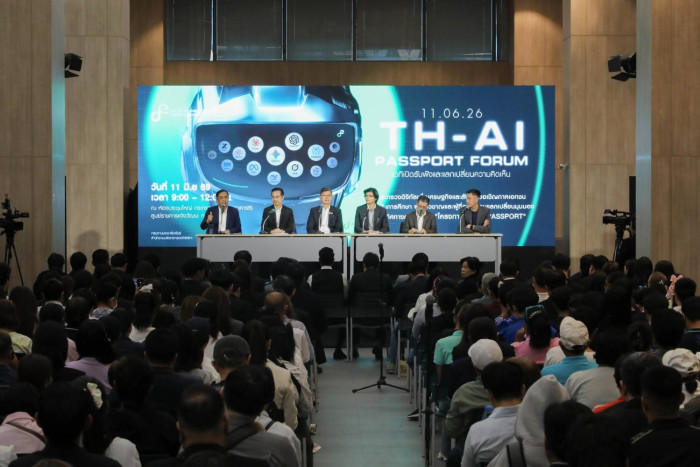
As frustration grew, the DES Ministry organised a public consultation forum. Inarguably, the forum was seen by many as an attempt to whitewash the controversial project. Had the ministry been sincere, such a forum should have taken place before the project began and before the first payment was approved.
The ministry has insisted the contract has already been signed. But lest we forget, TH-AI Passport is not the first phase of the scheme. It is the second, and the ministry has already planned a third phase. The scheme is part of the government’s efforts to improve public access to artificial intelligence.
Yet important questions remain unanswered, particularly over the dubious terms of reference, the design of procurement requirements that appear to have limited competition, the rationale behind certain public relations components specified in project documents and possible links between political figures and the winning contractor.
The TH-AI Passport project also reflects the growing role and budget of the DES Ministry. Once regarded as a relatively quiet portfolio, the ministry has seen one of the sharpest increases in state funding, with its budget rising by 3.4 billion baht, or 33.62%, from last year. The Board of Digital Economy and Society, in particular, was allocated more than 2.4 billion baht, almost double last year’s figure. At this stage, it is understood that part of the budget is intended for the second phase of the AI Passport project.
Yet Mr Chaichanok, son of Bhumjaithai adviser Newin Chidchob, appears undaunted amid simmering public anger. His apparent disregard for criticism may stem from the fact that he represents a powerful political dynasty in the Northeast. Some pundits even believe he could be a future prime ministerial candidate.
As a political rookie, Mr Chaichanok may think he can afford to shrug off criticism, given Bhumjaithai’s influence and its connections with a number of agencies tasked with scrutiny.
But Prime Minister Anutin Charnvirakul and the government must be cautious. They should not be overconfident in their political connections, as this contentious project could mark the beginning of a serious decline in public trust.
Mr Anutin, as head of government, must step in and order a review, if not shelve the project immediately. By distancing himself from the controversy, he risks giving the impression that he condones the alleged irregularities, while also raising questions about how much influence Mr Newin retains over the ruling party and the administration.
It is an open secret that the Anutin administration is an ad hoc alliance, a gathering of political dynasties seeking state power. It is not comparable to the dominance once enjoyed by Thaksin Shinawatra’s political dynasty under the singular umbrella of Pheu Thai.
At first glance, or at least for now, the Anutin government may appear strong. But deep inside, its political foundation is fragile. Its rise to power remains clouded by complaints of widespread poll rigging.
Mr Anutin should also learn from past governments that lost public trust over corruption and eventually stumbled. The TH-AI Passport project could certainly bring trouble to the administration, with the opposition already rolling up its sleeves.
The government should realise that its control of parliament may not always guarantee political survival. A majority vote can help a government maintain its footing, but without public trust, no administration in Thai political history has been able to govern for long.
The Thai people are already frustrated with this government as they struggle with economic hardship, inflation, the cost of living and the government’s inability to solve the energy crisis. One more controversy could be the last straw.