
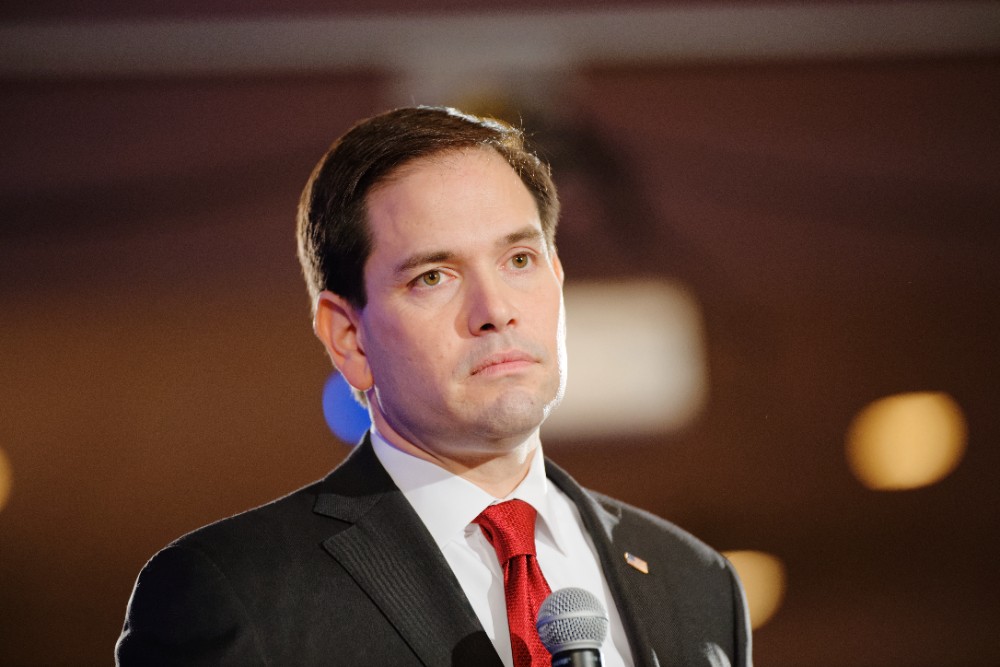
NEW DELHI — U.S. Secretary of State Marco Rubio’s arrival in India this week carries the distinct weight of a diplomatic rescue mission. Billed as a four-day effort to steady increasingly rocky relations between Washington and New Delhi, the high-stakes visit is a delicate balancing act of hard-nosed geopolitical strategy, deep trade anxieties, and calculated cultural diplomacy.
The relationship between the two democratic giants has faced severe headwinds in recent months. Ties were sharply strained after the Trump administration slapped steep tariffs on Indian exports—a punitive measure provoked, in part, by New Delhi’s persistent purchasing of Russian oil. According to reporting by the Associated Press, the sudden economic penalties “angered Indian officials and fueled concerns in the Indian government over Washington’s reliability.”
While a temporary interim agreement managed to roll back some of the tariffs in exchange for India buying more American goods, a comprehensive, long-term trade deal remains frustratingly out of reach. Yet, beneath the economic friction lies a shared geopolitical reality that neither side can afford to ignore. Washington views India as the definitive counterweight to China’s expanding military and economic footprint in the Indo-Pacific.
Seeking to bridge this trust deficit during a marathon round of Sunday meetings, Rubio sat down with Indian Prime Minister Narendra Modi and Foreign Minister Subrahmanyam Jaishankar to talk defense, technology, and maritime security. He assured his counterparts that both nations “remained strategically aligned,” as noted by the AP, and dangled an optimistic timeline for a looming trade deal, alongside an official invitation from President Donald Trump for Modi to visit Washington later this year.
That alignment will face a crucial test on Tuesday when Rubio joins the foreign ministers of Australia and Japan for talks under the banner of the Quadrilateral Security Dialogue. The ‘Quad’ alliance has long been a thorn in Beijing’s side, routinely drawing Chinese accusations of regional containment. However, President Trump’s recent diplomatic trip to China, paired with the ongoing trade spats with New Delhi, has introduced a layer of unpredictability to the alliance. Analysts point out that India’s strategic value to the West relies heavily on the friction between Washington and Beijing. As Praveen Donthi, a senior analyst at the International Crisis Group, told the AP, “If the U.S. changes its approach towards China, it will diminish India’s importance.”
Compounding the diplomatic tension is a worsening energy crisis. The ongoing war involving Iran has injected severe volatility into global oil markets, threatening shipping lanes through the critical Strait of Hormuz and driving up domestic fuel costs for a vulnerable Indian economy. Jaishankar emphasized Sunday that India would aggressively diversify its energy suppliers—including increasing its intake of U.S. oil and gas—to shield its markets.
The pivot toward American energy serves a dual purpose, as Rubio heavily pressured New Delhi to draw down its controversial reliance on discounted Russian crude, which has remained a stubborn thorn in the side of U.S.-India relations since the outbreak of the Ukraine war.
Amidst the heavy friction of energy demands and trade standoffs, Rubio has deliberately leaned into cultural diplomacy to soften the trip’s edge. He began his tour in Kolkata with a somber visit to the Missionaries of Charity headquarters founded by Mother Teresa, later pivoting to a gala reception in New Delhi celebrating the 250th anniversary of U.S. independence.
Before heading home, the Secretary’s itinerary takes him through the historic, palace-lined streets of Agra and Jaipur, offering a momentary, scenic respite from the grinding machinery of global politics.