
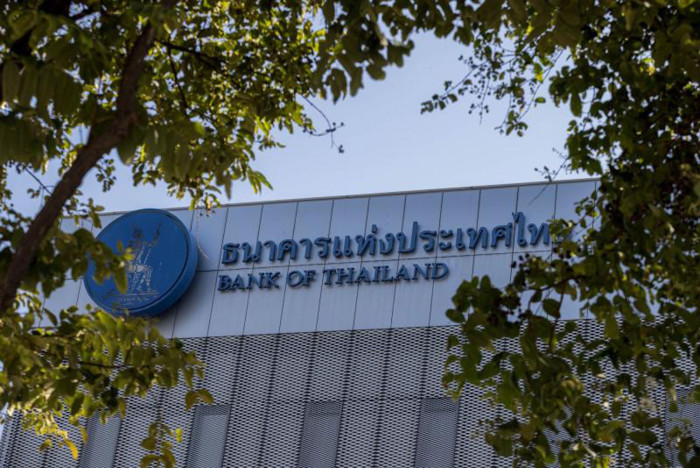
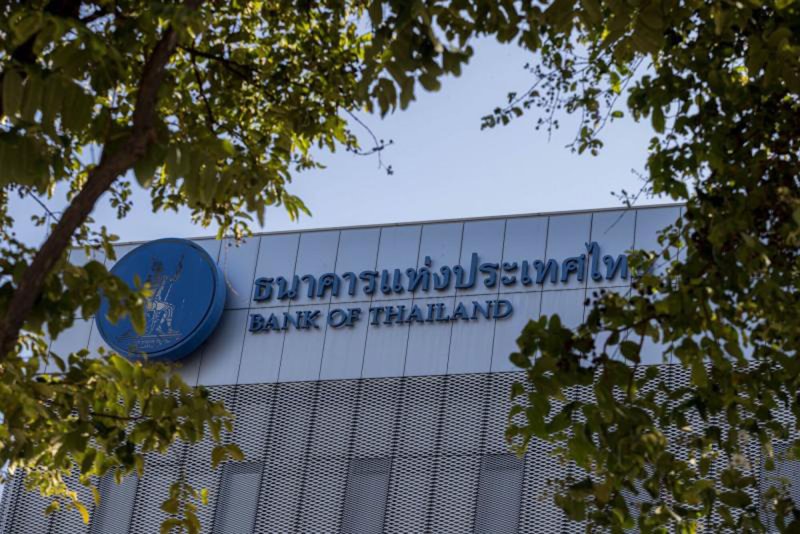
The Bank of Thailand is urging the government to emphasise the quality of foreign direct investment (FDI) in order to generate higher value-added benefits for the Thai economy over the long term.
According to the central bank’s Monetary Policy Report for the first quarter of 2026, Thailand has made notable progress in attracting FDI, with inflows reaching a record US$18.8 billion in 2025.
FDI inflows over the past five years were 1.8 times higher than in the five years prior to the pandemic.
A key driver has been the rapid expansion of the information and communication technology services sector, particularly data centres, where investment has grown 50-fold compared with pre-pandemic levels. This trend is consistent with broader developments across Southeast Asia.
Investment patterns in Thailand closely resemble those in Malaysia, with strong inflows into electronics and services, while Indonesia continues to attract FDI primarily in resource-based industries such as metals.
“Yet Thailand’s competitiveness in attracting FDI still lags behind several regional peers, ranking as the fourth-largest destination in the region after Singapore, Vietnam and Malaysia,” the report noted.
Singapore’s exceptionally high FDI-to-GDP ratio reflects its status as a global financial hub, while Vietnam and Malaysia benefit from more competitive labour costs, stronger regulatory frameworks and higher institutional quality.
Although Thailand’s FDI-to-GDP ratio rose from 1.7% during the pre-pandemic period of 2015-2019 to 2.7% between 2021 and 2025, concerns are increasing over the quality of FDI and its contribution to domestic value creation, according to the central bank.
“Investments in new industries, particularly electronics, machinery and automotive, tend to generate relatively low domestic value added because foreign firms increasingly rely on imported inputs and components. In the electronics sector, more than half of product value is derived from imports,” the report stated.
The structure of foreign investors has also shifted significantly. Before the pandemic, Japan accounted for more than half of total FDI into Thailand. In the post-pandemic period, its share has fallen sharply to around 12%, while China’s share has risen from 12% to 16%.
Chinese investment is heavily concentrated in emerging industries such as electric vehicles, which remain in the early stages of supply chain development in Thailand. As a result, these sectors continue to rely heavily on imported components and maintain limited linkages with local suppliers.
Domestic firms, particularly small and medium-sized enterprises (SMEs), still face challenges in supplying specialised materials and intermediate goods.
According to the report, Thailand’s role in global value chains has shifted further downstream over the past decade. New investments are largely concentrated in midstream and downstream activities such as assembly, testing and packaging. Higher value-added activities, including design, R&D, and the production of key raw materials, remain limited.
This structural position has implications for both economic value creation and employment. As investment becomes increasingly capital-intensive, the benefits in terms of job creation have been relatively modest, with the capital-to-labour ratio continuing to rise, the regulator noted.
“While FDI remains a crucial driver of Thailand’s economic growth, policy efforts should increasingly focus on improving the quality of investment rather than simply expanding its volume,” the report said.
Priorities should include upgrading workforce skills to support advanced industries, strengthening the capabilities of local SMEs to increase the use of domestic inputs, and fostering stronger linkages between foreign investors and local supply chains. Such measures will be critical in enabling Thailand to move up the global value chain and achieve more sustainable, value-added growth in the years ahead, the regulator noted.