
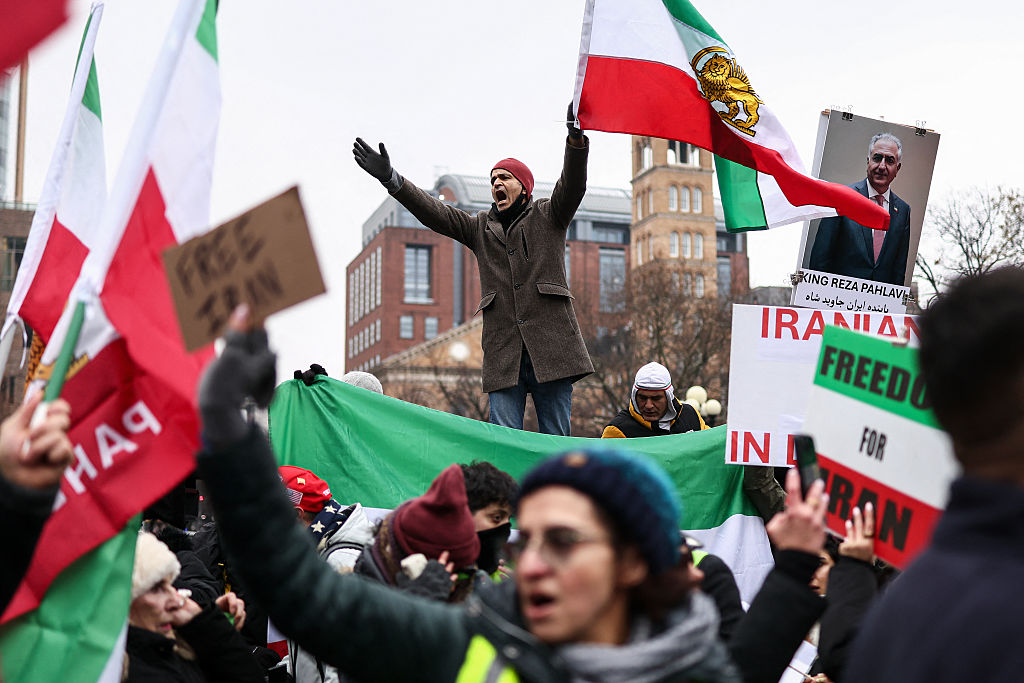
Amid ongoing instability in the Middle East, Iran has remained a central player in regional tensions by extending its influence through alliances and proxy networks. But while international attention often focuses on Tehran’s actions and increased volatility, analysts are now pointing to a broader geopolitical dynamic — one in which Beijing plays a significant, albeit less visible, role.
Over the past decade, China has deepened its economic and strategic ties with Iran, positioning itself as a key partner at a time when Tehran faces extensive Western sanctions. Critics argue that this relationship has provided Iran with critical economic lifelines, while supporters view it as part of China’s broader effort to secure energy resources and expand its global influence.
RELATED: Iran Conflict Accelerates Asia’s Shift to Electric Vehicles, Data Suggests
A strategic partnership
According to a May 3 analysis by the Foundation for Defense of Democracies, China has become Iran’s largest trading partner, playing a central role in sustaining its economy under sanctions pressure.
The report, authored by Craig Singleton and a senior analyst, highlights multiple areas of cooperation, suggesting that Beijing’s support extends beyond trade into finance, technology, and diplomacy.
Success
You are now signed up for our newsletter
Success
Check your email to complete sign up
While China has publicly positioned itself as a stabilizing force in global affairs, the report argues that its engagement with Iran reflects a more complex strategy by balancing economic interests with geopolitical considerations.
1. Economic lifelines and energy trade
One of the most significant aspects of the relationship is China’s continued purchase of Iranian oil. Despite international restrictions, analysts say that smaller, independent refineries have facilitated ongoing imports, providing Iran with a crucial source of revenue.
This trade has helped offset the impact of sanctions, allowing Iran to maintain economic stability while continuing to fund domestic programs and regional activities.
2. Technology and supply chains
The report also points to the role of Chinese firms in supplying components used in Iran’s industrial and defense sectors. Items such as microelectronics and specialized equipment are believed to play a role in supporting Iran’s technological capabilities.
While such cooperation may fall within the scope of commercial trade, critics argue that it has broader implications, particularly in regions affected by conflict.
3. Financial channels and sanctions evasion
To navigate international financial restrictions, China and Iran have reportedly expanded alternative payment mechanisms, including transactions conducted in renminbi. Smaller financial institutions operating outside major global systems have also been used to facilitate trade.
These arrangements, analysts suggest, have enabled Iran to maintain access to global markets despite sanctions, creating what some describe as a parallel financial network.
4. Diplomatic and institutional support
On the diplomatic front, China has supported Iran’s integration into multilateral frameworks such as BRICS and the Shanghai Cooperation Organization. These moves have helped reduce Tehran’s isolation on the global stage and provided additional avenues for economic and political engagement.
Observers note that such support aligns with China’s broader efforts to strengthen partnerships across the Global South while counterbalancing Western influence.
5. Surveillance technology
Beyond state-level cooperation, concerns have also been raised about the export of surveillance technologies. Reports from international media and human rights organizations indicate that monitoring systems, including cameras and facial recognition tools, have been deployed in Iran.
These technologies have drawn attention in the context of domestic unrest, particularly during protests that have emerged in recent years. Critics argue that such tools may enhance the capacity of authorities to monitor and respond to dissent, while others note that similar technologies are widely used globally for public security purposes.
Looking ahead
China’s engagement with Iran reflects a broader strategic calculation. As competition between major powers intensifies, partnerships with countries facing Western sanctions can offer both economic opportunities and geopolitical leverage.
For Beijing, Iran represents not only an energy supplier but also a partner in a region critical to global trade and security. For Tehran, the relationship provides a degree of economic resilience and international support. The evolving relationship between China and Iran underscores the complexity of modern geopolitics, where economic interests, security concerns, and ideological differences intersect.
As tensions in the Middle East continue, the role of external actors, including China, is likely to remain a subject of debate. Whether viewed as pragmatic cooperation or strategic alignment, the partnership between Beijing and Tehran is poised to influence regional dynamics for years to come.
Editorial note: This article reflects analysis based on publicly available reports and does not represent a single definitive viewpoint.