
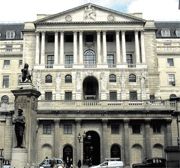
The Bank of England has, as many analysts predicted, held interest rates at 3.75% today (30 April).
Its monetary policy committee (MPC) voted 8-1 in favour of keeping rates unchanged as inflationary pressures and geopolitical uncertainty continue to weigh heavy.
Inflation came in at 3.3% last month, higher than expected, while uncertainty linked to the Iran conflict continues to cloud the economic picture.
Jeremy Batstone-Carr, European strategist at Raymond James Wealth Management, said the split was “unsurprising”, noting that some policymakers had already signalled the possibility of further tightening.
He said March’s modest easing in underlying inflation had been enough to “placate the majority” for now, with Governor Andrew Bailey indicating reluctance to raise rates without clearer evidence.
The decision leaves the Bank “operating on a knife-edge”, according to Kevin Brown at Scottish Friendly.
He said policymakers are effectively betting that energy-driven inflation will prove temporary, but warned that “many households are already struggling”, with more than half reporting that prices are still rising noticeably.
For advisers, the hold could reinforce cautious client behaviour.
Nick Henshaw at Wesleyan said some clients may be tempted to sit in cash, but warned that doing so risks missing out on long-term growth opportunities, particularly in an environment where inflation remains elevated.
The impact is also being felt in retirement planning. Nick Flynn at Canada Life said annuity rates remain attractive despite the pause, as pricing is driven more by gilt yields than the Bank Rate itself.
Meanwhile, borrowers face continued uncertainty.
Sarah Pennells at Royal London said rates are likely to remain higher for longer than many had hoped, adding that those approaching the end of fixed-rate deals should seek advice as lenders continue to adjust pricing in a volatile market.