
Technology has reshaped nearly every aspect of modern life, but few areas have experienced as rapid and visible a transformation as the entertainment industry. Over the past two decades, advancements in digital infrastructure, mobile devices, and data processing have changed not only how content is produced, but also how it is delivered and consumed. As a result, entertainment has become more accessible, more personalized, and more interactive than ever before.
From Traditional Media to Digital Ecosystems
In the past, entertainment was largely defined by fixed schedules and limited distribution channels. Television programming followed strict timetables, and audiences had little control over when or how they consumed content. The rise of the internet marked the beginning of a major shift. Digital platforms introduced new ways to distribute media, breaking the constraints of time and location.
Streaming services quickly became central to this transformation. Instead of waiting for scheduled broadcasts, users could access content on demand. This change not only increased convenience but also altered audience expectations. Viewers began to expect instant access, high-quality streaming, and a wide selection of content at their fingertips.
At the same time, production processes evolved. Digital tools made it easier to create and distribute content, allowing smaller creators to enter the market. This democratization of content creation has contributed to the diversity of voices and formats available today.
Changing Patterns of Media Consumption
One of the most noticeable effects of technological development is the shift in how people consume media. Mobile devices have become the primary gateway to entertainment. Whether it is watching videos, listening to music, or following live events, users now rely on smartphones and tablets to stay connected.
This shift has led to shorter attention spans and a preference for flexible content formats. Short-form videos, highlights, and interactive content have gained popularity, as they fit easily into daily routines. At the same time, long-form content remains relevant, particularly when supported by strong storytelling and high production value.
Personalization is another defining feature of modern media consumption. Algorithms analyze user behavior to recommend content tailored to individual preferences. This creates a more engaging experience, as users are more likely to discover content that aligns with their interests.
The Role of Streaming, AI, and Interactive Platforms
Streaming technology is at the core of the modern entertainment landscape. It enables real-time access to events, supports global distribution, and allows platforms to scale efficiently. Beyond video streaming, audio and gaming services have also adopted similar models, expanding the reach of digital entertainment.
Artificial intelligence plays a crucial role in enhancing these platforms. It is used to analyze viewing habits, optimize recommendations, and even assist in content creation. AI-driven insights help companies understand audience behavior and refine their offerings accordingly.
Interactive platforms have introduced a new dimension to entertainment. Instead of passively consuming content, users can now participate in various ways. This includes live chats during broadcasts, voting systems, and real-time feedback mechanisms. These features create a sense of involvement that was not possible in traditional media formats.
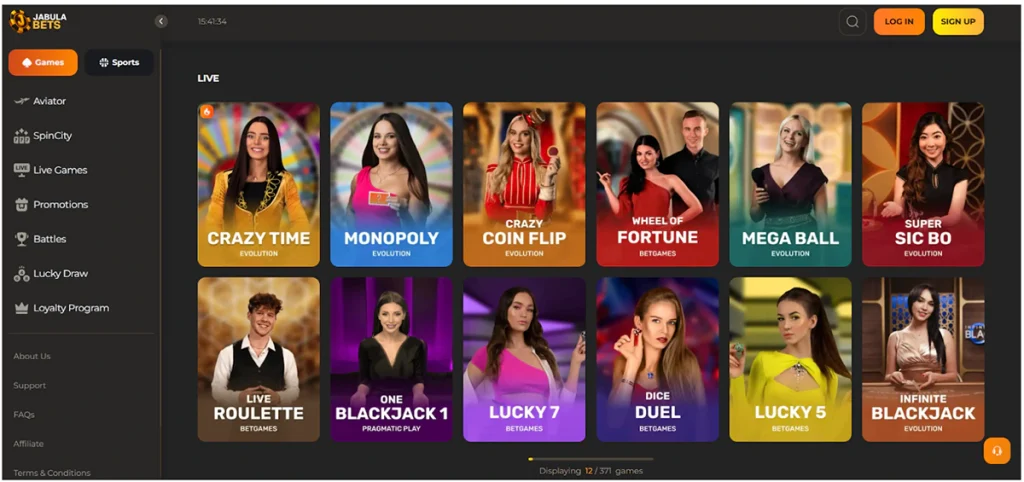
In some cases, platforms integrate additional elements that blend entertainment with participation. For example, certain services incorporate live casino games as part of their real-time streaming environments, offering users a more engaging and interactive experience.
In some cases, platforms integrate additional elements that blend entertainment with participation. For example, certain services incorporate live casino games as part of their real-time streaming environments, offering users a more engaging and interactive experience.

Evolving User Engagement
User engagement has become a central focus for entertainment platforms. The goal is no longer just to attract viewers, but to keep them actively involved. This has led to the development of features that encourage continuous interaction.
Real-time experiences are particularly important in this context. Live streaming events, online gaming sessions, and interactive broadcasts create a sense of immediacy. Users feel more connected when they can respond instantly and see the results of their actions.
Community building is another key aspect. Social features such as comments, sharing, and collaborative activities help users connect with each other. This transforms entertainment into a shared experience rather than an individual activity.
Gamification also plays a role in increasing engagement. By introducing elements such as rewards, challenges, and progress tracking, platforms can motivate users to spend more time interacting with content.
Future Trends in Entertainment and Media
Looking ahead, technological development is likely to continue shaping the entertainment industry in new ways. Virtual reality and augmented reality are expected to become more widespread, offering immersive experiences that go beyond traditional screens. These technologies have the potential to redefine how users interact with content.
Another important trend is the integration of different media formats. Platforms are increasingly combining video, audio, and interactive elements into unified experiences. This convergence allows users to switch seamlessly between different types of content without leaving the platform.
Data-driven decision-making will also become more prominent. As platforms collect more information about user behavior, they will be able to refine their strategies and create more targeted content. This could lead to even higher levels of personalization.
At the same time, challenges such as data privacy and content regulation will need to be addressed. As technology evolves, ensuring a balance between innovation and user protection will be essential.
Conclusion
Technological development has fundamentally transformed the entertainment industry and the way people consume media. From the rise of streaming platforms to the integration of artificial intelligence and interactive features, the landscape continues to evolve at a rapid pace.
These changes have created new opportunities for both creators and consumers. Content is more accessible, experiences are more engaging, and users have greater control over how they interact with entertainment. As new technologies emerge, the industry will likely continue to adapt, offering even more innovative ways to connect, engage, and entertain.
Last Updated on April 23, 2026 by Nick Ross