
Close Menu
Simply Invest Asia
  • Home
  • About us
  • Explore industries/sectors
    • Automobile
    • Aviation
    • Banking
    • Biotechnology
    • Chemical & Fertilizer
    • Entertainment and Media
    • Food Processing
    • Healthcare
    • Iron and Steel
    • Leather
    • Mining
    • Oil and Gas
    • Pharmaceutical
  • Explore by countries
    • China
    • Dubai / UAE
    • Hong Kong
    • India
    • Indonesia
    • Japan
    • Malaysia
  • Explore cities
    • Bangkok
    • Beijing
    • Chongqing
    • Delhi
    • Dubai
    • Guangzhou
    • Jakarta
    • Kuala Lumpur
  • Why Asia
Facebook X (Twitter) Instagram Threads
Trending:
  • Flights Cancelled Across China as 6,734 Delays and 227 Cancellations Paralyze Hubs in Beijing, Shanghai, and Guangzhou, Leaving Passengers Stranded via China Eastern, Tianjin, Spring and More Airlines
  • Indonesia layoffs rise to 32,389 in first half amid manufacturing slowdown – Asia News Network
  • Dar calls for expanding ties with UAE – Pakistan
  • Proposed EU ETS Changes Draw Fire From All Sides
  • Hong Kong’s first-time lawmakers ask fewer questions but attend Legco more often
  • India’s youth begin to stir • Inside Story
  • Malaysian filmmaker Edmund Yeo premieres ‘The Age of Goodbyes’ at Toronto Film Festival
  • CJP’s Parliament march Live Updates: ‘Won’t move until Dharmendra Pradhan resigns’; CJP continues protest at Jantar Mantar | Delhi News
  • Finance Colombia » Collective Mining Advances Guayabales Exploration Adit and Appoints New Projects Vice President
  • AirBorneo takes off to KL
  • The Japanese Yen is stuck in a stalemate nobody can afford to break
  • In Photos: Sam-A And Aliff Flash Their Skills At Bangkok’s Evolve MMA Ahead Of The Inner Circle 23
  • IKEA Owner Puts Eight China Stores on the Market as Sales Slump
  • Shakhboot bin Nahyan Receives South Sudan’s Minister of Foreign Affairs
  • MSF demands Israel release detained Palestinian healthcare workers | Israel-Palestine conflict News
  • Hong Kong Stock Exchange: Hang Seng Surges 2.4% to 25,143 as Offshore Chinese Equities Lead Regional Gains
  • Chaos in India as ‘Cockroach activists’ march on parliament | Newsfeed
  • US claims 3 China-linked spy sites in Cuba monitoring American military activity
Tuesday, July 21
Facebook X (Twitter) Instagram
Simply Invest Asia
  • Home
  • About us
  • Explore industries/sectors
    • Automobile
    • Aviation
    • Banking
    • Biotechnology
    • Chemical & Fertilizer
    • Entertainment and Media
    • Food Processing
    • Healthcare
    • Iron and Steel
    • Leather
    • Mining
    • Oil and Gas
    • Pharmaceutical
  • Explore by countries
    • China
    • Dubai / UAE
    • Hong Kong
    • India
    • Indonesia
    • Japan
    • Malaysia
  • Explore cities
    • Bangkok
    • Beijing
    • Chongqing
    • Delhi
    • Dubai
    • Guangzhou
    • Jakarta
    • Kuala Lumpur
  • Why Asia
Simply Invest Asia
Home»Explore by countries»China»India cautiously unlocks Chinese investment after years of resistance
China

India cautiously unlocks Chinese investment after years of resistance

By IslaApril 19, 20265 Mins Read
Share
Facebook Twitter Pinterest Threads Bluesky Copy Link


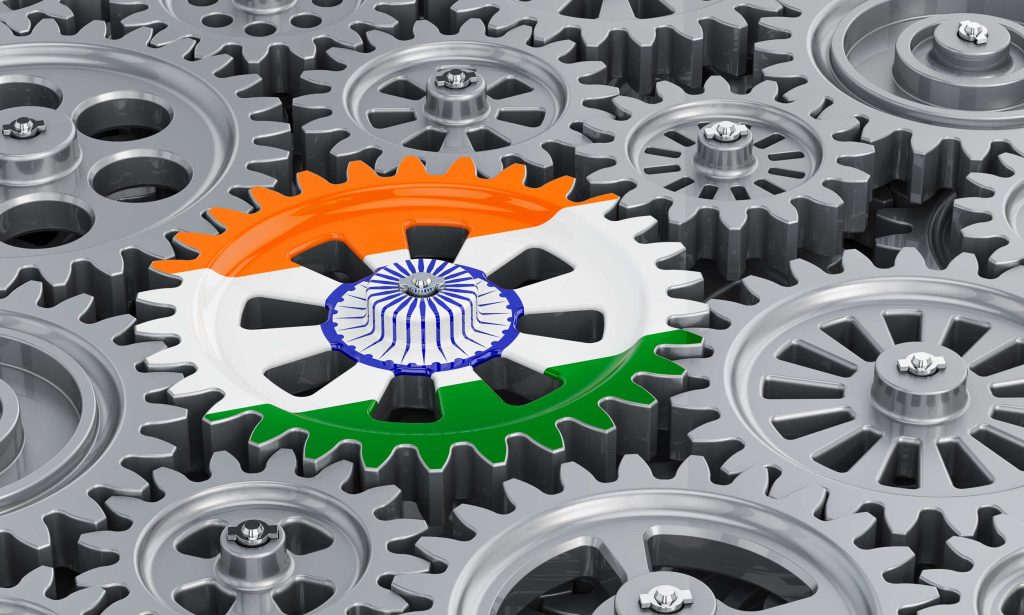
On 10 March this year, India’s cabinet approved changes to foreign direct investment (FDI) rules that had restricted investments from China and other neighbouring countries since the 2020 India-China border clashes. The new rules, “Press Note 2, 2026”, amend “Press Note 3, 2020” and allow non-controlling stakes of up to 10% in Indian firms without prior government approval. Additionally, the government will provide a 60-day expedited approval process for investments in priority manufacturing sectors such as electronics, capital goods, and solar cells, including those from Chinese companies. India hopes the move will accelerate FDI from China and attract manufacturing hubs away from Southeast Asia.

Formed in the aftermath of the border skirmishes between India and China in the Galwan Valley and the subsequent military standoff, the 2020 rules sought to impose punitive action by halting all investment proposals by Chinese companies in India. However, in the post-2020 period, the volume of bilateral trade between the two countries kept rising, with China emerging as India’s second-largest trading partner.

In reality, the move to curtail Chinese investment was more about optics than substance. China has never been a major source of FDI in India. A mere US$2.5 billion, or 0.3% of the total equity inflow reported in India between April 2000 and December 2025 was from Chinese investments, making China the 23rd-largest investor in the country. However, indirect investments by global venture capital and private equity funds with Chinese connections were affected. In July 2024, India’s Commerce Minister Piyush Goyal confirmed there would be no rethink on Chinese investment, repeating his point the following year.

Meanwhile, voices within and outside the Indian government had taken a contrarian view, many wanting to take advantage of the China+1 strategy – a business approach where companies maintain primary manufacturing in China but have subsidiaries in another country. The 2023–24 Economic Survey, the flagship annual publication of India’s Ministry of Finance prepared under the guidance of the Chief Economic Adviser (CEA), argued in favour of seeking FDI from China to boost local manufacturing and tap the export market. Unlike the political elite and ministers, the CEA, under the Indian system, is a professional economist with a defined role within the Finance Ministry.

The Survey assessed that as the United States and Europe were shifting their immediate sourcing away from China, it would be more effective to have Chinese companies invest in India and then export the products to these markets rather than importing from Beijing. Welcoming Chinese FDI as a strategy to increase India’s global supply chain participation is more advantageous than relying on trade alone, the report stressed. Commerce Minister Goyal, however, was quick to dismiss the suggestion, saying that the recommendations of the Economic Survey were not binding.

The government now appears to have realised that accelerated FDI inflows, especially from Chinese companies into India, will boost manufacturing.

The policy tweak this year, therefore, is a cautious volte-face in an attempt to stave off a gloomy economic outlook precipitated first by high US tariffs and then the war in Iran. In the past few years, Indian manufacturing firms have pointed out that scaling high-tech manufacturing is impossible without Chinese intermediate components, supply chains, and technology. The government now appears to have realised that accelerated FDI inflows, especially from Chinese companies into India, will boost manufacturing, increase domestic capabilities and reduce reliance on imports, in line with its self-reliance (Atmanirbharta) mission. According to expert assessments, the changes in Press Note 2026 can help China regain a 2% share in total Indian FDI.

Against this backdrop, questions arise regarding whether Indian policy, specifically aimed at high-priority manufacturing sectors, can effectively challenge the dominance of ASEAN countries such as Vietnam, Thailand and Malaysia in the fields of electronics, electric vehicles, and components. These countries are already well established within diversified supply chains. In Vietnam, electronics exports reached US$165 billion in 2023, accounting for approximately 41% of the country’s total exports. Both Thailand and Malaysia are pivotal locations for the EV, battery and semiconductor industries. Thailand is ranked 10th among emerging markets according to the 2025 Foreign Direct Investment Confidence Index.

India is competing with the established strengths of these countries. It seems to be hoping that the 60-day approval window for capital goods and components will be a key factor in enticing investors. The newly relaxed rules could potentially facilitate joint ventures with Chinese component makers, and offer India as an alternate destination to global companies looking to diversify away from China and its integrated supply chains in Vietnam and Thailand.

It remains to be seen whether the relaxed FDI regulations will enable Chinese companies to transfer manufacturing expertise to India through joint ventures, thereby accelerating India’s ability to localise production. The concern is that this could potentially undermine the competitive advantage that ASEAN nations currently have in attracting supply chain relocations, particularly from China. New Delhi will need to build confidence in the new system and commit to ongoing reforms. And, most difficult of all, it will need to overcome its preference for caution.


Source link

Related Posts

IKEA Owner Puts Eight China Stores on the Market as Sales Slump

July 21, 2026

China Plans to Smash Into an Asteroid at 20,000 MPH to Test Their Planetary Defense

July 20, 2026

Copper price rises as key China gauge hits one-year high, Chile output losses mount

July 20, 2026
Add A Comment
Leave A Reply Cancel Reply

Top Posts

China Scraps 12,000 Degrees in Biggest Academic Overhaul in Years

June 14, 2026

Chinese Wall may stem India tech flows for electronics and automobile

June 1, 2026

Abandoned malls, whispers of nuclear war and young foreigners detained. This is what’s REALLY going on in Dubai… and the chilling warning one taxi driver gave to the Mail’s IAN BIRRELL

April 11, 2026
Don't Miss

Flights Cancelled Across China as 6,734 Delays and 227 Cancellations Paralyze Hubs in Beijing, Shanghai, and Guangzhou, Leaving Passengers Stranded via China Eastern, Tianjin, Spring and More Airlines

By IslaJuly 21, 2026

Home » Airlines News of China » Flights Cancelled Across China as 6,734 Delays and…

Indonesia layoffs rise to 32,389 in first half amid manufacturing slowdown – Asia News Network

July 21, 2026

Dar calls for expanding ties with UAE – Pakistan

July 21, 2026

Proposed EU ETS Changes Draw Fire From All Sides

July 21, 2026
SUBSCRIBE TO OUR NEWSLETTER

Get our latest downloads and information first. Complete the form below to subscribe to our weekly newsletter.


I consent to being contacted via telephone and/or email and I consent to my data being stored in accordance with European GDPR regulations and agree to the terms of use and privacy policy.

Stay In Touch
  • Facebook
  • YouTube
  • TikTok
  • WhatsApp
  • Twitter
  • Instagram
Top Trending

IKEA Owner Puts Eight China Stores on the Market as Sales Slump

By IslaJuly 21, 2026

Shakhboot bin Nahyan Receives South Sudan’s Minister of Foreign Affairs

By IslaJuly 21, 2026

MSF demands Israel release detained Palestinian healthcare workers | Israel-Palestine conflict News

By IslaJuly 21, 2026
Most Popular

Bangkok Post – TH-AI Passport risks BJT fallout

June 13, 2026

Ka Ying Rising Adn Romantic Warrior Share Honours In Hong Kong

July 10, 2026

China expands higher education and vocational ties with Malaysia

June 16, 2026
Our Picks

The Church in Hong Kong finds itself at a crossroads

May 1, 2026

Over 2,500 issued evacuation orders in northeastern Japan due to wildfires

April 23, 2026

Bosch-Backed Auto Parts Platform Casstime Eyes Hong Kong IPO On EV Boom Hopes – BYD (OTC:BYDDF), BYD (OTC

April 13, 2026
SUBSCRIBE TO OUR NEWSLETTER

Get our latest downloads and information first. Complete the form below to subscribe to our weekly newsletter.


I consent to being contacted via telephone and/or email and I consent to my data being stored in accordance with European GDPR regulations and agree to the terms of use and privacy policy.

© 2026 Simply Invest Asia.
  • Get In Touch
  • Cookie Policy
  • Privacy policy
  • Terms & Conditions

Type above and press Enter to search. Press Esc to cancel.

SUBSCRIBE TO OUR NEWSLETTER

Get our latest downloads and information first.

Complete the form below to subscribe to our weekly newsletter.


I consent to being contacted via telephone and/or email and I consent to my data being stored in accordance with European GDPR regulations and agree to the terms of use and privacy policy.