
The final list of products covered under the EU’s deforestation regulation excludes leather, as well as carving out palm oil-derived products used for medicines and soybean seeds.
The final regulation and annex are virtually identical to the versions obtained by Euractiv on 29 June, which confirmed the exclusion of leather.
Since finished leather products, such as shoes and bags, are not covered by the legislation, the European Commission justifies the exclusion by arguing that keeping leather within scope could risk relocating deforestation to other countries where manufacturing takes place.
The move has been slammed by German socialist MEP Delara Burkhardt, one of the lead lawmakers on the file in European Parliament, who said on Monday that there is no “scientific or technical justification” for its exclusion.
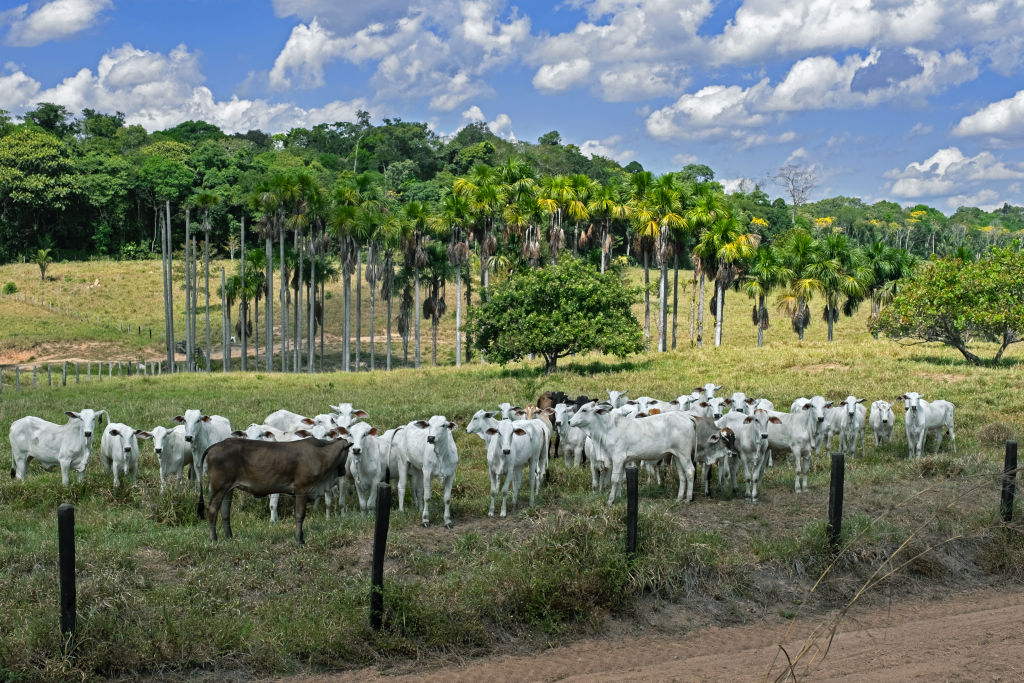
“Beef from cattle raised on deforested land would no longer be allowed on the EU market, while the hide of that same animal could still enter the EU as leather,” she added.
The rules also exclude several products, including soybean seeds, palm oil-derived products used for human and veterinary medicines, and palm oil waste that can be used as biofuel feedstock.
Parliament vetoes bid to strip soy biofuels of renewable status
MEPs on Wednesday voted to block legislation that could have prevented soy-based biofuels from counting…
3 minutes

New inclusions, as previously reported, include soluble coffee, palm oil-based soap and a range of oleochemicals. The new product categories will only apply from December 2027.
The delegated act can still be challenged by the European Parliament or the Council over the next two months.
The European Commission has also published new secondary legislation introducing tweaks to the EUDR’s information system, the platform through which companies must upload the geolocation data demonstrating that products were not produced on deforested land.
The changes simplify the procedure for smallholder farmers and foresters selling directly on the EU market without intermediaries. The IT platform returned online in June after months of technical updates.
Last year’s delay in the EUDR’s implementation was justified by the Commission on the grounds that the platform might not have been able to handle the necessary data volumes.
Despite the exclusions from its scope, Béatrice Wedeux, senior policy officer for forests at WWF, said the measures marked the end of the “legal and political uncertainty”.
“With clarity on the product scope and the IT system in place, there are no remaining excuses for delay: companies and Member States now have all the tools they need to move decisively towards full implementation,” she added.
(adm, aw)