
-
By Wu Liang-yi and Esme Yeh / Staff reporters
A public interest litigation system should promptly be established to assist people in seeking remedies amid a scare over cooking oil, the Consumers’ Foundation said yesterday.
Excessive levels of the carcinogen benzopyrene were detected in 1,300 tonnes of soy-based cooking oil produced by Central Union Oil Corp, with three companies — Taisun Enterprise Co, Fwusow Industry Co and Formosa Oilseed Processing Co — producing products using the batch that went onto shelves, the Food and Drug Administration (FDA) said.
Eighteen products were affected, including household cooking oil, and bulk 18l and 18kg containers supplied to restaurants, breakfast shops, street vendors, food processing plants and institutional catering providers, the FDA said.
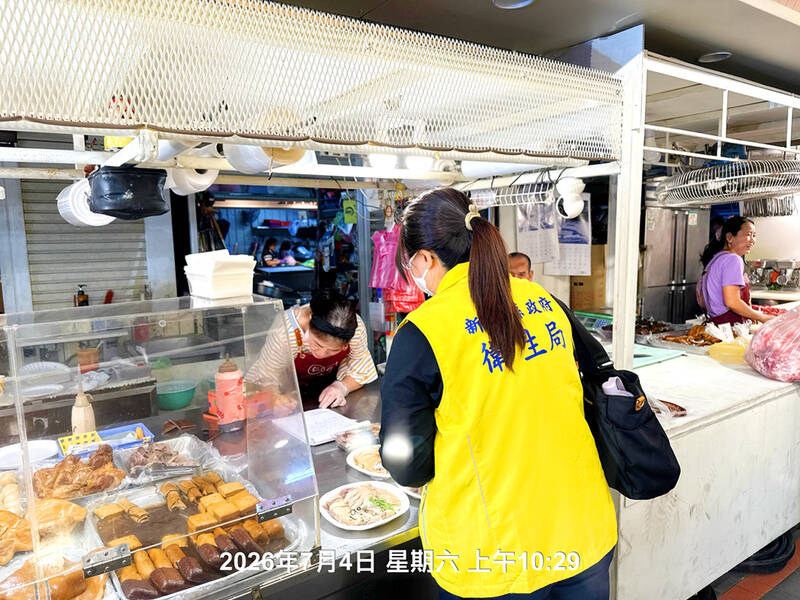
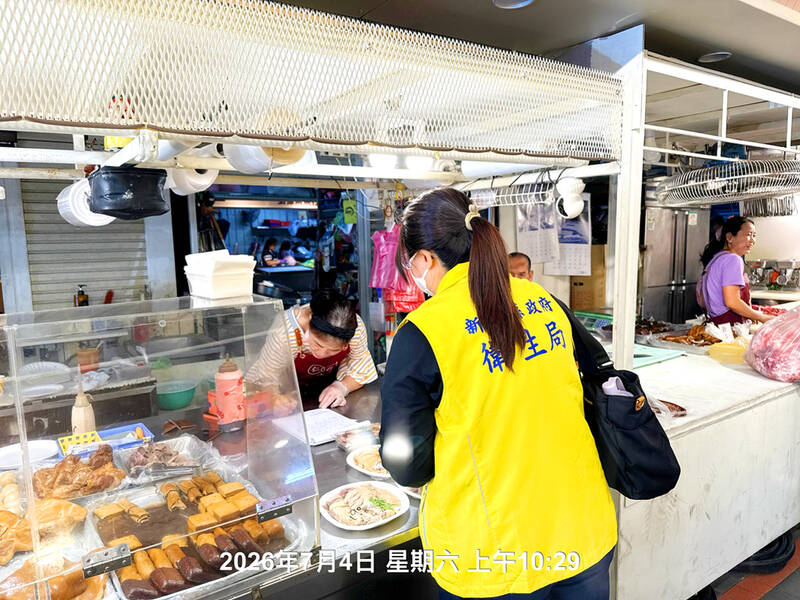
Photo: Screen grab from the Hsinchu County Government’s Web site
As of Friday, only 17.422 tonnes of the 1,300 tonnes had been accounted for in a recall effort, it said.
Over the past decade, major food safety incidents in Taiwan have often followed the same pattern: contaminated raw materials enter long, complex supply chains; products are widely distributed and consumed before the issue is discovered; it is difficult for consumers to prove they were affected; and the number of people who file compensation claims is far smaller than the actual number of people who are affected, the foundation said yesterday.
Moreover, there is often a significant gap between the social costs caused by companies involved in major food safety scandals and the legal responsibility they ultimately bear, it said.
This is especially true for bulk cooking oil used in the food service industry, which is more difficult to trace than packaged household products, it said.
Household cooking oil can be returned according to product packaging, batch numbers or purchase records, the foundation said.
However, consumers who eat out, can hardly provide evidence that they consumed a tainted product, it said, adding that it is the biggest blind spot in the consumer protection system.
Authorities should promptly complete the investigation of the latest incident, including a comprehensive analysis of the commercial and household distribution networks, it said.
Information on affected food products, restaurants and processing channels should be fully disclosed to protect consumers’ rights, it said.
A fast food traceability and information disclosure system should be established to help consumers promptly identify risks, it said.
The government should enhance upstream inspections and monitor supply chains, instead of relying excessively on self-inspections by food businesses, it added.
The Executive Yuan and the Legislative Yuan should swiftly amend the Consumer Protection Act (消費者保護法) to establish a public interest litigation system, it said.
The amended act should stipulate that in cases of major food safety incidents publicly announced by the authorities, consumer protection organizations can directly initiate legal action in their own name, it said.
That would mean people who are affected by tainted food would not be constrained by needing to individually file claims, the foundation said.
Prosecutors must investigate whether Article 49 of the Act Governing Food Safety and Sanitation (食品安全衛生管理法) was contravened in the Central Union Oil Corp situation, rather than merely imposing administrative fines, the foundation said.
The system must be reformed to increase the cost of corporate wrongdoing, so that an effective consumer protection mechanism can be established to pursue accountability and provide remedies, it said.