
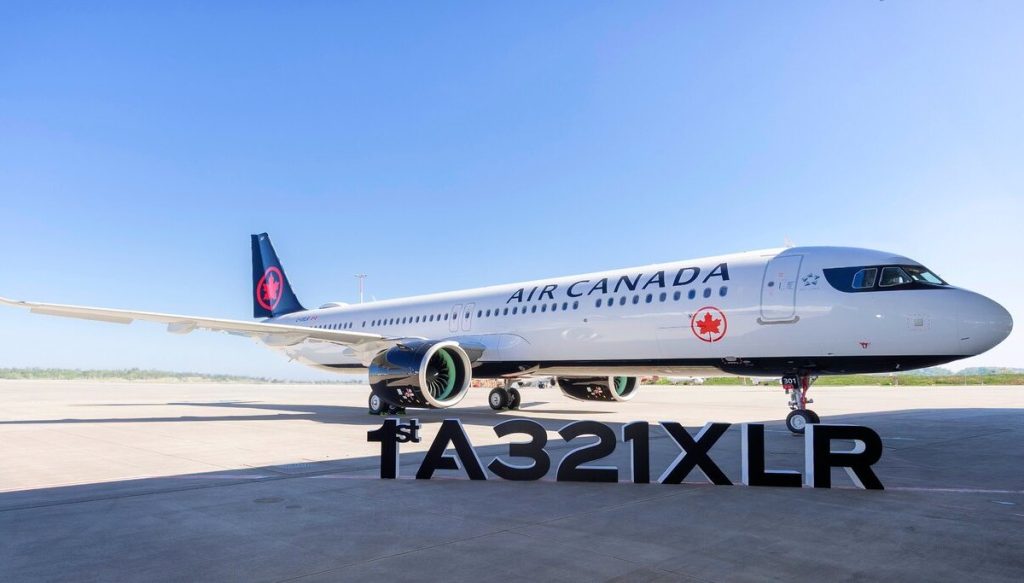
Air Canada has reached a major milestone in its fleet renewal. On April 24, 2026, the airline took delivery of its first Airbus A321XLR in Hamburg, Germany.
This next-generation single-aisle aircraft promises longer routes, better efficiency, and a premium passenger experience never seen before on this type of jet.
The A321XLR marks the start of big shift for the airline. Air Canada will add 30 of these aircraft to its fleet over the coming years. Fifteen are leased from SMBC Aviation Capital, and fifteen are purchased directly from Airbus. The first aircraft arrived on lease, setting the stage for rapid network expansion.
Why the A321XLR Changes Everything for Air Canada
Unlike older single-aisle jets, the A321XLR flies farther while using less fuel. It delivers a quieter, more comfortable cabin. Mark Galardo, Executive Vice President and Chief Commercial Officer at Air Canada, says the aircraft “greatly expand[s] our flexibility to launch new international routes and improve our offering on existing markets.”
The plane will soon operate transatlantic flights from Montréal and Toronto. It will also serve key North American transcontinental routes. This flexibility helps Air Canada adjust to seasonal demand and open new city pairs that were not practical before.

Signature Class Comfort Comes to a Single-Aisle Jet
Passengers will notice the difference immediately. Air Canada introduces its new “Glowing Heart” cabin standard on the A321XLR. The design draws inspiration from the Canadian landscape and focuses on calm, comfort, and connectivity.
Every seat offers personal device power outlets. Aeroplan members enjoy fast, free Wi-Fi. Next-generation in-flight entertainment screens are larger and support Bluetooth audio. Thoughtful finishes create a warm, high-quality feel throughout the cabin.
Most excitingly, the A321XLR brings Air Canada Signature Class to a single-aisle aircraft for the first time. Fourteen lie-flat seats give business travellers true long-haul comfort. No other Canadian airline offers this product on a narrowbody jet.

SMBC Aviation Capital’s Chief Commercial Officer, Barry Flannery, called the delivery “delightful” and praised the aircraft’s ability to elevate customer experience while supporting global expansion.
Airbus EVP Sales Benoît de Saint-Exupéry highlighted the A321XLR’s lower fuel burn and CO₂ emissions. He noted that the jet will help Air Canada unlock ambitious new routes with “unprecedented efficiency.”
Part of a Larger Fleet Modernization Plan
The A321XLR fits into Air Canada’s multi-year strategy to modernize its fleet. The airline continues to receive Canadian-built Airbus A220s, with 23 more on order. Future deliveries include eight Airbus A350-1000s starting in 2030 and 14 Boeing 787-10 Dreamliners.
Five Boeing 737 MAX aircraft arrived on lease earlier in 2026. Together, these investments improve operational resilience, cut fuel use, and raise the onboard experience for every passenger.

Looking Ahead
After Transport Canada certification, the A321XLR will enter service progressively. Passengers can expect more direct flights, lie-flat beds on longer routes, and modern amenities that make flying more enjoyable.
Air Canada’s flagship carrier status and Star Alliance membership already connect travellers to more than 180 airports worldwide. The new aircraft will open even more non-stop options while keeping costs and emissions in check.
This delivery signals a clear message: Air Canada is investing in the future. With the Airbus A321XLR, the airline combines efficiency, range, and premium comfort in one powerful package. Travellers flying across the Atlantic or North America will soon enjoy a noticeably better flight experience.