

The CEO of Malaysian gaming giant Genting Berhad says the company did not pursue a voluntary takeover of subsidiary Genting Malaysia in order to take it private.
Tan Kong Han, Genting’s CEO, President and Executive Director, provided an update on the group’s moves during its Annual General Meeting, adding that the purpose of the offer was simply to ensure it held a controlling stake in Genting Malaysia due to the opportunity the subsidiary’s receipt of a full commercial gaming license in downstate New York presented.
As previously reported by Inside Asian Gaming, Genting Bhd lifted its interest in Genting Malaysia from 49.36% before the offer to 73.13% at close in early December, and has since raised that even further to 73.838% via on-market purchases. Privatization becomes an option should Genting’s stake reach 75%.
However, according to a report in Chinese-language news outlet Sin Chew Daily, Tan denied such motive when pressed by shareholders last week.
“In any official announcement of the Genting Group’s Voluntary Takeover Offer, including the documents and the offer notice, you will not find the word ‘privatization’,” he said.
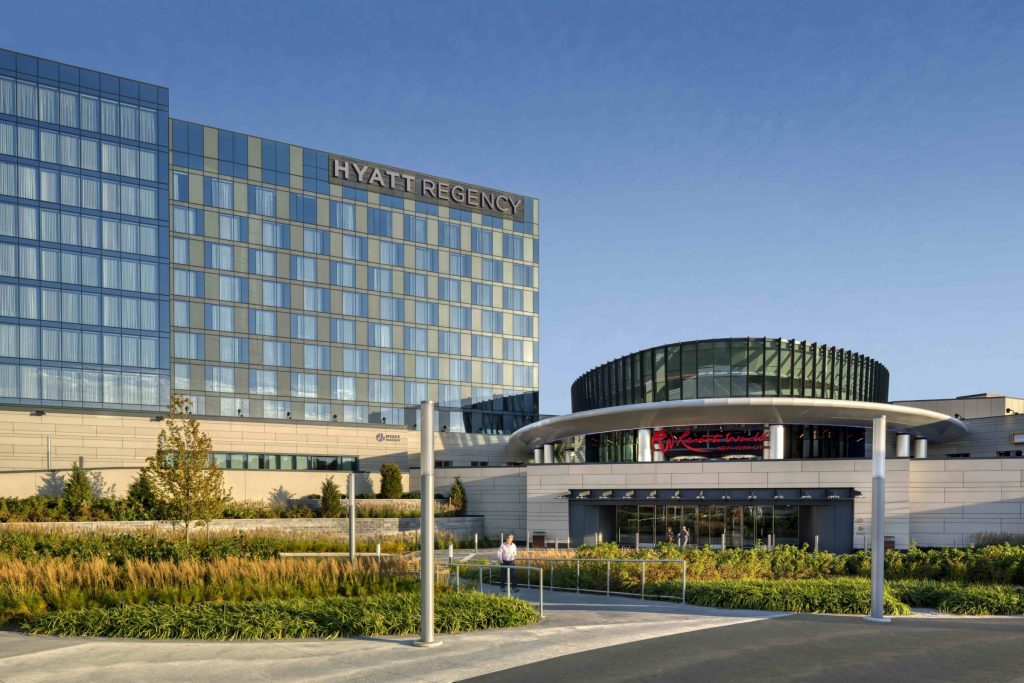
Tan further explained that the offer was designed to ensure the group controls Genting Malaysia due to the likelihood of Resorts World New York City becoming the group’s main earnings driver.
“Currently, Genting consolidates Genting Malaysia’s financials into the group’s balance sheet through a management agreement,” he continued.
“However, with the progression of the New York project in the United States, and under an exchange rate conversion of approximately MYR4 to US$1, New York’s future performance will soon surpass that of Genting Highlands [in Malaysia].
“Since we do not have a management agreement for the New York project, once its performance exceeds Genting Highlands, accounting standards dictate that Genting Group will no longer be able to consolidate Genting Malaysia’s financial statements. This would result in a very drastic change across the entire balance sheet. Therefore, management had to take action.”
Tan also addressed the group’s current 73.838% stake in Genting Malaysia, describing this as a good position to be in.
“It is a time to pause and rethink what can be done next,” he said. “We have the capability to advance the plan to the next stage within a year.”
Notably, Malaysian listing rules prevent companies from purchasing any more than 2% of another listed company in the 12 months following a lapsed offer, although Genting Bhd needed to acquire only 1.87% more following closure of its offer to reach 75% ownership.
Investment bank Nomura explained in a recent note that should Genting achieve its 75% target, it would have to convene a shareholder meeting and make a reasonable cash or alternative offer to the remaining holders. There is also no guarantee this would be successful because if minority shareholders are not satisfied, the delisting bid can be defeated should more than 10% of shareholders object.
Genting Bhd revealed in October that it plans to delist Genting Malaysia either by gaining statutory control, effective at 75% ownership, or compulsory acquisition should ownership reach 94.94% – a level that fell well short during the takeover offer period.